by Marina Hassapopoulou
Some dominant narratives position synthetic media as introducing an entirely new problem. What this framing obscures is that unauthorized uses of people’s likenesses and intellectual property long predate generative AI. Deepfakes have accelerated these harms and made them more visible, but they are ultimately a tool for perpetuating broader systemic issues.
The NO FAKES Act (a.k.a. Nurture Originals, Foster Art and Keep Entertainment Safe Act) overcame a significant legislative hurdle this week. On June 18, 2026, the Senate Judiciary Committee voted unanimously to advance a federal bill that would ban unauthorized digital replicas of a person’s likeness and AI-powered voice cloning. The bill now heads to a full Senate vote with strong support from diverse stakeholders including: major music labels and music production companies, movie studios, streaming platforms, entertainment unions and even some tech giants. The process seems to be moving in the right direction, though there is already criticism that the bill at its current version could import many of the worst features of the DMCA notice-and-takedown system and restrict freedom of expression (see for instance this article & this one). At first I thought that passing the NO FAKES Act this might even help finally ethically tackle some of the grey legal areas regarding IP carried over from the remix era to the new and even more polarizing AI remix era. But instead, those grey areas seem to become even more convoluted, at least from just reading some of the first reactions and proposed revisions to the NO FAKES Act.
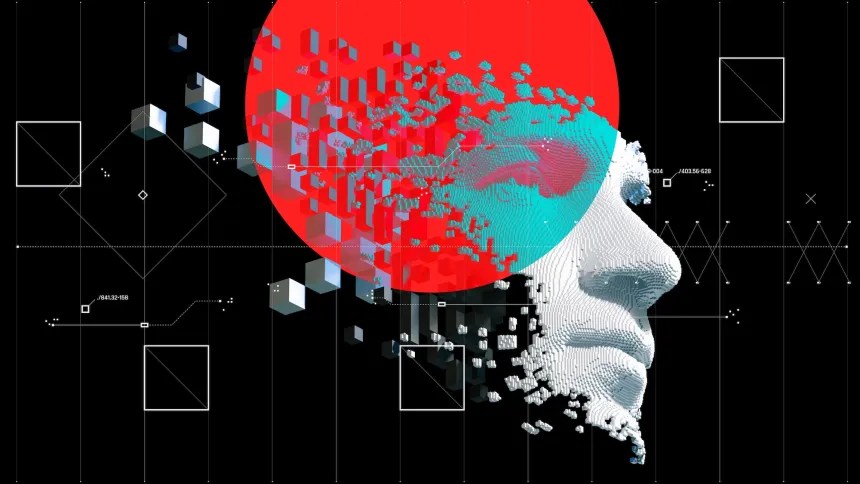
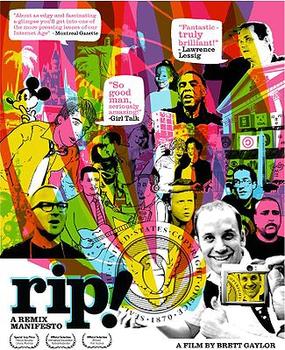
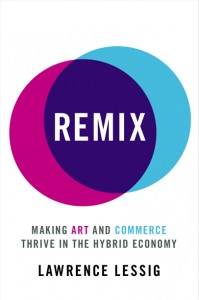
Nevertheless, the protections the bill proposes address a legal gap that exposes how the law is always behind technological and sociocultural developments. As just one case study from turn-of-the-century, I am reminded of Brett Gaylor’s RiP! A Remix Manifesto (2008+), Lawrence Lessig’s Remix: Making Art and Commerce Thrive in the Hybrid Economy (2008), and corresponding opposing views that re-ignited the copy-left and copy-right wars? The point that carries over from those debates to the deepfake era is that repurposing copyright laws for older media is insufficient and slippery when it comes to regulating the nuances and ethics of synthetic media. Nonconsensual deepfakes cause real harms, and this tends to affect in a larger proportion women, LGBTQ+ individuals, and people of color. According to the RIAA, the majority of Americans (approx. 92%) now worry about deepfakes’ impact on culture and authenticity.
Other countries are also scrambling to regulate synthetic media, and – from looking at the global landscape of proposed regulation – there is no singular consensus as to how to treat deepfakes, particularly as they intersect with debates on the ethics of creativity and specifically the IP (intellectual property – yet another endless maze) that AI models are trained on. Some approaches are harm-focused and more tied to sexual violence (e.g., “revenge porn”) specifically (e.g., the US TAKE IT DOWN Act, 2025-26, the UK Online Safety Act, 2023, and Japan’s criminalization of nonconsensual intimate imagery). The second harkens back to ancient laws over territory in its property-based focus: for instance, Denmark’s proposal of granting citizens copyright-like ownership over their face, body, and voice, and Tennessee’s ELVIS Act – two initiatives that are parallel to the NO FAKES Act’s likeness-as-property framework. The third model is transparency-centered: the EU AI Act mandates disclosure and watermarking of AI content, while China requires both visible and invisible metadata on AI-generated material, and South Korea’s AI Basic Act requires the labeling of content that could be mistaken for real.
The limitations to some of these frameworks – or, at least, in how the media sensationalize them – have to do with the assumption that the main issue with deepfakes is illegibility – meaning, that synthetic media become harmful when audiences cannot distinguish them from the real (let’s not get into a philosophical debate about what is “real” anyways or we will get endlessly and existentially sidetracked). In practice, though, this gets more complicated because the issues extend to areas of consent, impersonation, fraud, and IP rights – to mention just a few.
Some dominant narratives tend to position deepfake technology as a new problem: the non-consensual use of someone’s likeness. What this framing obscures is that the problem did not begin and will not end with deepfakes, and we must treat the technology as simply a tool for perpetuating long-standing issues. Synthetic media inherited, accelerated, and brought to the surface the ongoing crisis of image- and voice-based exploitation. What might be new is that it is now also happening to people whose likenesses have historically been presumed protectable. And those people have more power to be heard. (Although, we could easily also argue that the image of public figures has always been subject to media scrutiny and exploitation – there are many layers to this). And to clarify: this is a case about social visibility and political power, not about whose suffering matters more.
A Longer History of Appropriating Likeness
This is not a digression, it’s an extension of the timeline of deepfake conversation.
Pre-pandemic, I was speaking about deepfakes as though they were already good enough to pass as “real” because it didn’t matter to me that the technology was not there yet, what mattered was the intent. (see, for instance two of the first AI-centered events I participated in pre-pandemic, “Artificial Intelligence, the Popular Imaginary, and New Inequalities” and An[0]ther {AI} in Art summit: Decolonizing Artificial Intelligence and the Future of Art Making). Human beings, especially those operating under capitalism, have a tendency of taking something potentially good and turning it into something perverted and exploitative (not any of my readers, of course) – I wrote about poverty porn and dark tourism in VR a bit before the AI scholarly boom, for instance in this article.
Non-consensual image capturing has happened throughout film history and has continued into digital and social media, not to mention also in print media, advertising, and so on. Images were reproduced, altered, and circulated in unauthorized ways for as long as the technology to do so existed (not sure if we can go back to cave paintings and ancient statues, but let’s say from the inception of photographic media at least) [1]. And of course, this has helped enforce existing social hierarchies and further marginalize and commodify Black and Indigenous bodies, and female and queer bodies in particular. The law of likeness has been discriminatory by default, and it’s only when the issue is affecting a larger portion of the population and a mainstream demographic, that attention is finally shifting. But the question of who gets to control and own their own image has never been neutral or straightforward, especially for particular demographics.
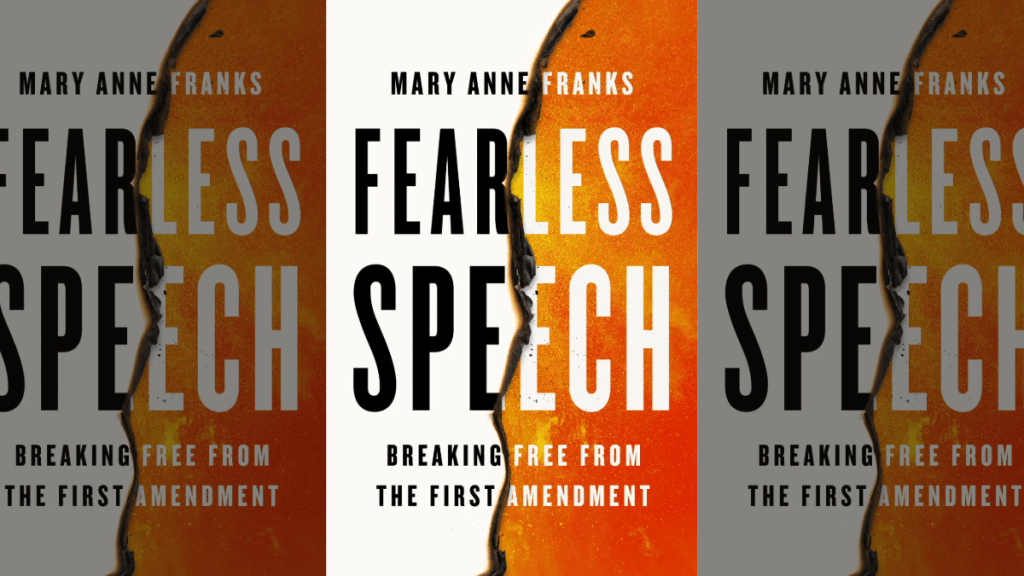
Before AI had become such a force to be reckoned with, activists including legal scholar Mary Anne Franks have argued that nonconsensual image-based abuse was systematically under-addressed in legislation because its primary victims were female, and because image-based harm was not yet understood as a form of sexual violence. [2] Now, with lower barriers to entry for creating fake media and a larger portion of the population being affected (including celebrities, politicians, and other public figures), the issue is finally getting more traction.
Sci-fi is not fiction: it’s a future predictor or, at best, a warning.
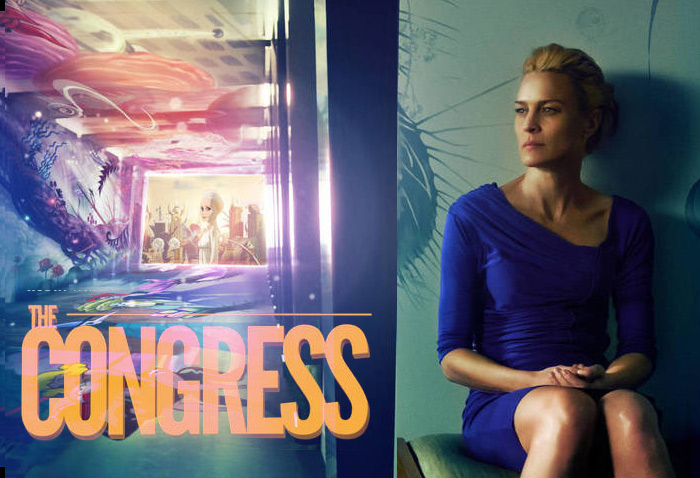
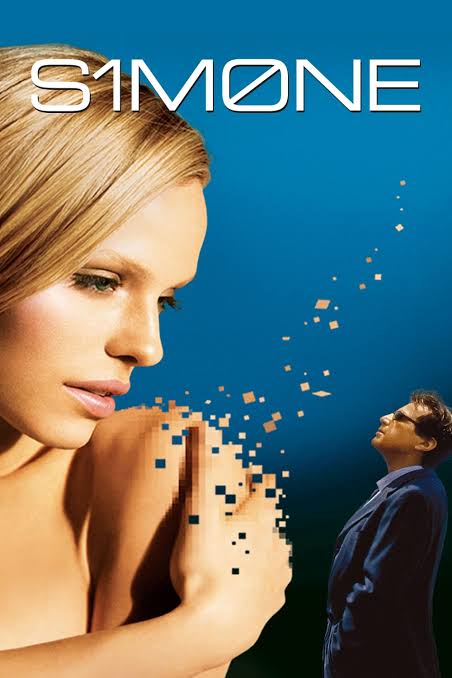
Looking back on films like Ari Folman’s The Congress (2013) and Andrew Niccol’s S1m0ne (2002), the ethical questions were being asked before deepfakes became a worldwide phenomenon. The Congress is about an aging (by Hollywood standards) actress who sells her digital likeness to a studio and surrenders control of her image as it increasingly becomes repurposed, mass produced, and ultimately altered beyond her recognition. S1m0ne seduces us with a fully synthetic actress that exposes the arbitrariness and elusive nature of authenticity itself. These are just two films worth revisiting because they remind us that the crisis was never technologically-induced (though technologically-amplified); it was about ownership, identity politics, and the paradox of a derivative authenticity that can only be manifested through — or grappled with — social performativity.
F for (Deep) Fake: Surpassing Indexical Concerns about the Real through Experimental AI Documentaries
*sidenote: I had come up with what I thought was a clever pun for a conference talk title before I even came up with the topic I wanted to talk about. Thankfully, it all came together and allowed me to retain my historically informed approach to tech ethics.
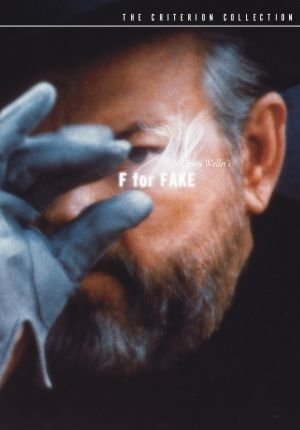
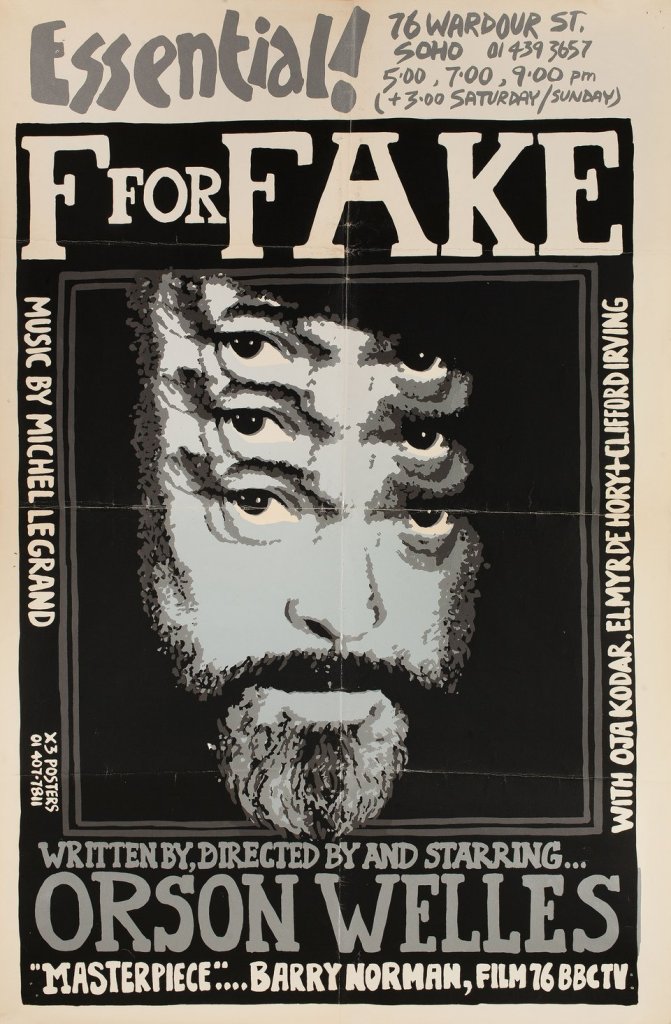
The title is a reference to Orson Welles’ appropriately unfinished docudrama, F for Fake (1973), that focuses on the tenuous distinction between truth and illusion through an examination of art and forgery, ultimately questioning whether authenticity even truly matters. Several decades and techno-ontological breakthroughs later, similar debates on the real vs. fake still persist, but this time around also include human creativity (as “real”) and AI-generated works (as alleged “forgery”), simplistically put.
But what the activist documentary works that have emerged around deepfake technology reveal is an underlying and more complicated issue: sometimes, when to other options are offered, mainstream tools can be used for visibility and survival. This is not a support for deepfakes, it is about absence of protection and systemic inequality.
In contexts where consent, safety, or identity are at stake, synthetic representation can become a protective strategy rather than an exploitative one. Just a few examples that usually come to my mind when discussing this topic, where technology is turned on its head and used in ways that empower rather than oppress (or, in addition to oppressing):
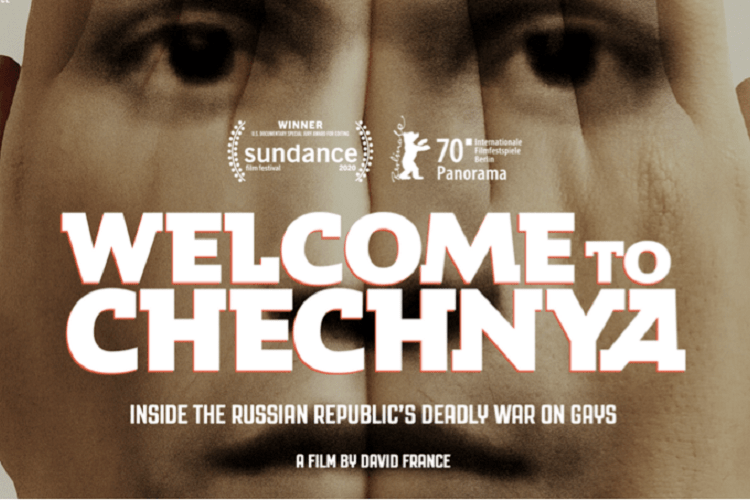
The documentary Welcome to Chechnya (David France, 2020) used deepfake technology to protect the identities of LGBTQ+ activists facing state-sanctioned violence and thus preserve their testimony without the fear of persecution. This is not deepfakes “for good”: it is a forced improvisational necessity used in the absence of protection.
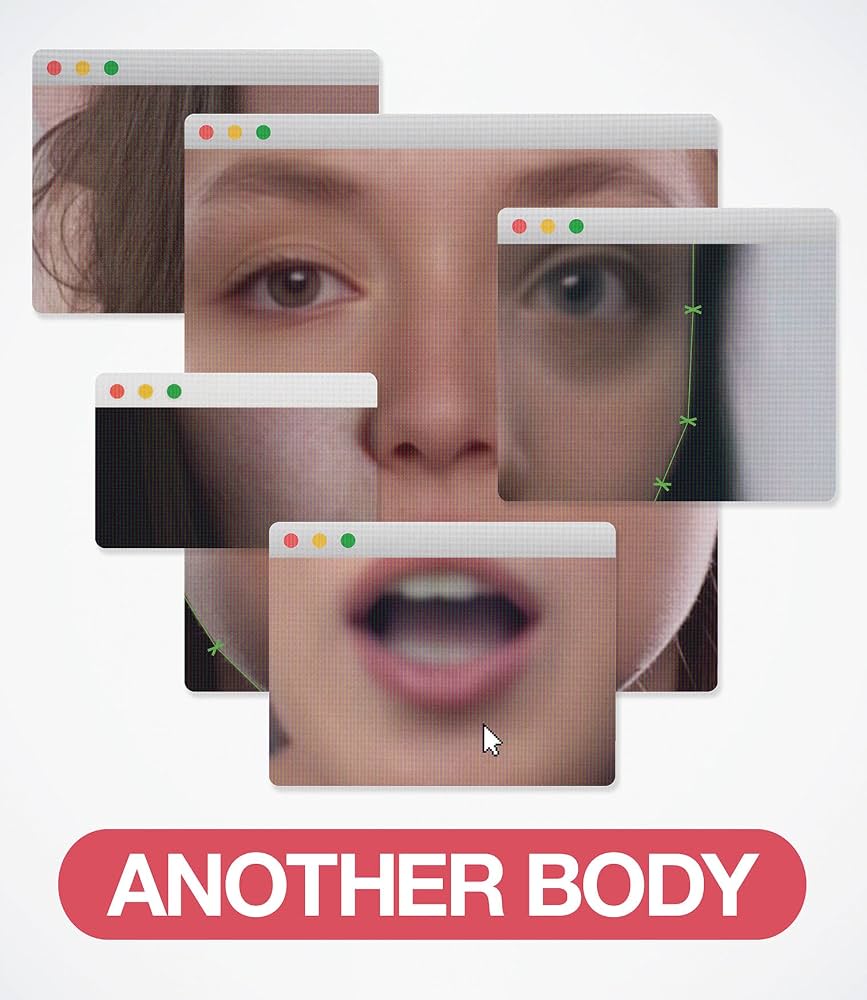
In a different register but similarly exposing the lack of protection for marginalized bodies, Another Body (Sophie Compton and Reuben Hamlyn, 2023) centers on women victimized by nonconsensual deepfake porn and uses the same technology to protect their identities on camera. The deliberately very realistic deepfake aesthetics of the documentary amplify the argument that survivors of deepfake porn had to use the technology that was used to violate them because they had no other option to tell their story and advocate for stricter regulations.
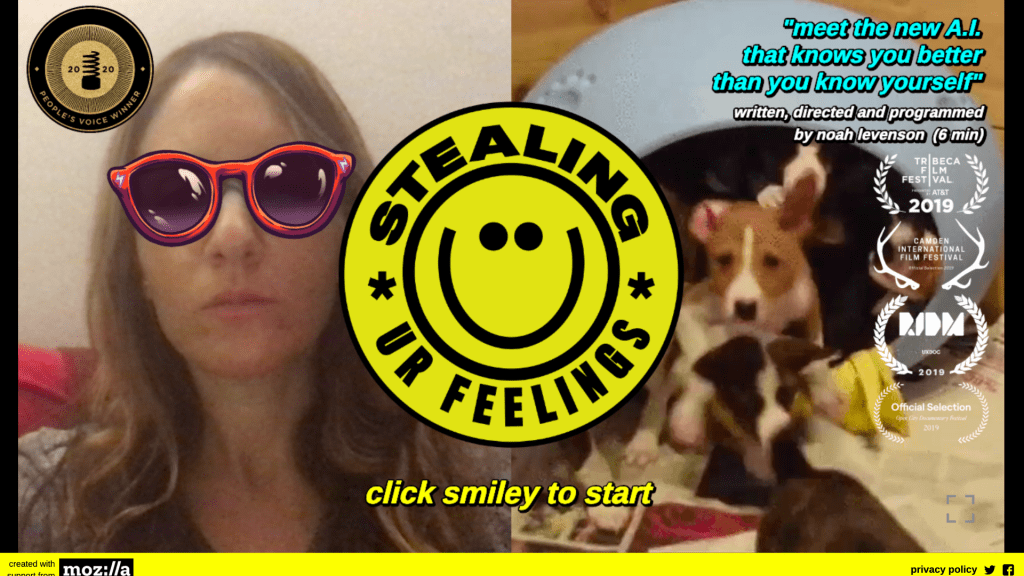
Noah Levenson’s Mozilla Foundation project, Stealing UR Feelings (2019) <click to access> extends the critique in a different direction, toward exposure. The interactive augmented reality work turns AI algorithms back on its audience by revealing in real time how social media platforms extract and monetize their users’ emotional data without their consent. Kate Crawford’s work on AI’s political economy, for instance, has shown how these systems reduce the body to data, and facial expression becomes a resource to be captured without active consent. More recently, I wrote a post on LinkedIN about the nature of participation in AI systems:
Participation in AI systems is becoming increasingly PASSIVE, often occurring without much active awareness or consent. Taking control of your data is becoming an ethical issue more so than a technical one. Recent discussions around Gmail, AI agents, and model training have raised broader concerns about what kinds of personal information are being processed, retained, or used to personalize AI systems. Part of the issue is that these systems are no longer confined to standalone platforms. They are increasingly multimodal (“smarter” = more invasive) and embedded into tools people already use every day, making participation feel passive and difficult to track. In many cases, the relevant settings to limit the use of data mining for AI training and advertising technically exist, but remain buried within layers of personalization, activity, and “smart feature” menus. What interests me here is not only the privacy issue itself, but how normalized this model of passive participation has become. AI is no longer simply a tool we choose to use. It is increasingly becoming part of the infrastructural background of communication, search, memory, and everyday workflow. Taking control of one’s data now requires a level of attention, constant vigilance, and literacy that many platforms are not designed to encourage.
Stealing UR Feelings uses the same algorithmic logic in order to expose it. I have used this project as an example to talk about privacy and tech ethics with my students, and I find it more effective because it is less “preachy” and more experientially immersive (face it or not, we are building silos and opinion bubbles when we only preach to the choir). We need different forms of activism and different tactics for raising public awareness than only alarmist campaigns.
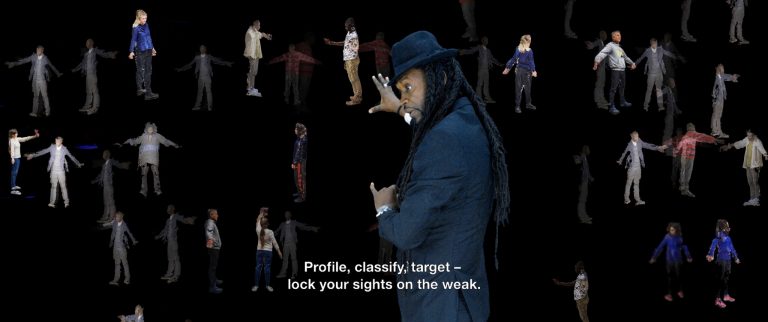
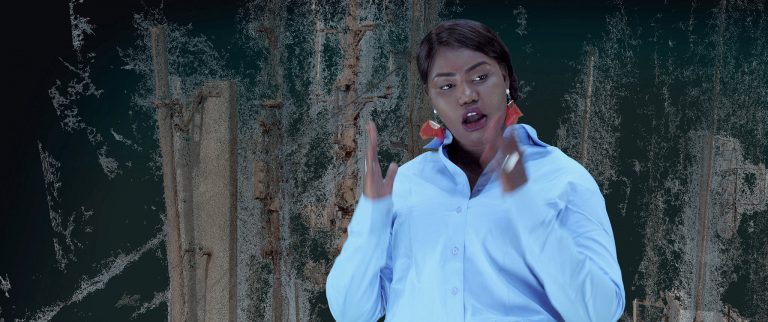
We also need different tools, aesthetics, and hybrid techniques to make arguments – take for example Manu Luksch’s Algo-Rhythm (2019), where the artist makes a compelling case for a new visual language to communicate both age-old and tech-related concerns. Algo-Rhythm develops a hybrid narrative form that brings together traditional filmmaking with photogrammetry and volumetric filmmaking to scrutinize the errors, limitations, and abuses of algorithmic representations. In a <previous post,> I also mentioned Nettrice Gaskins’ experimentation with then-new corporate AI tools such as Google’s Deep Dream generator to extend her techno-vernacular approach to creativity and center the African experience and black history within systems that typically oppress them.
These works DO NOT argue for deepfake technology (I have to say it louder for those that only read anything AI-related in black or white, no pun intended). In a way, they accept the world in which this technology exists and they impact it from the inside (sometimes the only choice there is), using its own logic to undo its ideology.
Back to the NO FAKES Act:
The NO FAKES Act is a step in the right direction in acknowledging that a patchwork of state laws designed for a different era is inadequate and even harmful. But the conceptual assumption built into the bill that what needs protecting is an “original” likeness — based on fixed identity, individuality, and ownability — needs more scrutiny. While this assumption works well for public figures and celebrities whose “original” work is commercially legible, it is probably less effective for communities including those referenced in the works above for whom improvised anonymity was the only protection available. The issue becomes even more complicated when we consider that the industries that are now fighting back were built on appropriation themselves.
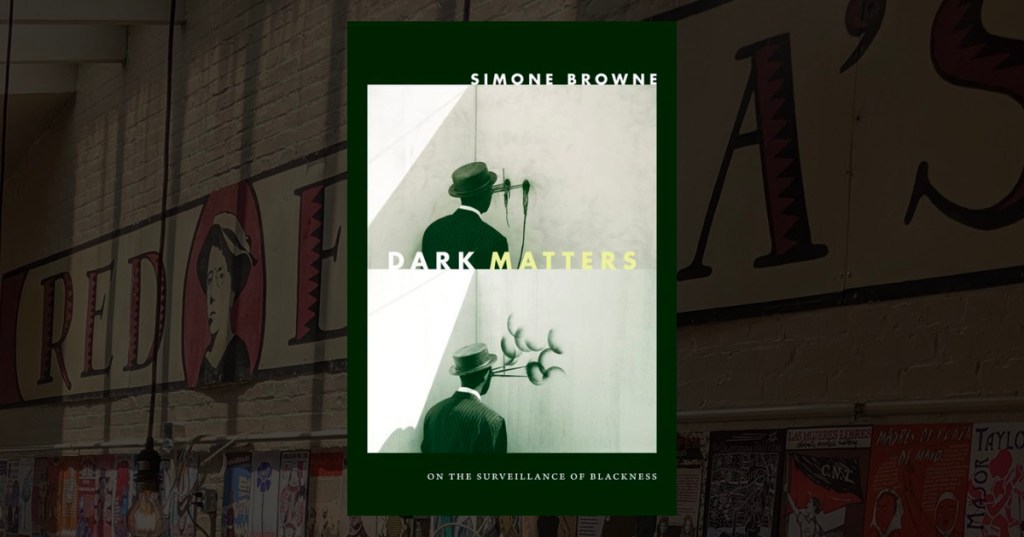
Let’s use music as an obvious example: there is a long history of genres innovated by Black Americans, such as jazz and blues in the late 19th-early 20th centuries, that segregation and systemic racism allowed the white-dominated music industry to popularize, sanitize, and financially profit off these sounds while the original creators were pushed into obscurity (sorry, the industry behind musicians like Elvis was complicit, I don’t care what Baz Luhrmann’s version alleges – quick reference >> here). Simone Browne’s work on the surveillance of Blackness is another example that reminds us that the history of replicating, controlling, and tracking bodies through image technologies is not a new phenomenon but an aspect foundational to systems of racial capitalism that has operated the most violently on those the law simultaneously fails to protect. As these histories show, a framework that protects likeness as property will inevitably protect the interests of some more than others.
An implicit hierarchy of who is worth protecting — and whose interests are most deemed worthy of protecting — is certainly not a reason to oppose the NO FAKES Act, but a reason to notice other areas where not just legislation but [esp. capitalist] societies at large are exclusionary and hierarchical by default. An adequate regulatory framework for synthetic media governance has to take social justice into consideration and not only ask whose likeness and IP need protecting, but also who was already unprotected long before the technology arrived.
TL;DR: Deepfakes make more visible a structure of image-based exploitation that long predates the technology. The difference is that now this system is becoming intolerable to the majority, but for minorities it has always already been intolerable. The alternative histories of deepfakes (that I barely scratched the surface of in this post) is not meant to complicate the case for legal protection but, rather, to extend it. We should not just protect intellectual property (let’s not get into “what’s an original thought anyway?” that still echoes from the remix debates), but also the conditions under which anyone can control the meaning of their own image and, by extension, their work. The NO FAKES Act is a necessary initiative (if sufficiently revised), but also not enough. In other words, an adequate regulatory framework for synthetic media governance has to take social justice into consideration and not only ask whose likeness and IP need protecting, but also who was already unprotected long before the technology arrived.
**This post contains updated thoughts and new insights (on occasion of participating in a panel on deepfakes for Digital Hollywood) on AI from my public talks, conferences, publications, and class lectures — please cite if using **
Notes
- The uneven history of image rights across race, gender, and indigeneity has been extensively documented in critical race, postcolonial, and feminist media studies. I am deliberately starting with past century references to make a point of the longer histories I am alluding to. See, for example, Shohat and Stam’s Unthinking Eurocentrism: Multiculturalism and the Media (1994), Saidiya Hartman’s Scenes of Subjection: Terror, Slavery, and Self-Making in Nineteenth-Century America (1997), Vine Deloria Jr.’s Custer Died for Your Sins: An Indian Manifesto (1969), and Kim TallBear’s more recent work on Indigenous data sovereignty, and also Rosemary Coombe’s The Cultural Life of Intellectual Properties (1998).
- See, for instance, Franks’ works: The Cult of the Constitution (2019), “Unwilling Avatars: Idealism and Discrimination in Cyberspace” (2011), and her activist work in the field of nonconsensual pornography legislation.
- Atlas of AI: Power, Politics, and the Planetary Costs of Artificial Intelligence (2021), especially the chapter on affect recognition and the corporate capture of emotional data. See also her article with Trevor Paglen, “Excavating AI: The Politics of Images in Machine Learning Training Sets” (2021).
- Simone Browne’s Dark Matters: On the Surveillance of Blackness (2015) goes as far back as the lantern laws of 18th century New York to more contemporary biometric systems to historicize her arguments on racial capitalism.
Header image: Gloria Mendoza / https://betterimagesofai.org / https://creativecommons.org/licenses/by/4.0/ Visual description: A man showing mental distress from constant exposure to harmful content online. His family, in the background, progressively disappears. | More info about the history behind the image: https://betterimagesofai.org/images?artist=GloriaMendoza&title=TheInvisibleLaborBehindContentModeration
 Expressive AI
Leave a comment