by Marina Hassapopoulou
Antagonists from different eras show us that there have always been—and there always will be—other ways to imagine and construct our technological future.
An animated rotating digital hand flips you off as you are about to enter the Antagonistas: Resistências Algorítmicas [Antagonists: Algorithmic Resistances] exhibition at the Museu de Arte Contemporânea da Universidade de São Paulo [Museum of Contemporary Art at the University of São Paulo]. This defiant artwork by Regina Silveira (Una Vez Más, 2012) — something you would not normally encounter in a museum — sets the powerful tone for the rest of the exhibition that defies institutional norms and questions “proper” curatorial etiquette.
One of the most compelling aspects of Antagonistas: Resistências Algorítmicas is that it refuses the myth that algorithmic resistance began with computational/ digital tools and, even less so, with current generative AI. At a moment when public discourse around artificial intelligence is increasingly dominated by corporate narratives of inevitability and accelerated innovation, the exhibition instead insists on emphasizing paths of artistic disruption of technological determinism. Collectively, Antagonistas reminds us that many of today’s debates around surveillance, systemic inequalities, participation gaps, and technological asymmetry have much deeper creative and sociopolitical genealogies. To me, this is a continuation of important curatorial work that aims to subvert existing power structures (including those operating within the art world and academia) such as the powerful Code Switch: Distributing Blackness, Reprogramming Internet Art exhibition curated by Legacy Russell (to name just one of many).
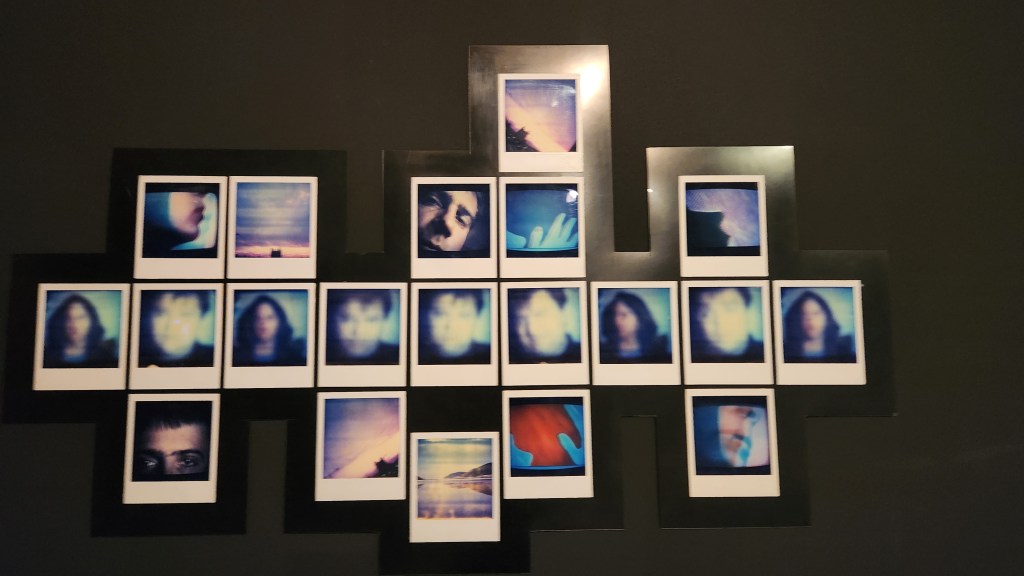
The subversive and rebellious spirit of the exhibition — or, more strongly, exposition — profoundly resonates with the mission of ExpressiveAI.net, which advocates for the inclusion of the arts and humanities in critical conversations and decisions surrounding emerging technologies. Much contemporary AI discourse remains haunted by the kind of technological presentism that Antagonistas heavily critiques: systems that are framed as radically unprecedented while longer traditions that shaped them often recede from view. Yet artists, activists, and marginalized communities have long grappled with technological systems that organize visibility, consolidate power, regulate communication, and hierarchize sociocultural participation and civic engagement.
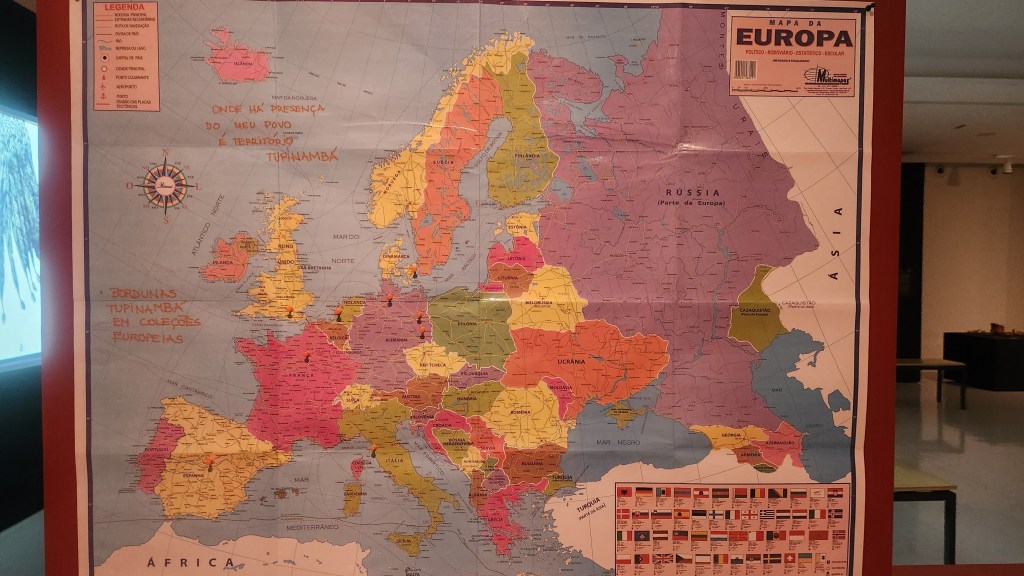
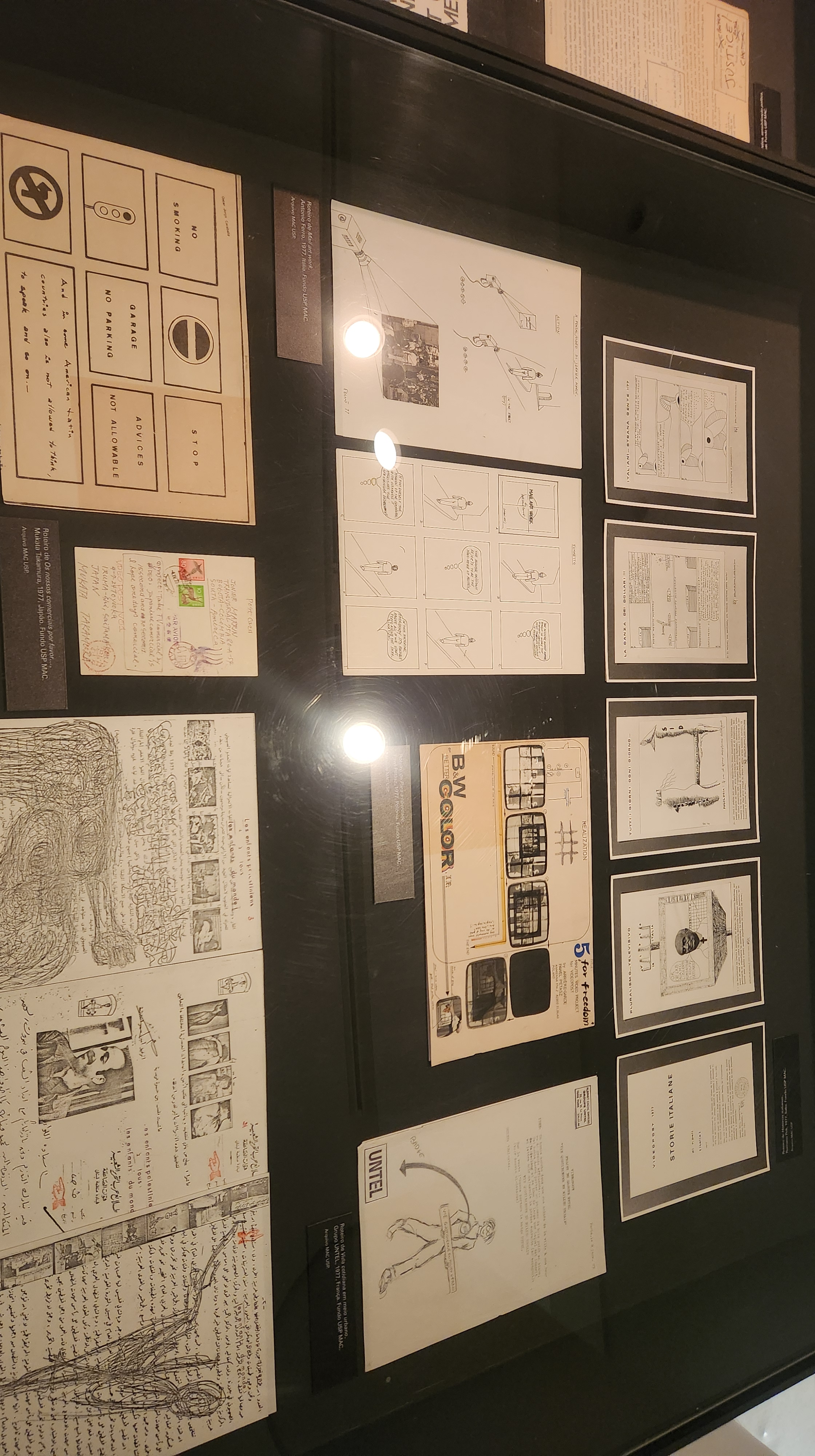
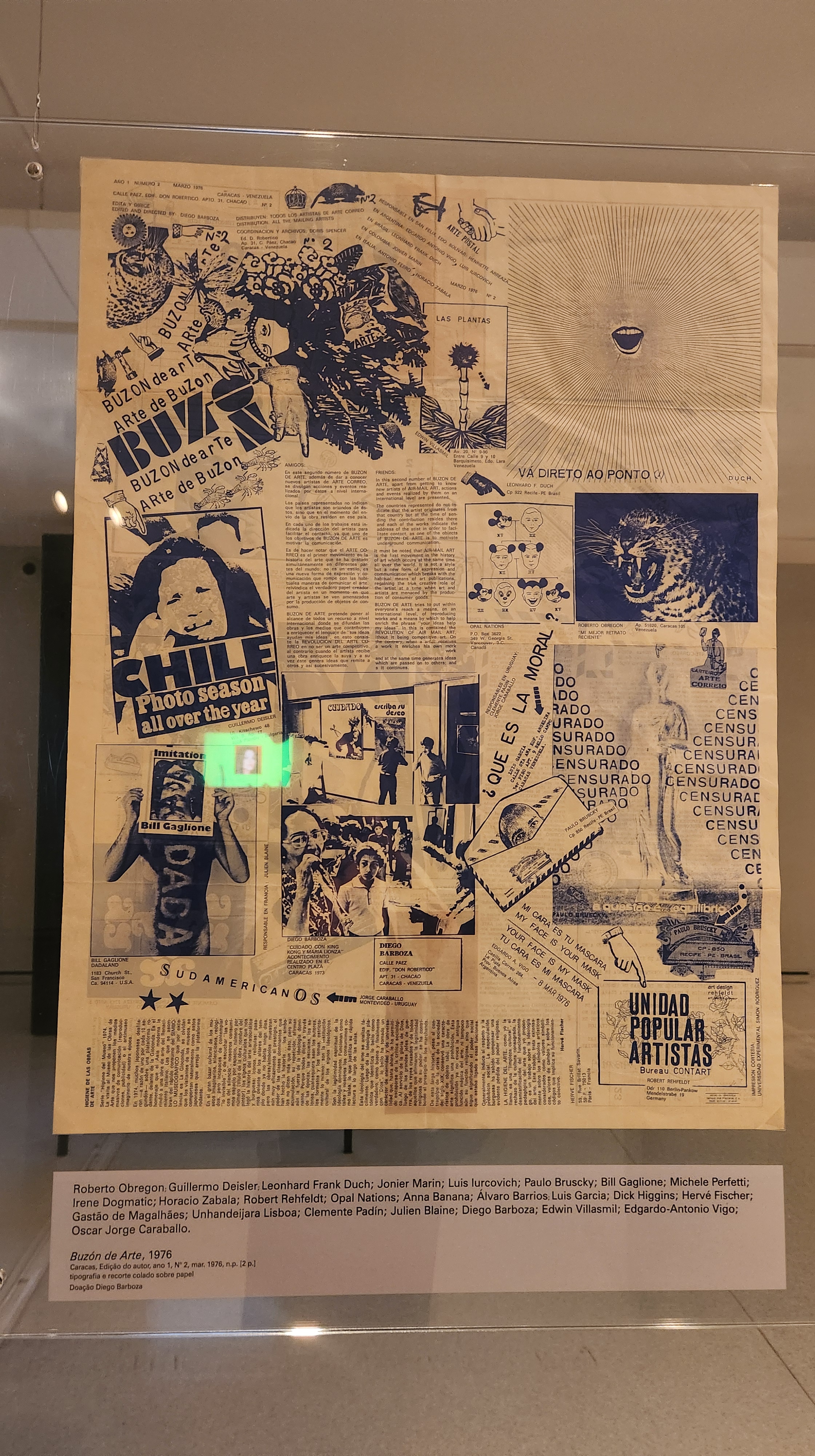
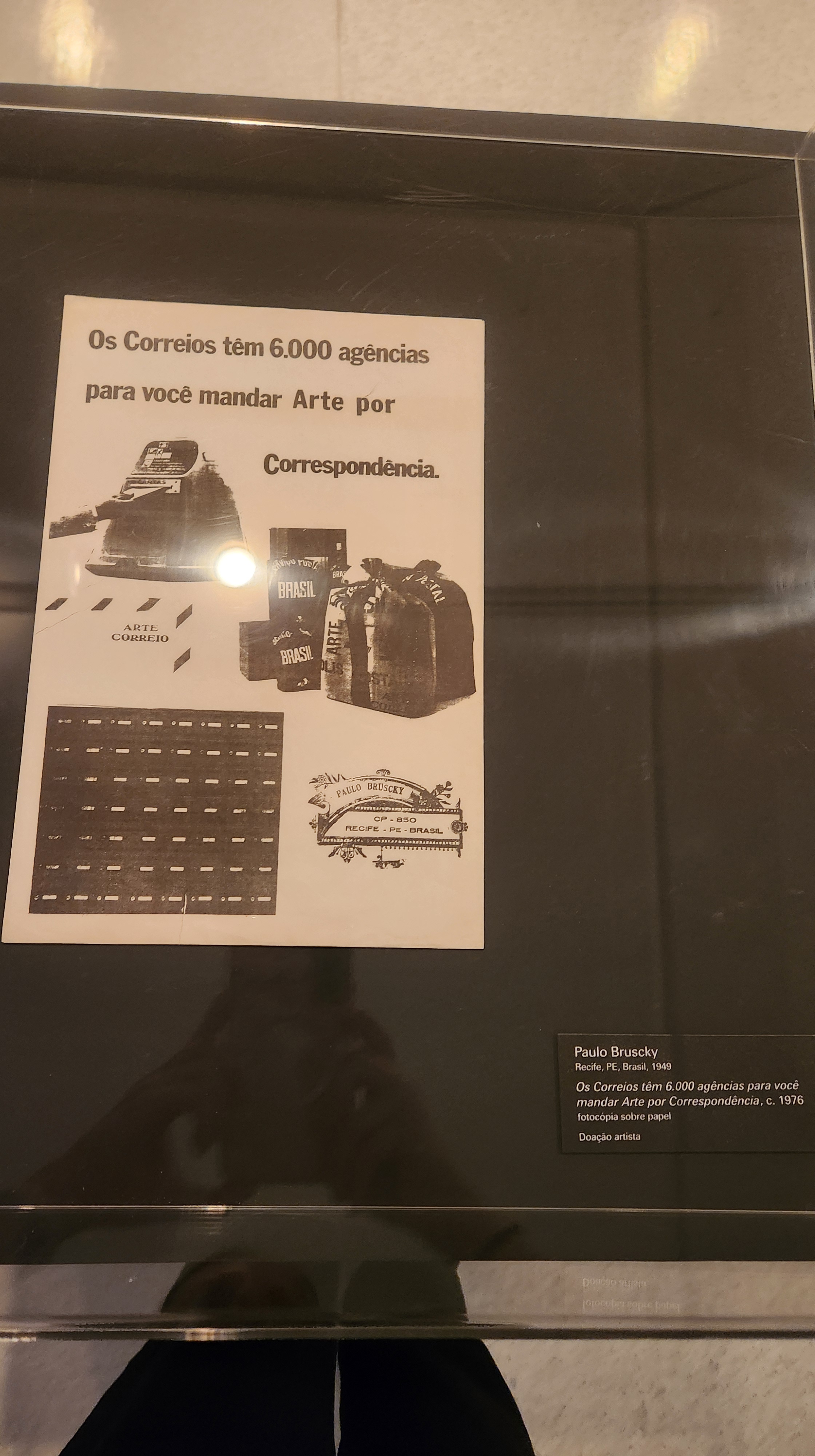
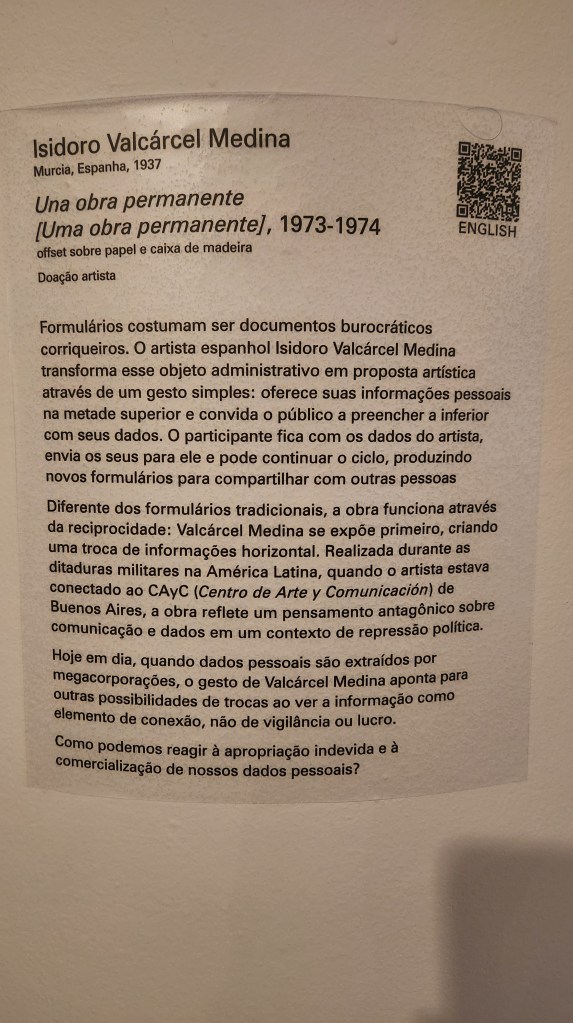
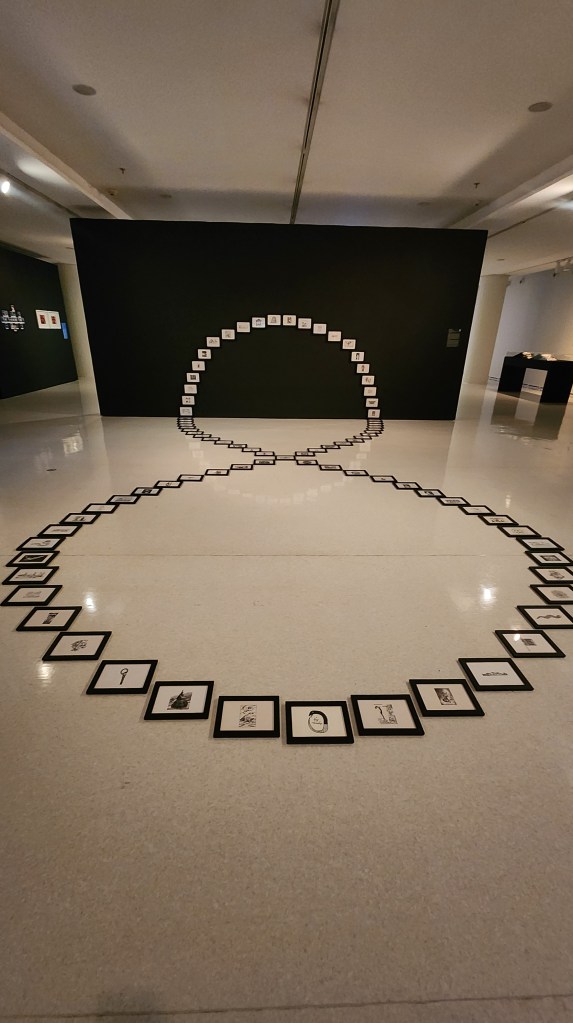
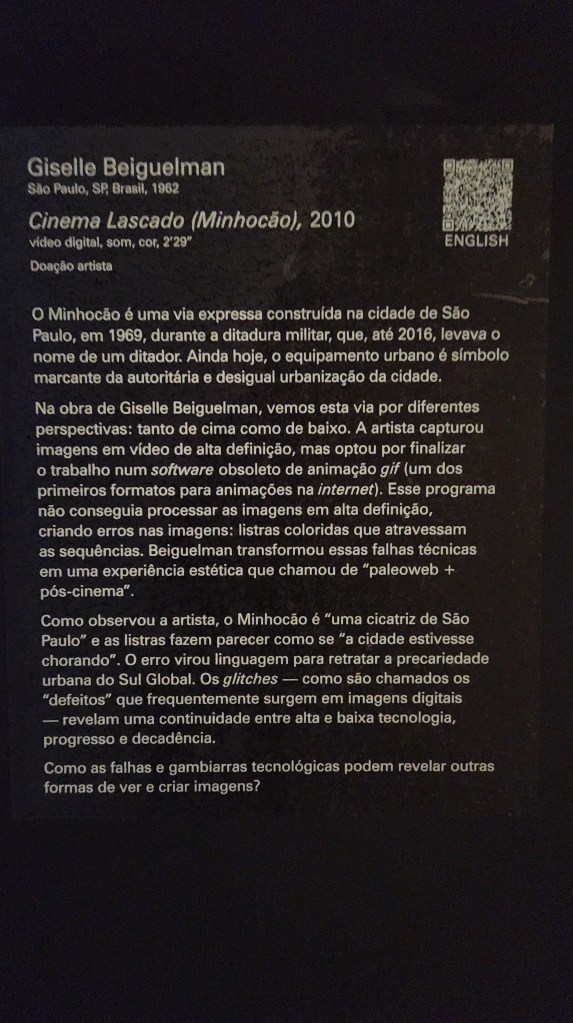
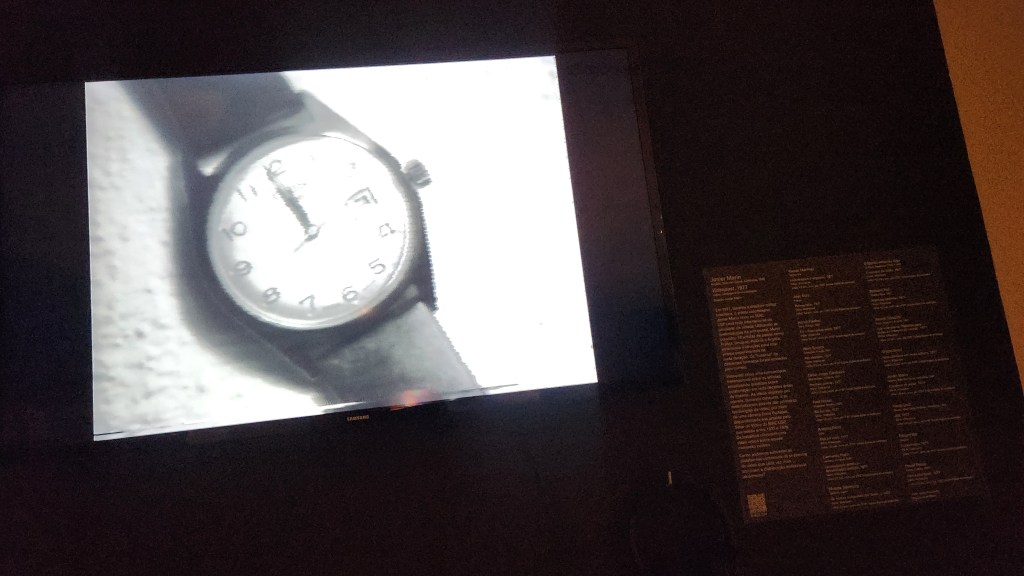
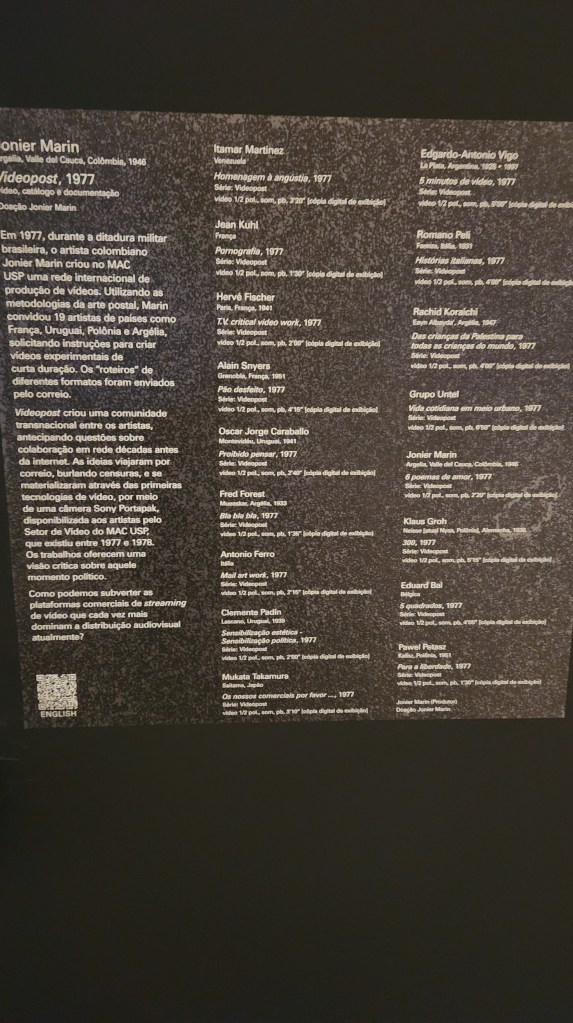
What Antagonistas demonstrates so powerfully is that artistic resistance historically emerges wherever technological systems consolidate forms of control. The exhibition traces how artists have historically and consistently responded to infrastructures that exclude, monitor, extract, or suppress alternative forms of expression. During the Latin American dictatorships of the 1970s, for instance, artists mobilized postal networks to create dissident circuits of communication and circulation outside dominant channels of authority. These practices were not merely aesthetic gestures: they constituted alternative infrastructures of relational dynamics, survival mechanisms, and politicized imaginaries.
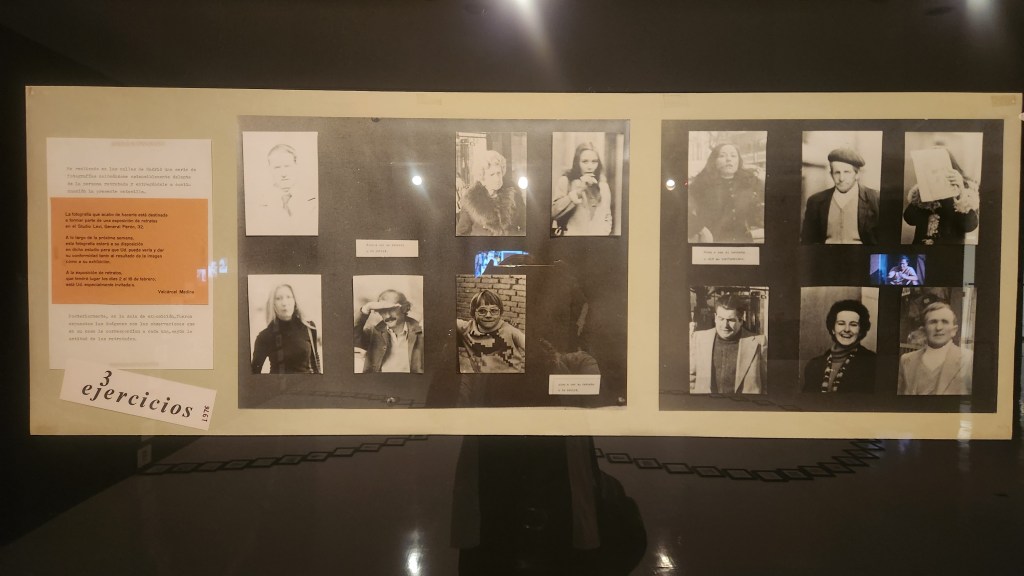
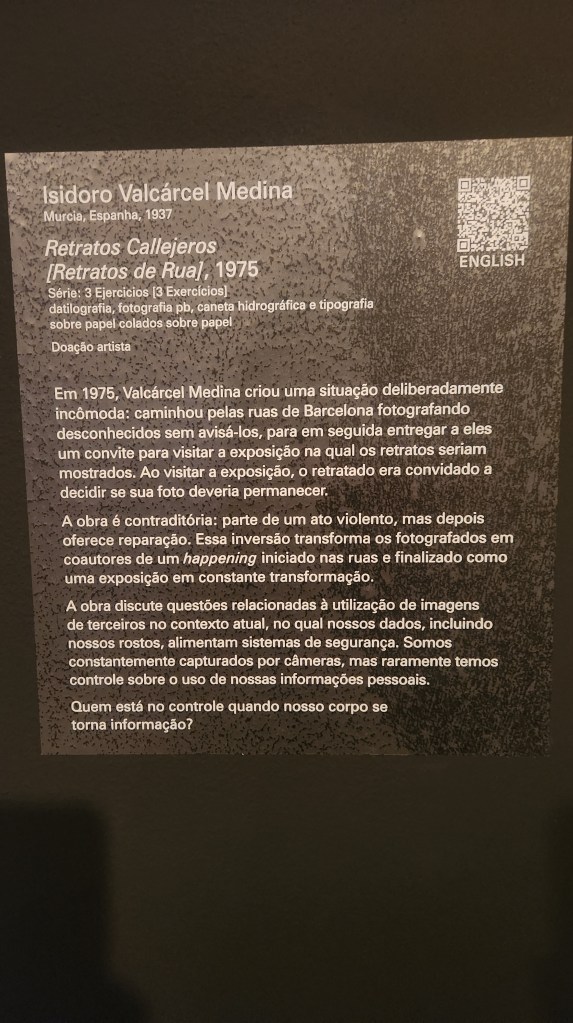
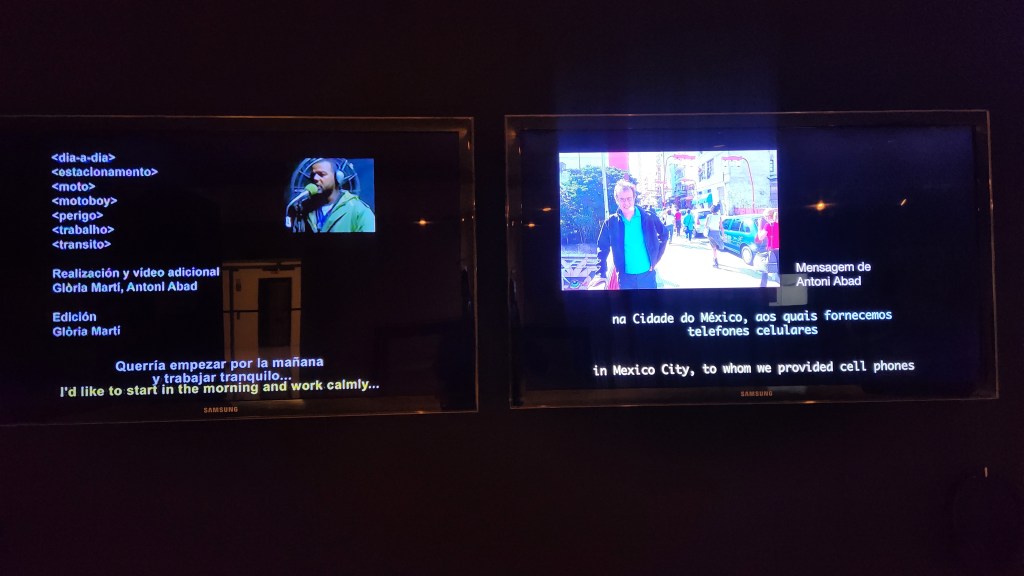
Today, in increasingly datafied and platformized digital environments, artists continue to identify cracks within dominant systems to carve out spaces for inclusion, expression, subversion, and resistance. Faced with opaque algorithmic governance, extractive platform economies, and systemic surveillance, many contemporary artistic practices reclaim archives, images, interfaces, and data as sites of contestation. Rather than passively accepting technological systems as neutral or inevitable, these works expose their underlying assumptions, exclusions, and hierarchies.
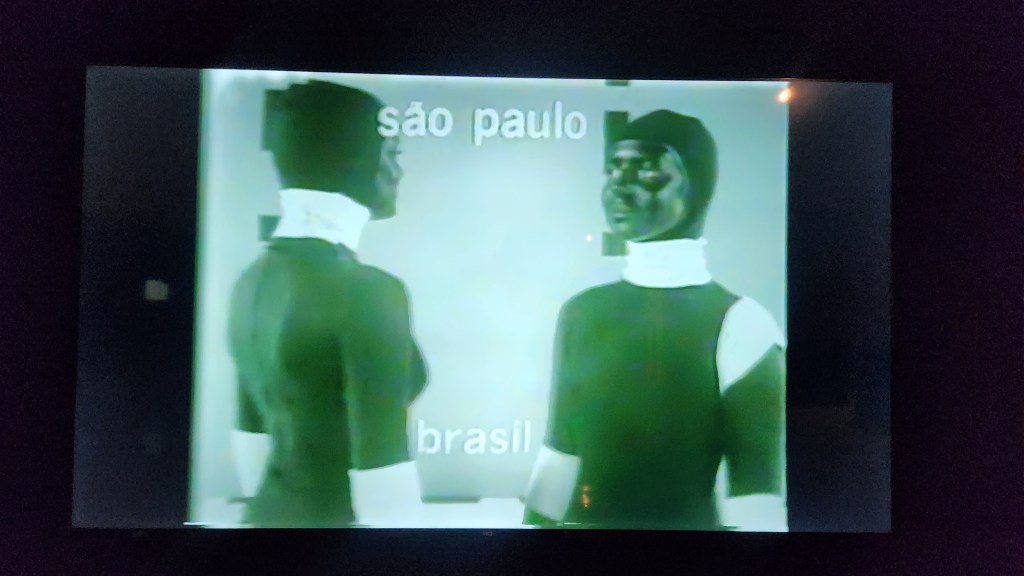
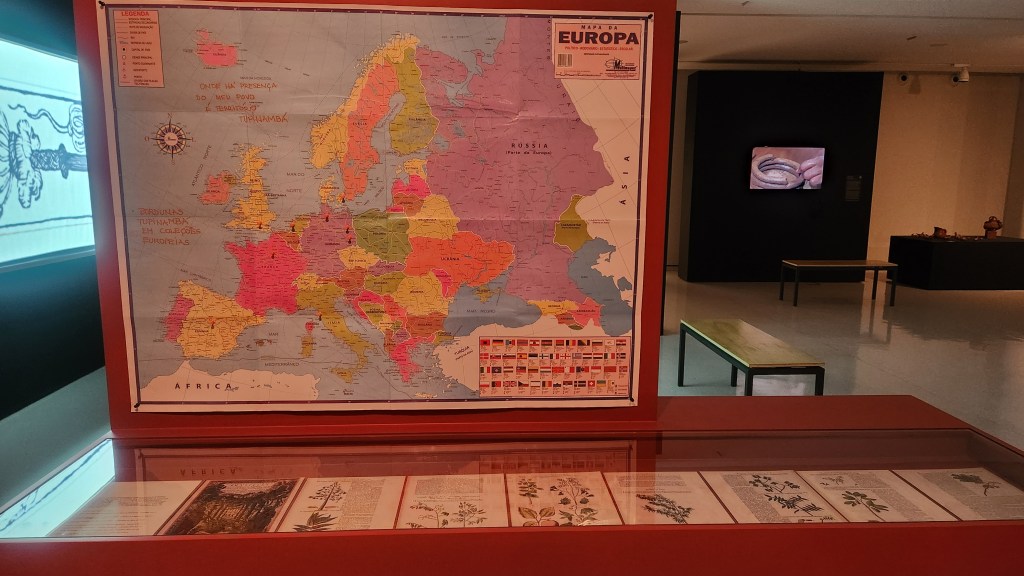
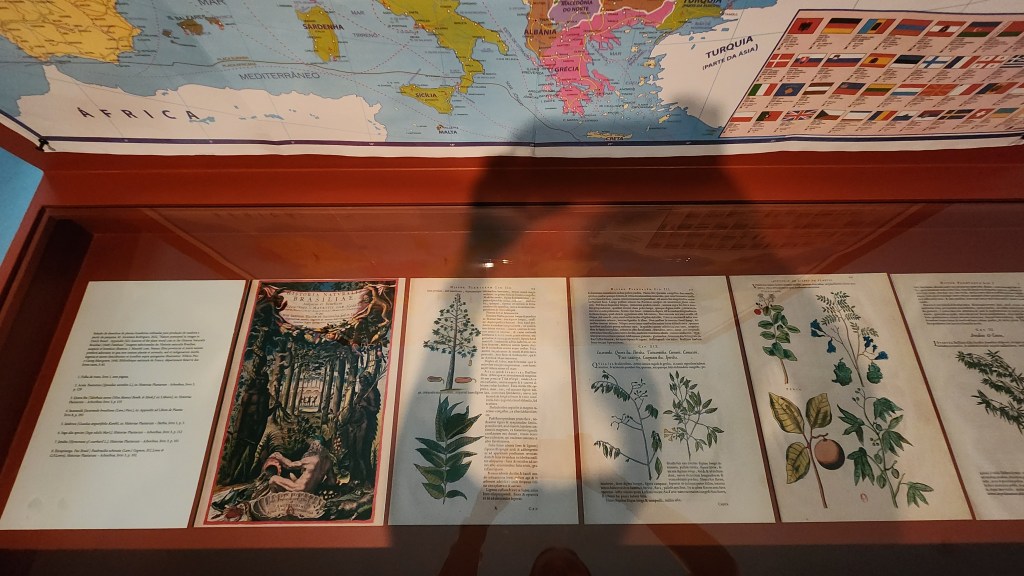
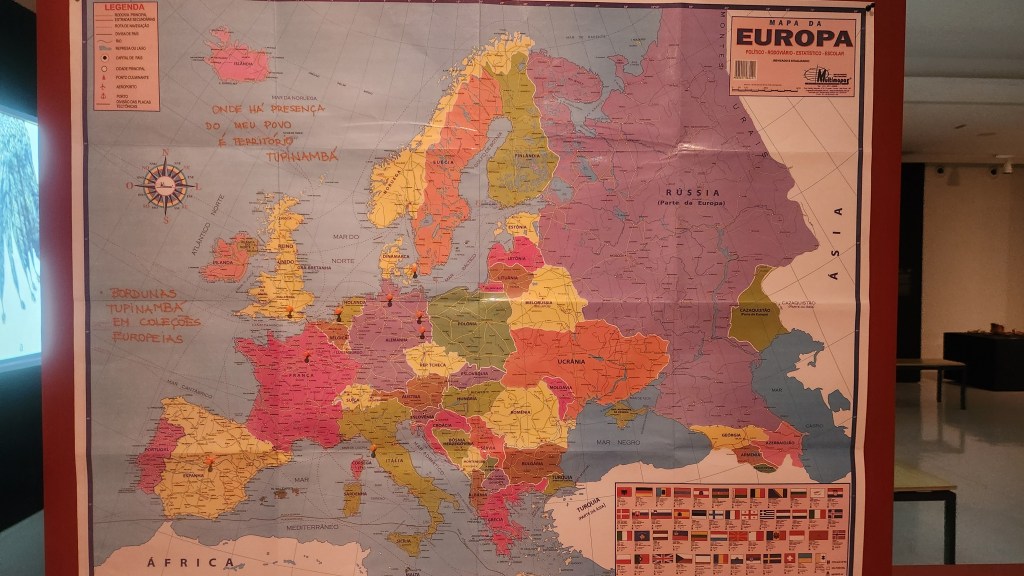
Importantly, the exhibition resists the assumption that technological futures must emerge from the same epistemological frameworks that produced today’s extractive platform economies. By foregrounding Indigenous cosmologies and alternative modes of relation, Antagonistas gestures toward technological imaginaries grounded not in optimization and accumulation, but in reciprocity, situated knowledge, collective continuity, and relational forms of existence that exceed dominant Western technological logics. In doing so, the exhibition expands resistance beyond critique alone, opening space for alternative (and hopefully soon-to-be normative) ways of imagining technological life itself.
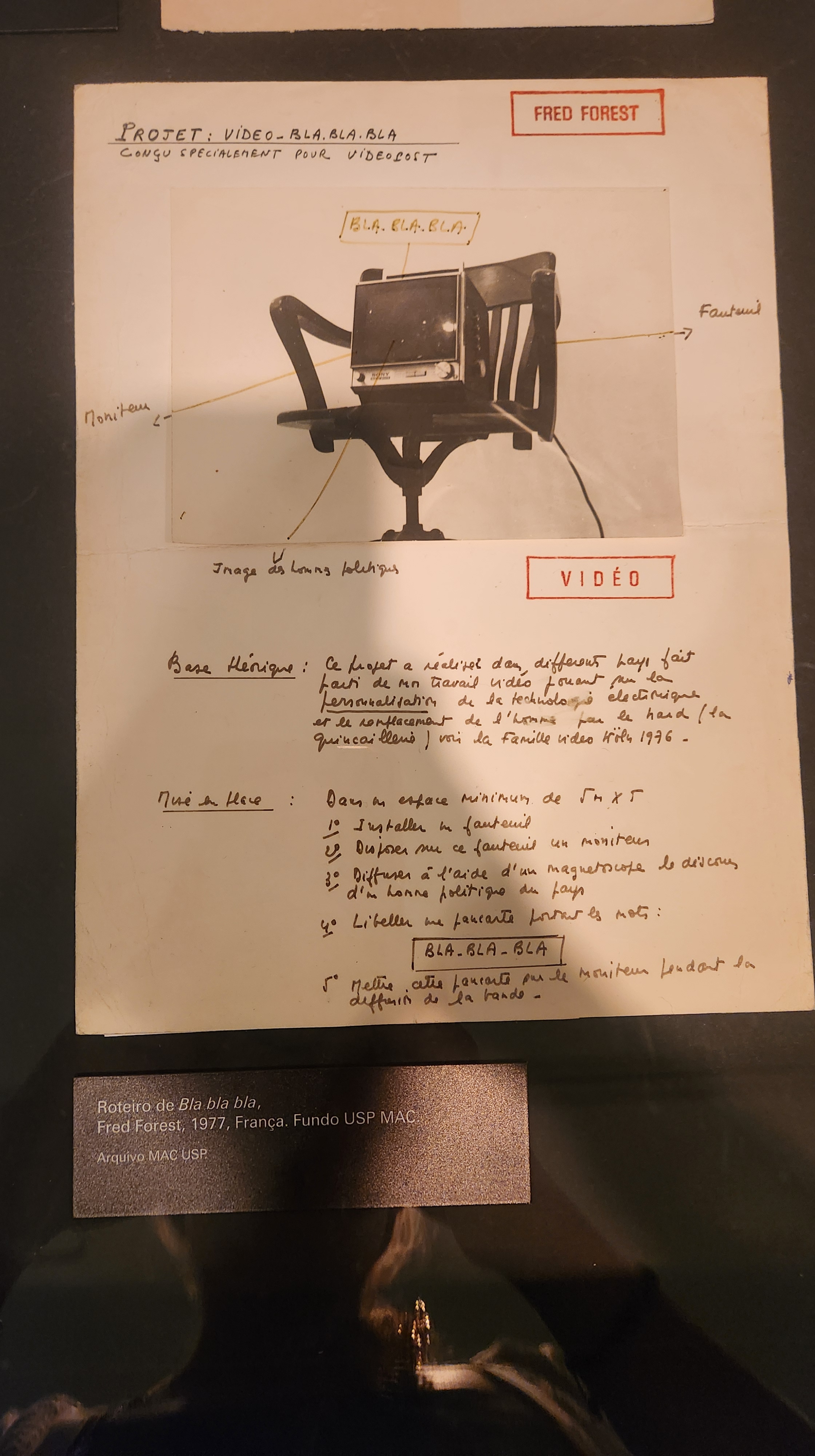
This is precisely why the arts and humanities remain indispensable to conversations surrounding AI and emerging technologies. Artists are not simply “users” of technological systems; they often function as early detectors of their social, ethical, and political implications. Long before issues surrounding data extraction, algorithmic bias, platform monopolies, and surveillance entered mainstream discourse, artistic practices were already interrogating infrastructures of control and experimenting with alternative modes of participation, circulation, and collective imagination.
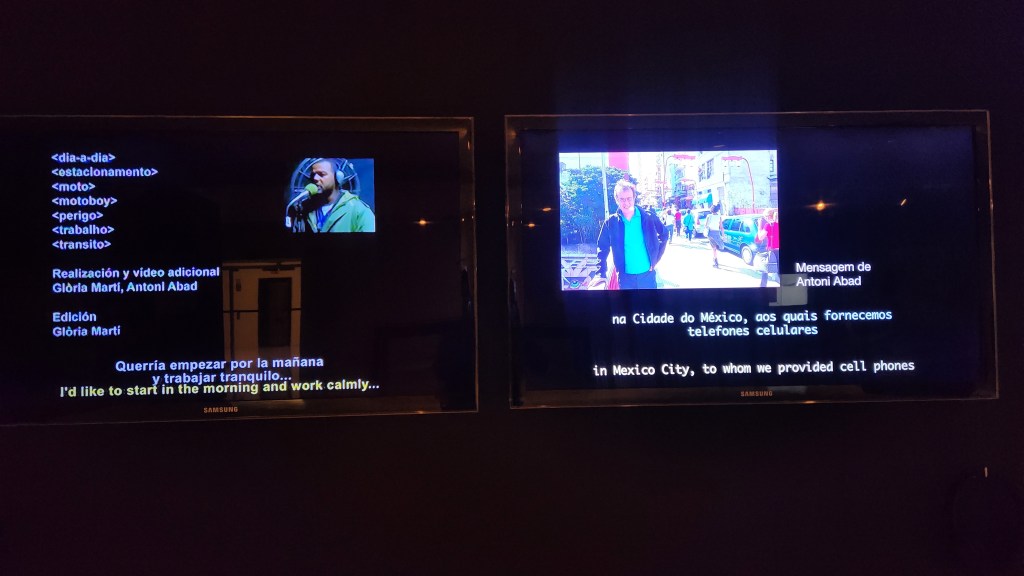
At a time when cultural production itself is increasingly subjected to corporate logics of datafication and AI-fication, exhibitions like Antagonistas remind us that technological futures are neither singular nor predetermined. They are actively shaped through political struggle, historical memory, cultural imagination, and collective negotiation. The arts and humanities do not merely respond to technological change after the fact; they help construct the conceptual and ethical frameworks through which societies understand, challenge, and reimagine technological life itself.
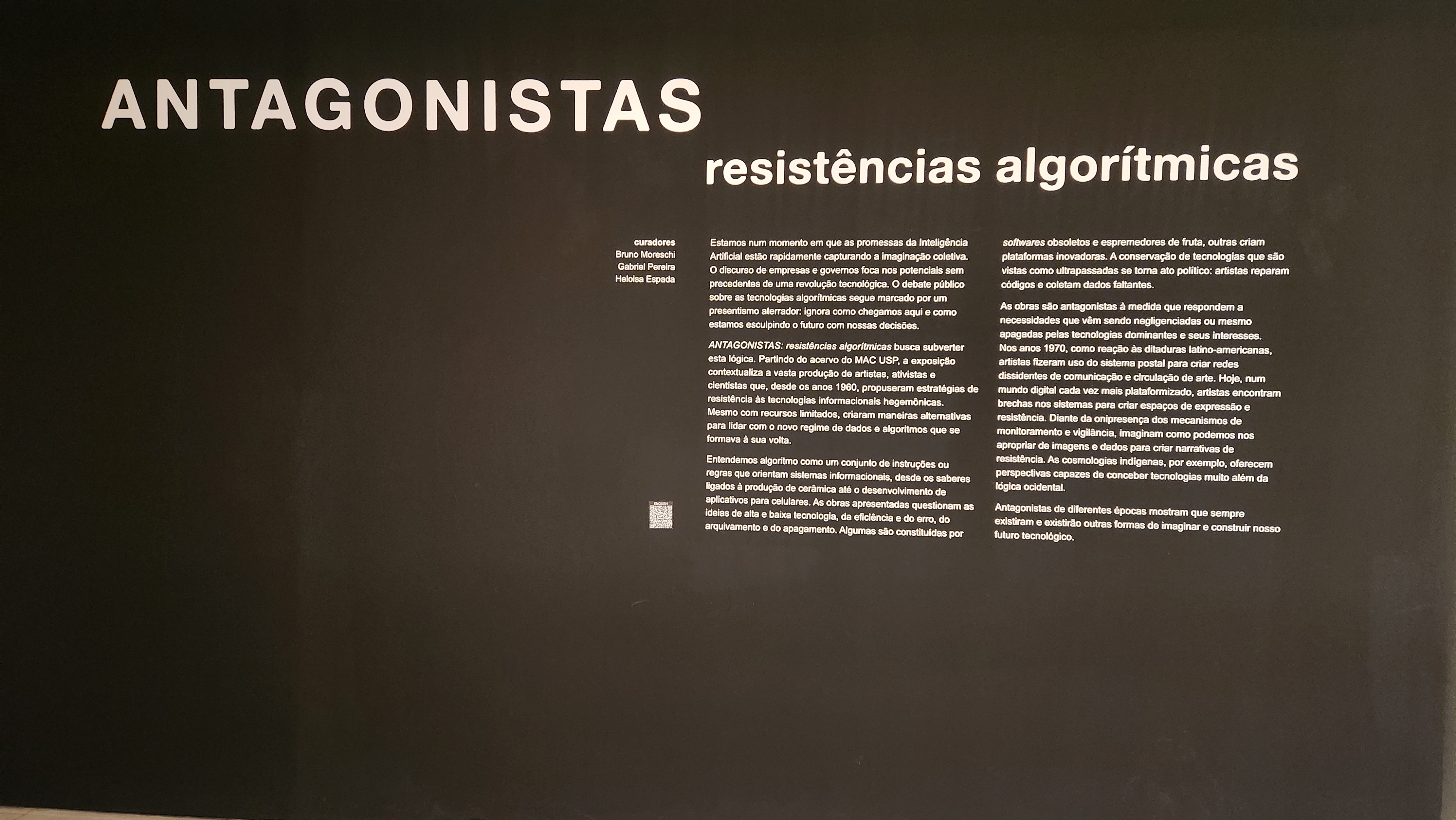
These works are antagonistic insofar as they respond to needs that have been neglected or even erased by dominant technologies and their interests. In the 1970s, as a reaction to Latin American dictatorships, artists used the postal system to create dissident networks of communication and art circulation. Today, in an increasingly platformized digital world, artists find cracks in the system to carve out spaces for expression and resistance. Faced with the omnipresence of surveillance and monitoring mechanisms, they imagine how we might reclaim images and data to craft narratives of resistance. Indigenous cosmologies, for instance, offer perspectives capable of conceiving technologies far beyond Western logic.
Antagonists from different eras show us that there have always been—and there always will be—other ways to imagine and construct our technological future.
Curatorial note from the exhibition.
Curators: Bruno Moreschi, Gabriel Pereira, Heloísa Espada
Curatorial Assistant: Gabriele Conti
Some of Marina’s many photos below, followed by a playlist of exhibition walkthroughs. Use the Comments box below for your thoughts.
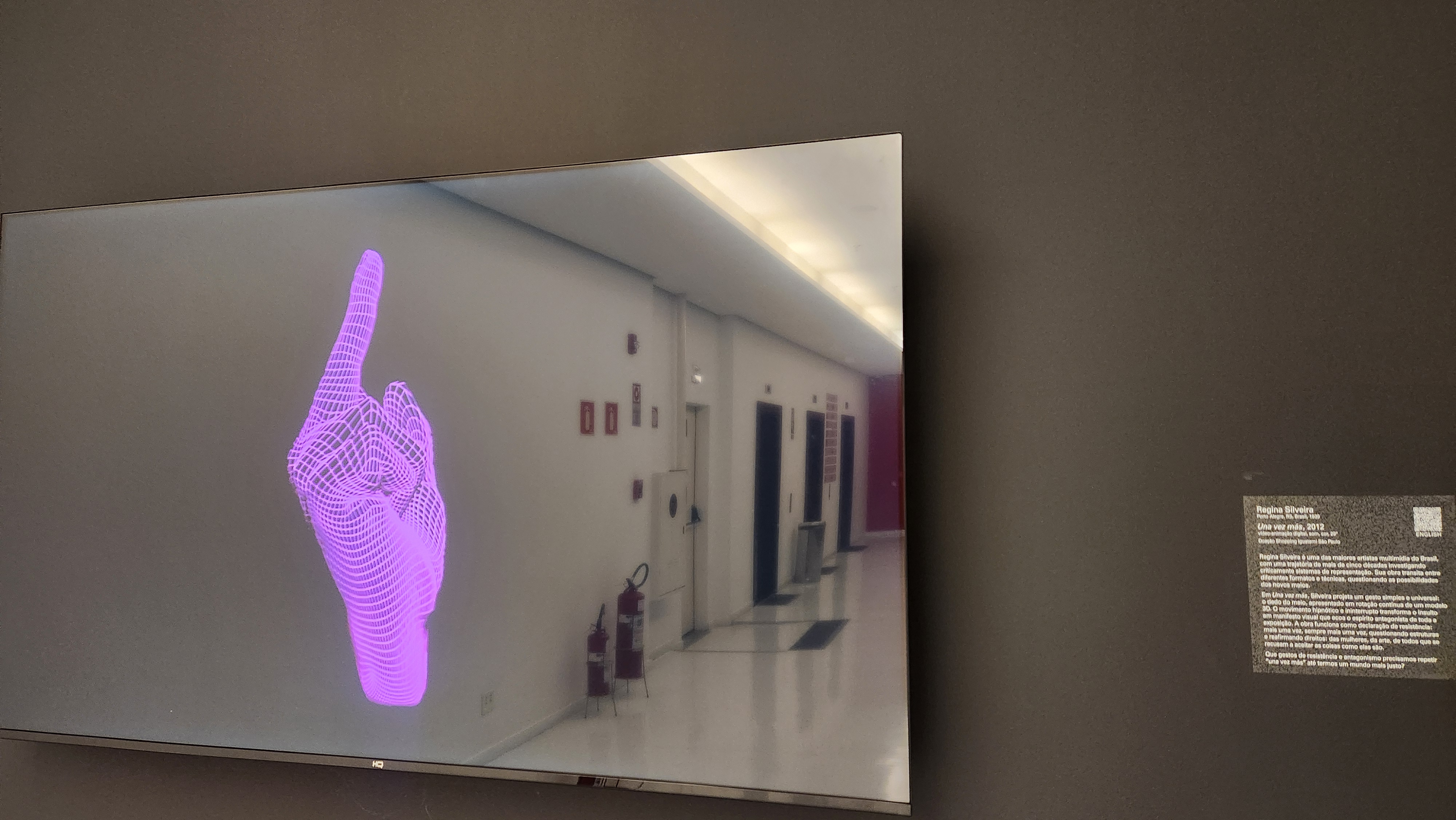
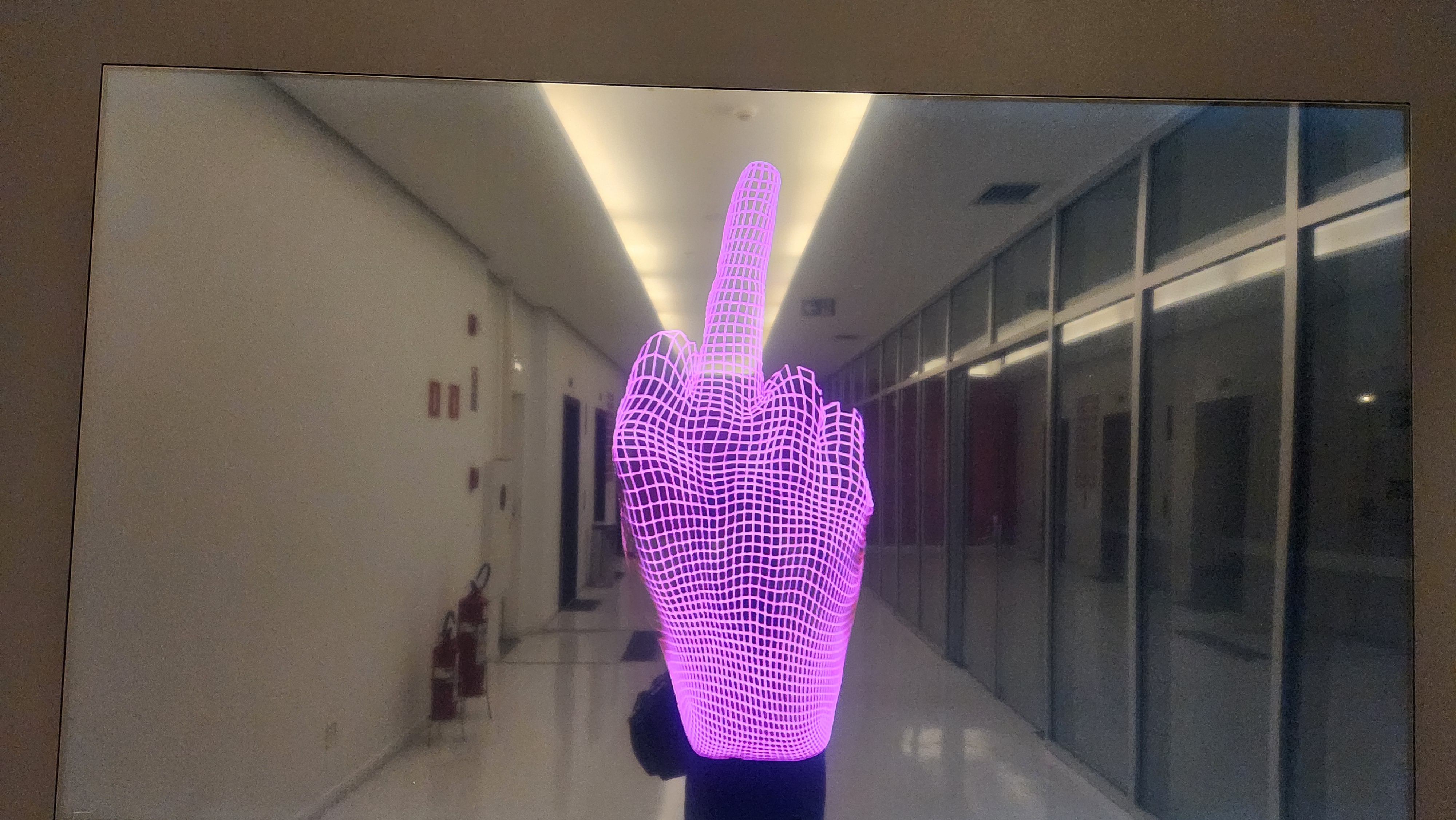
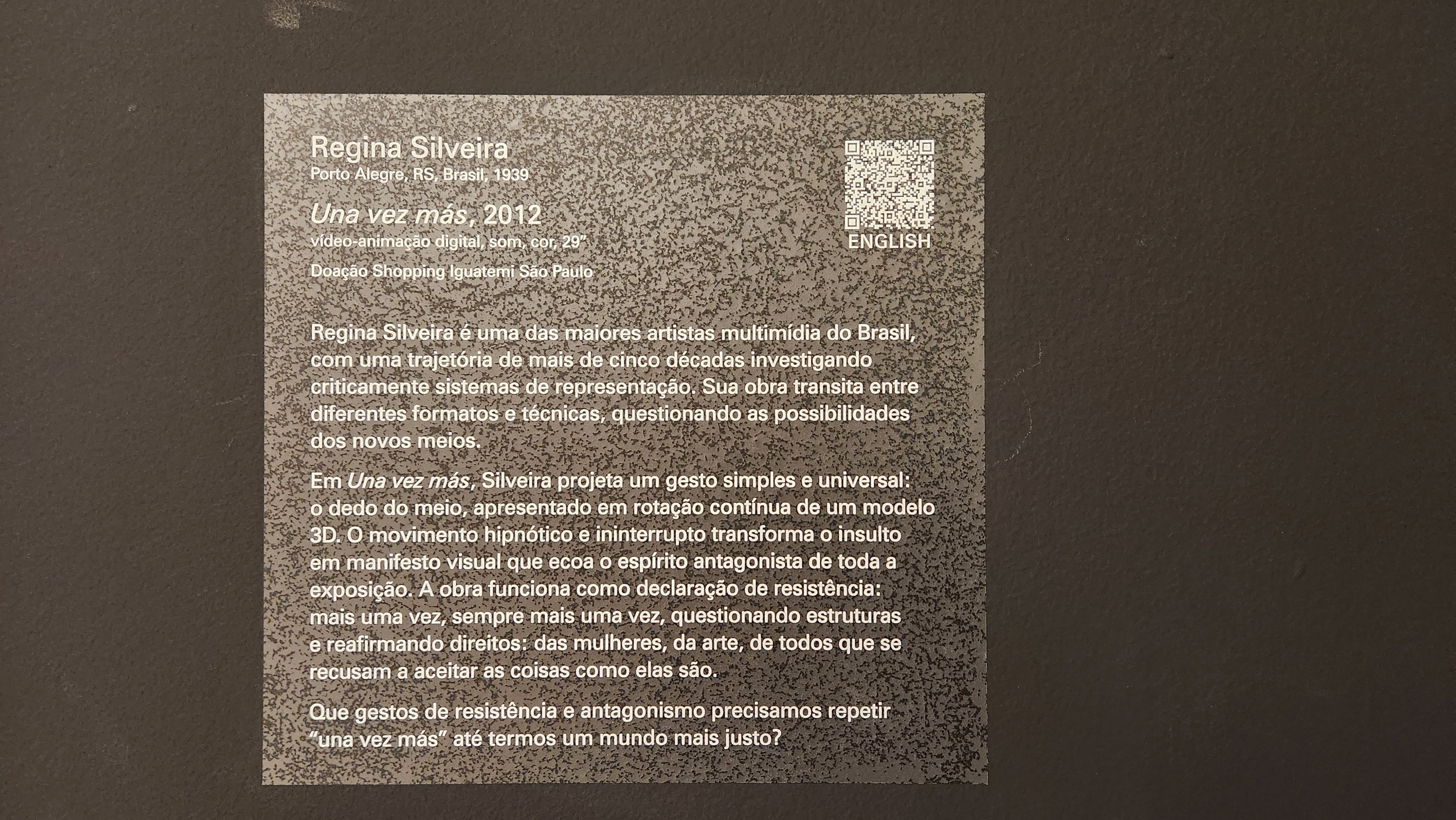
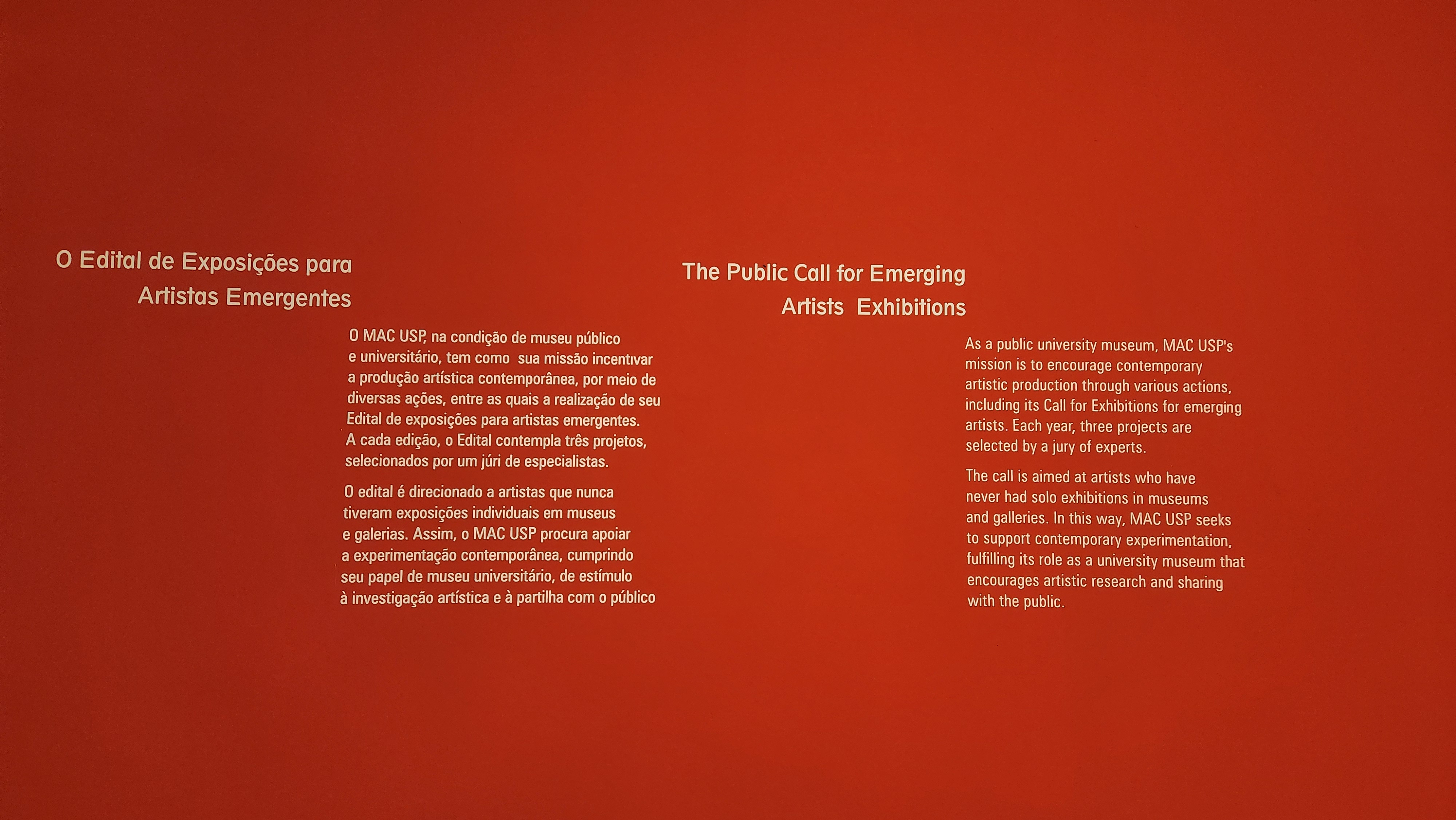
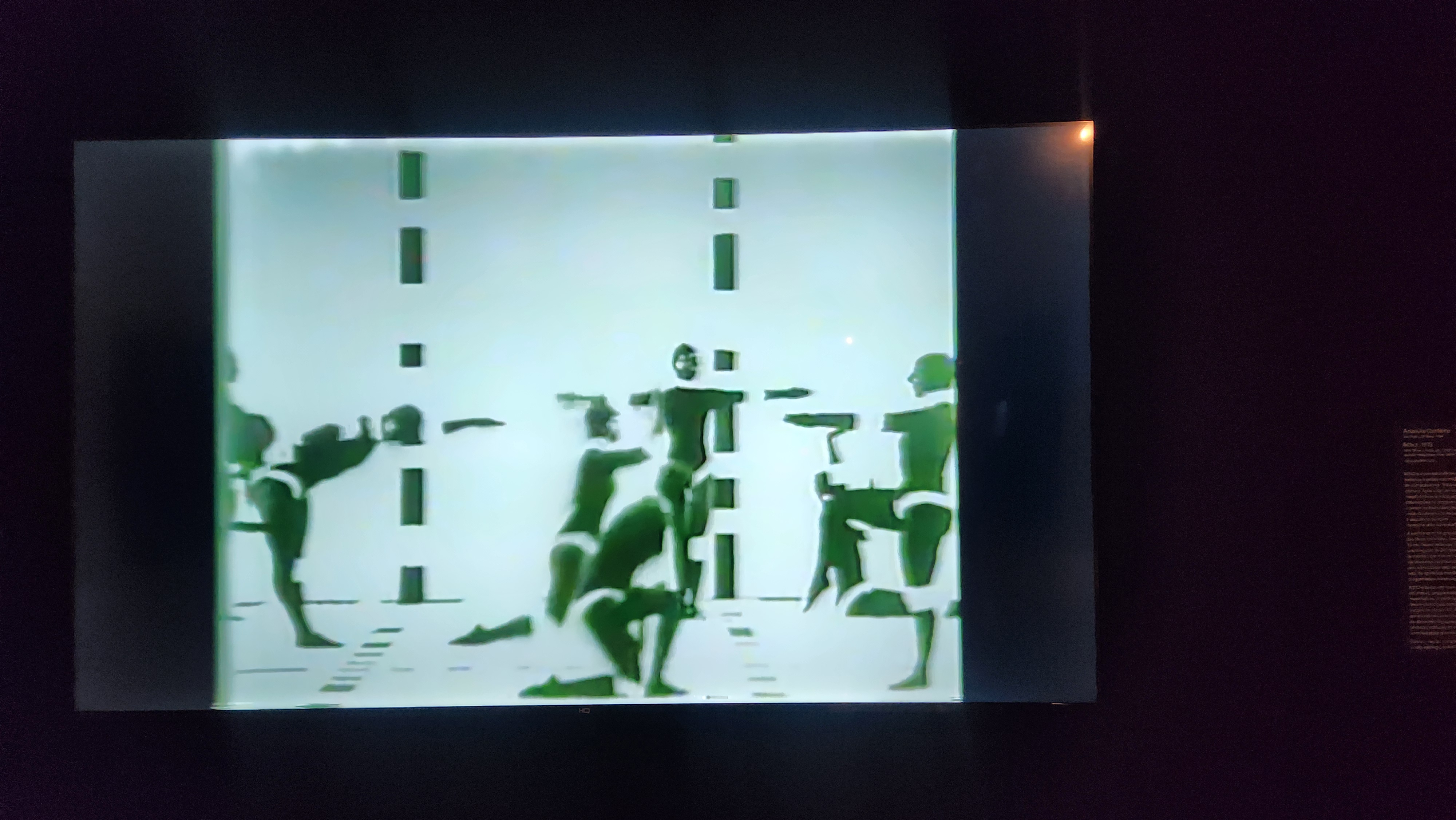
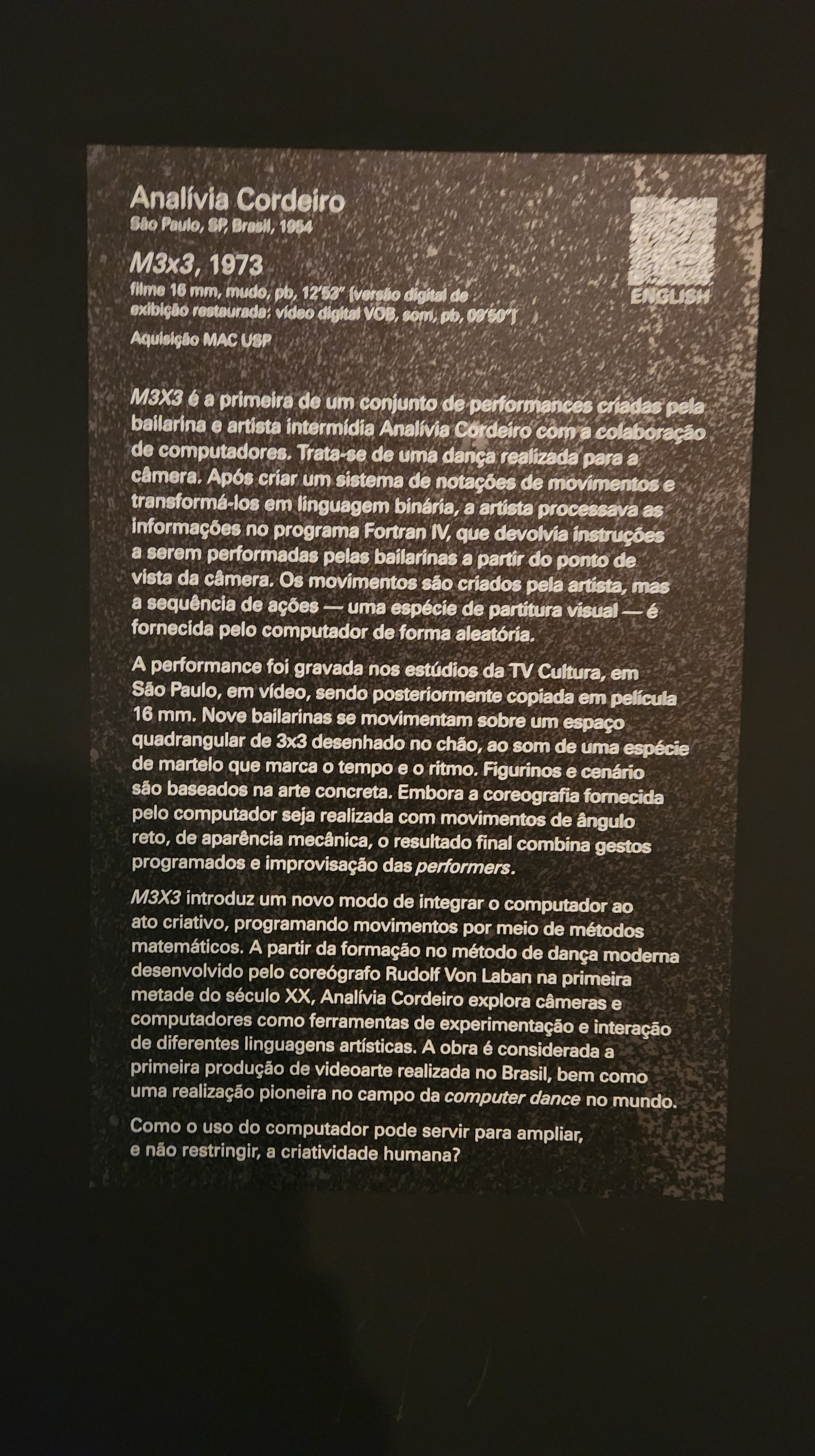
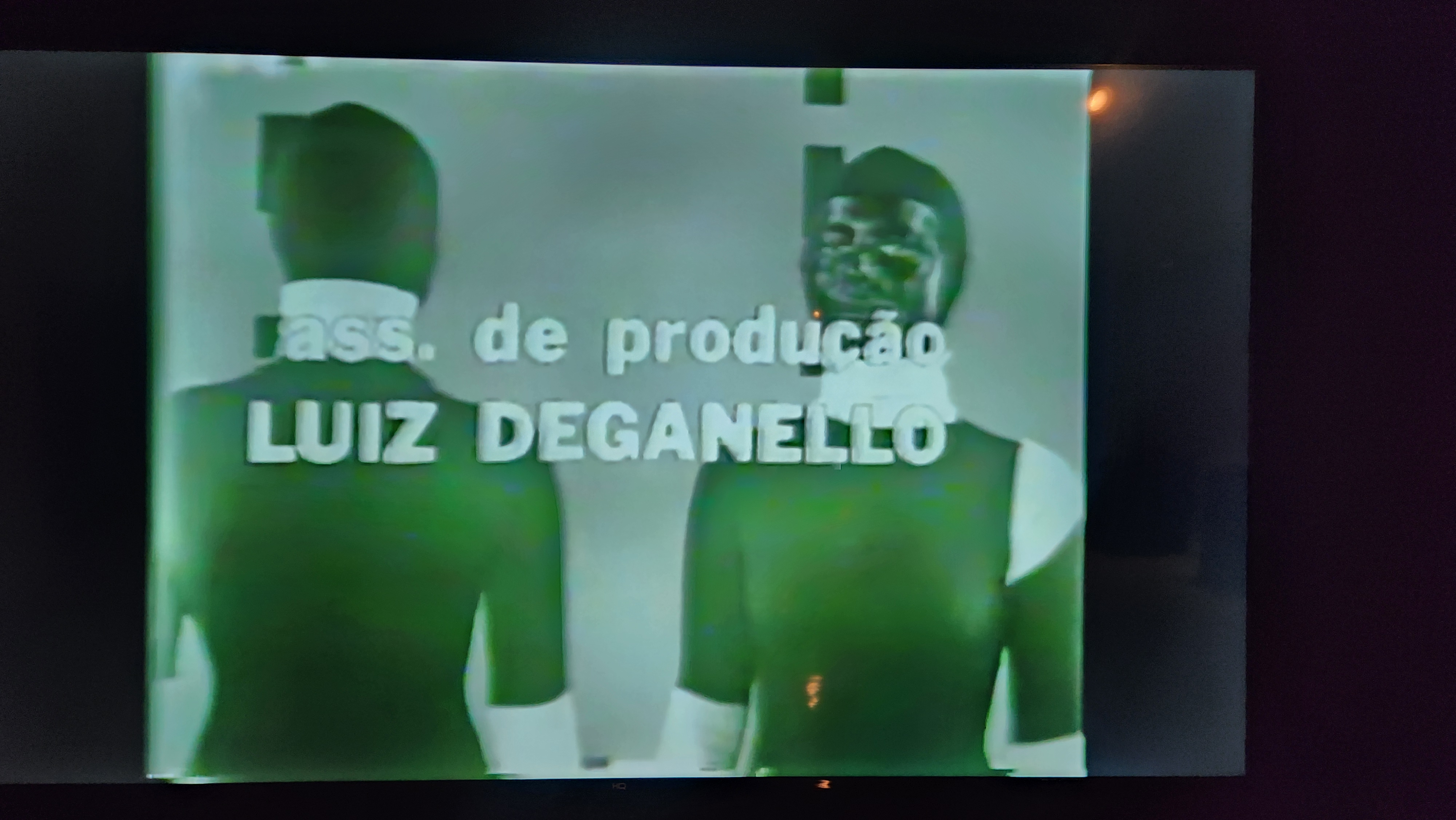
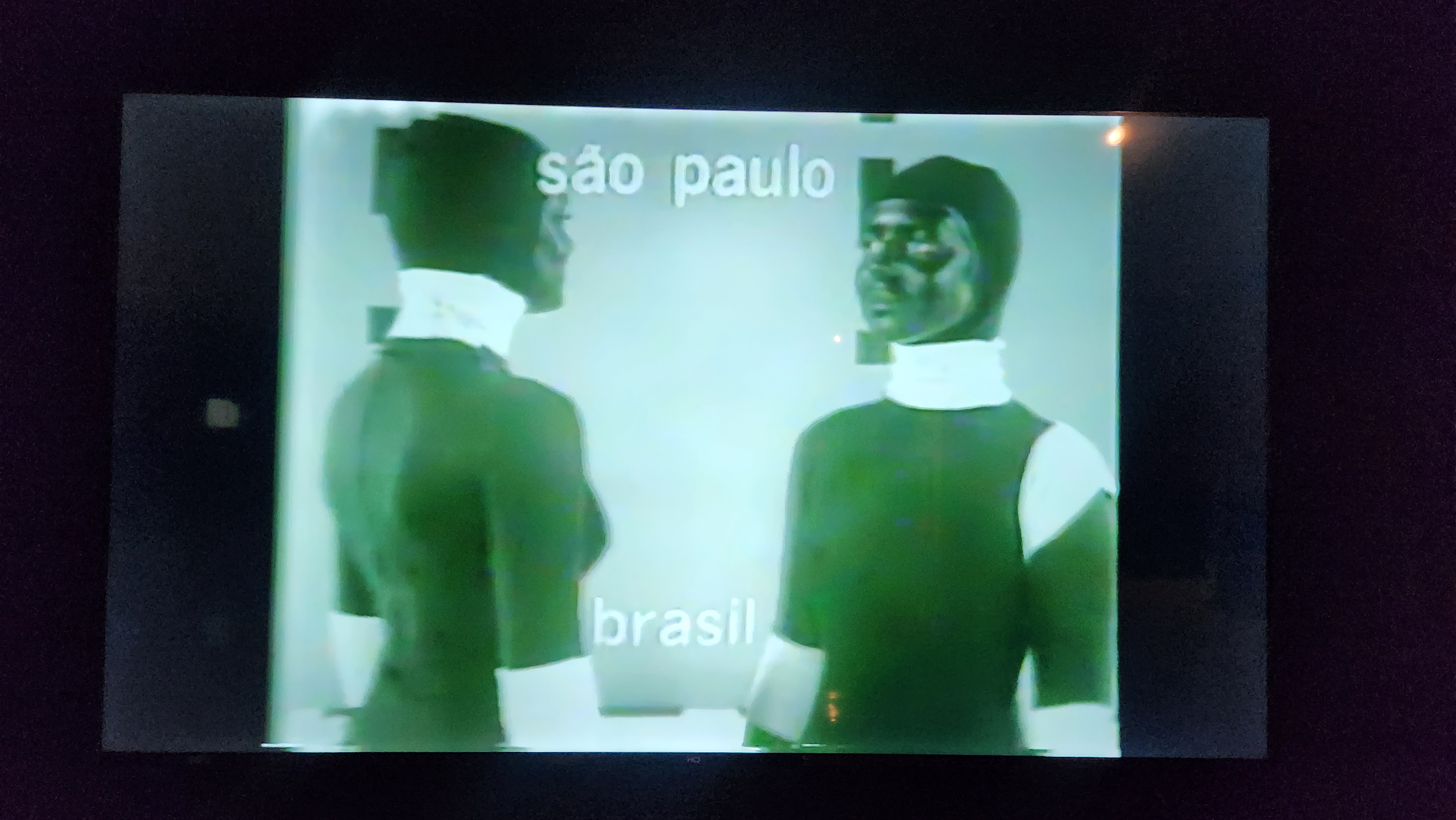
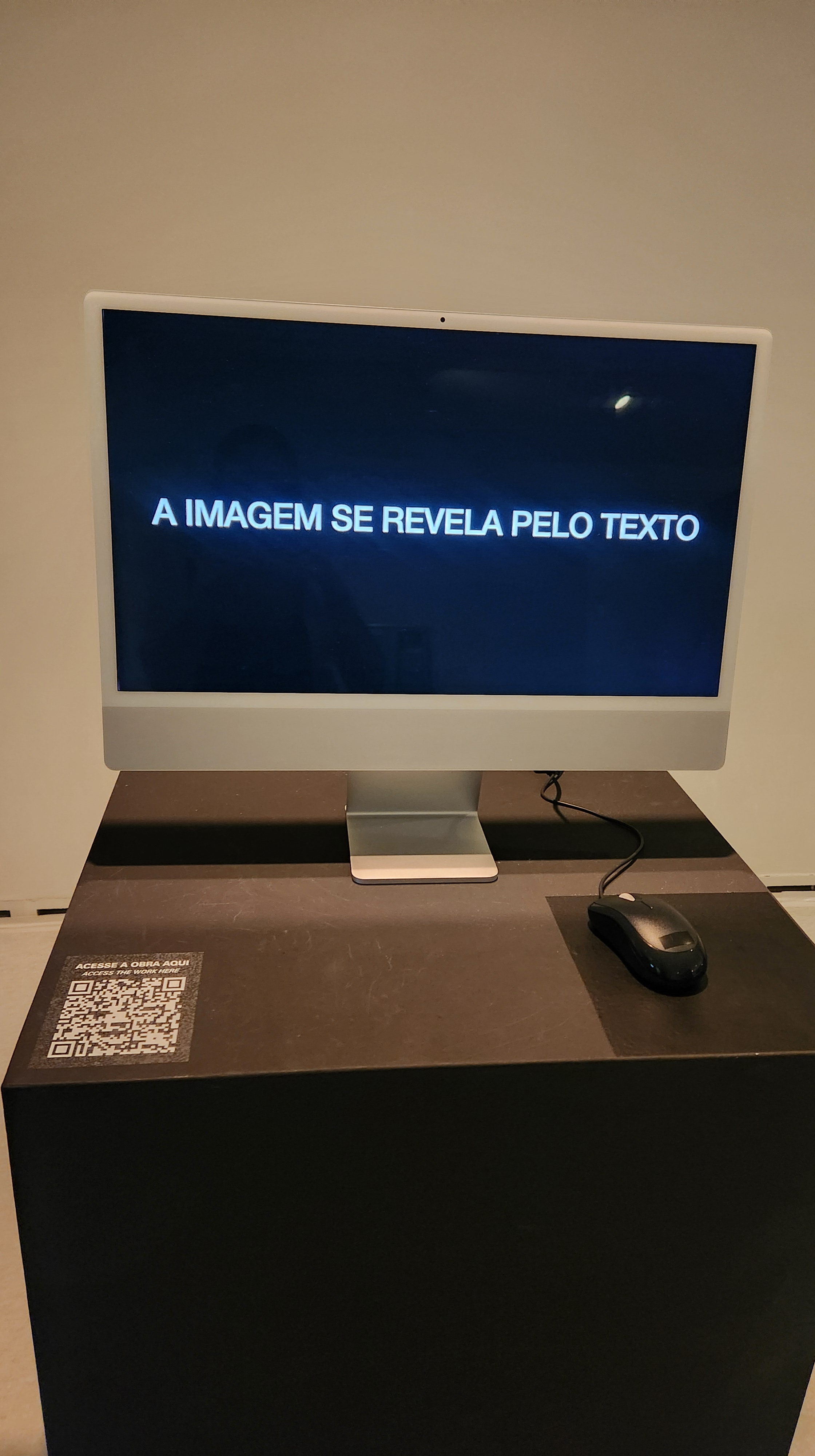
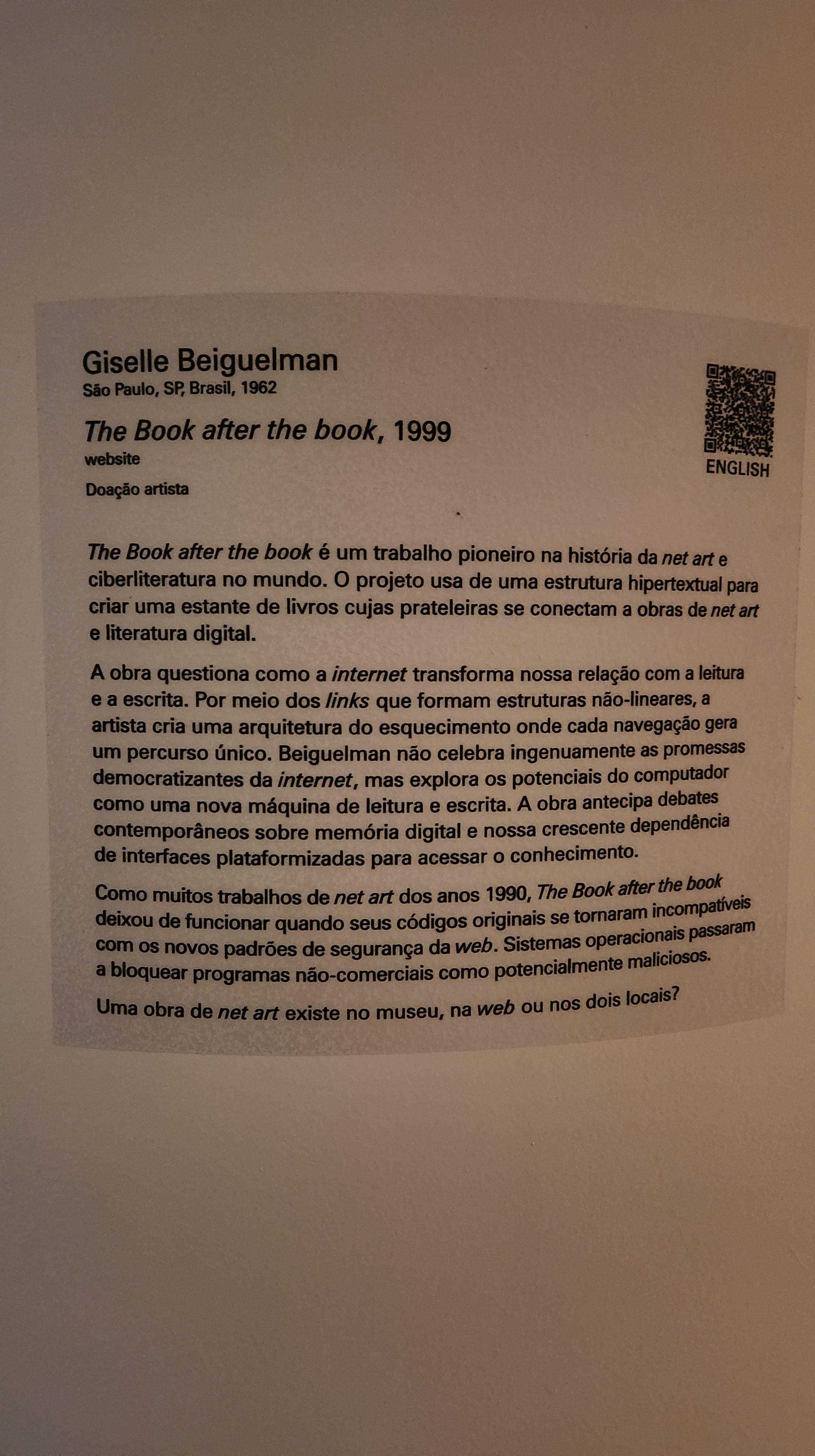
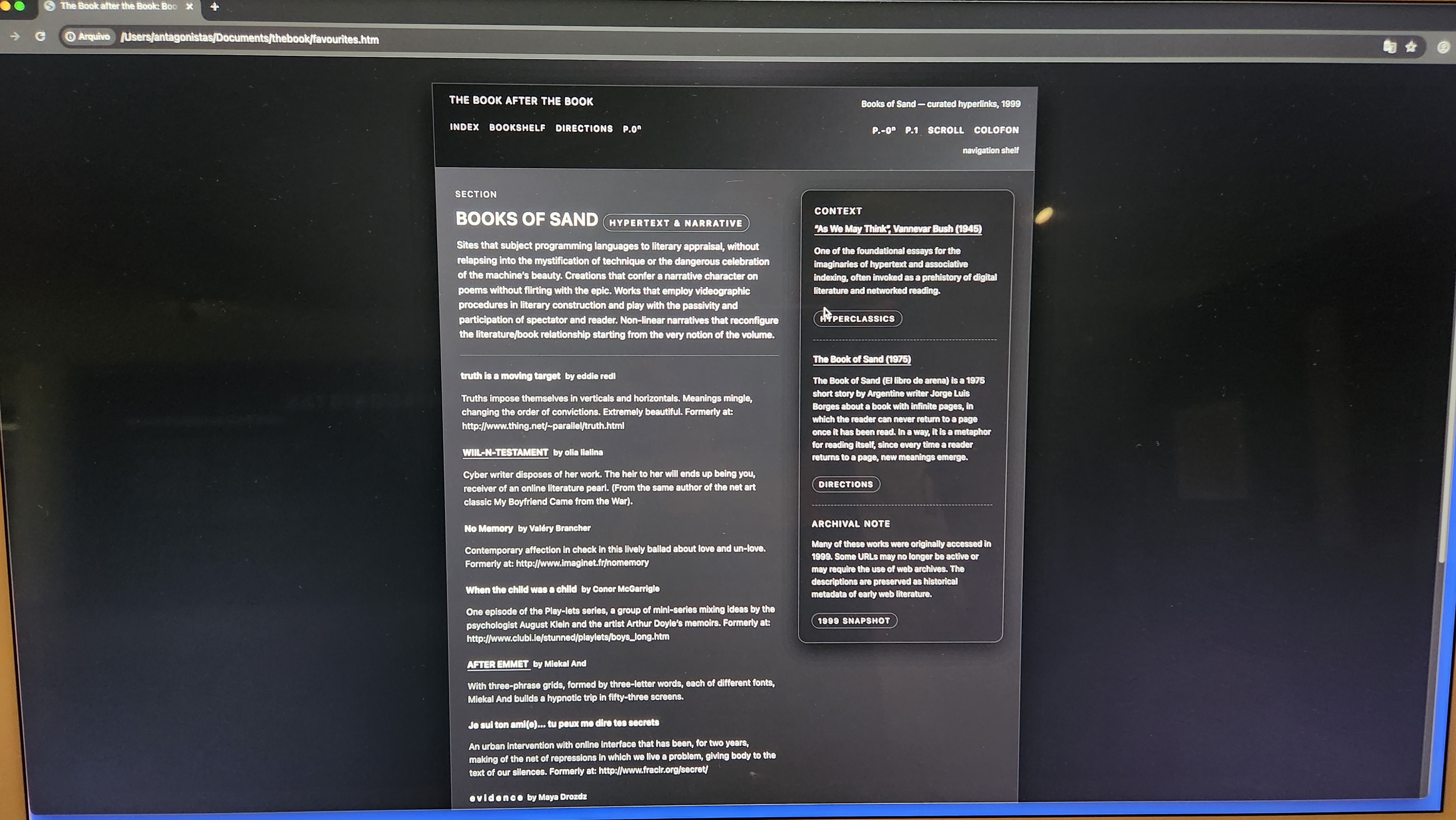


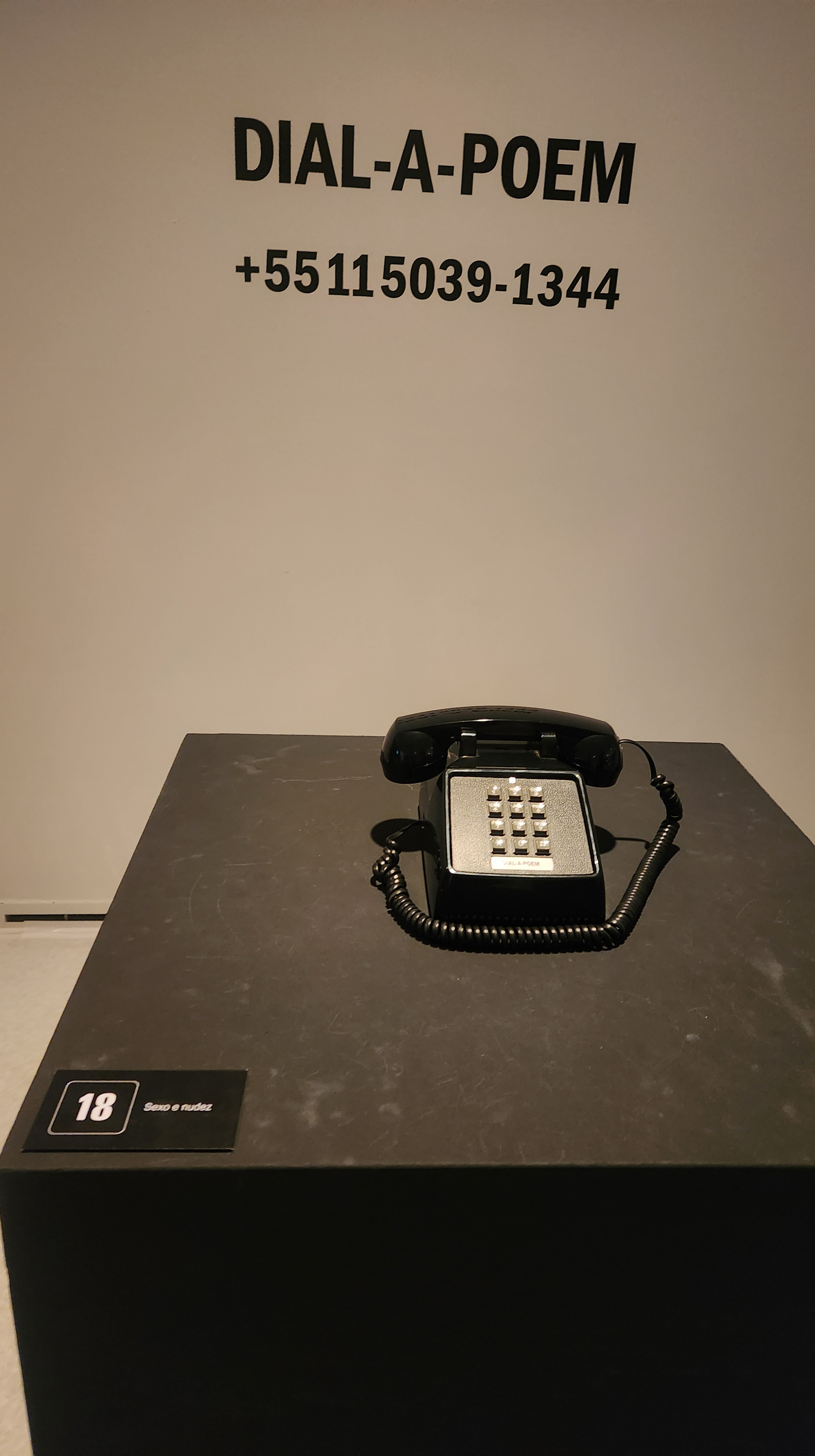
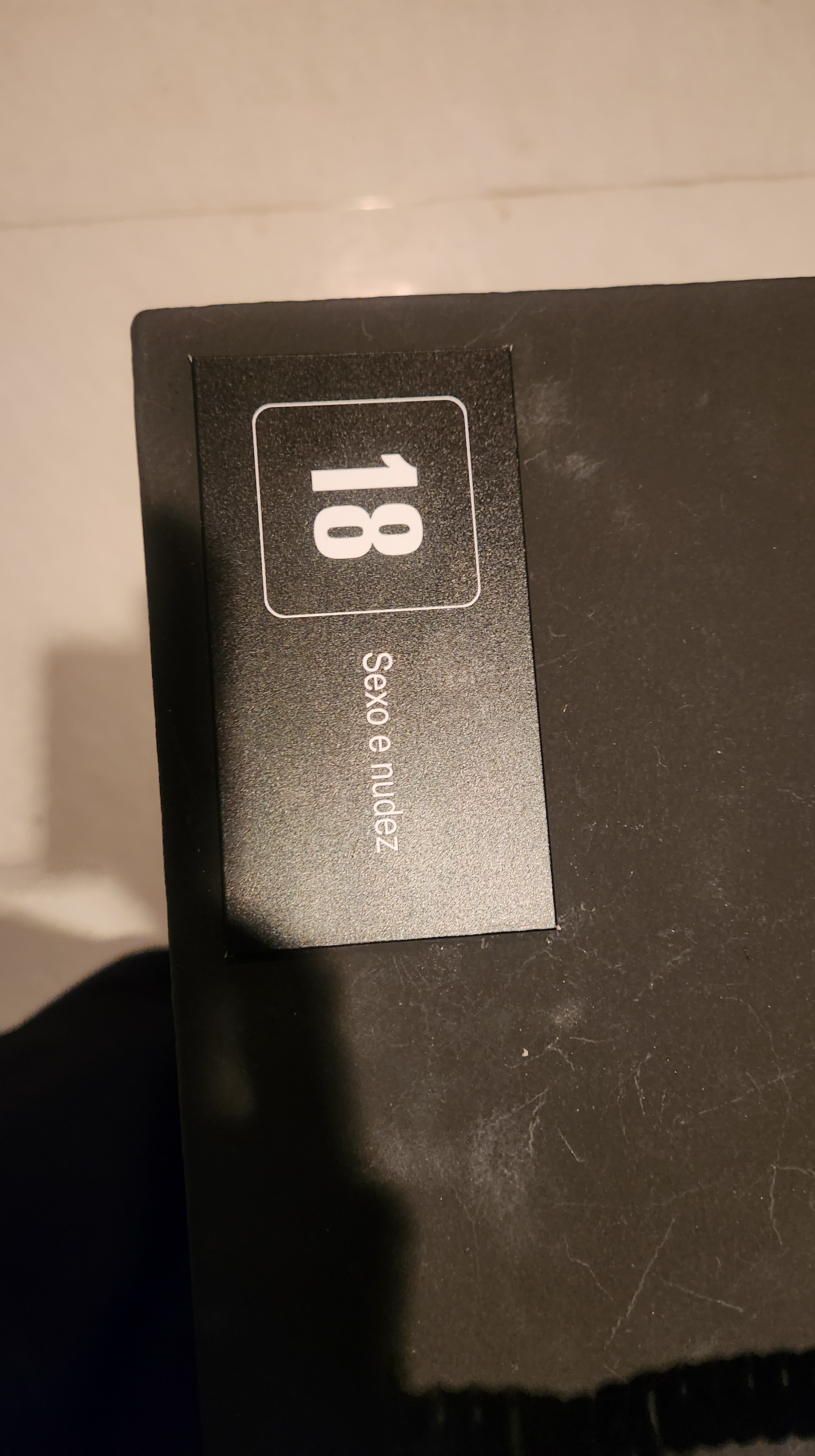
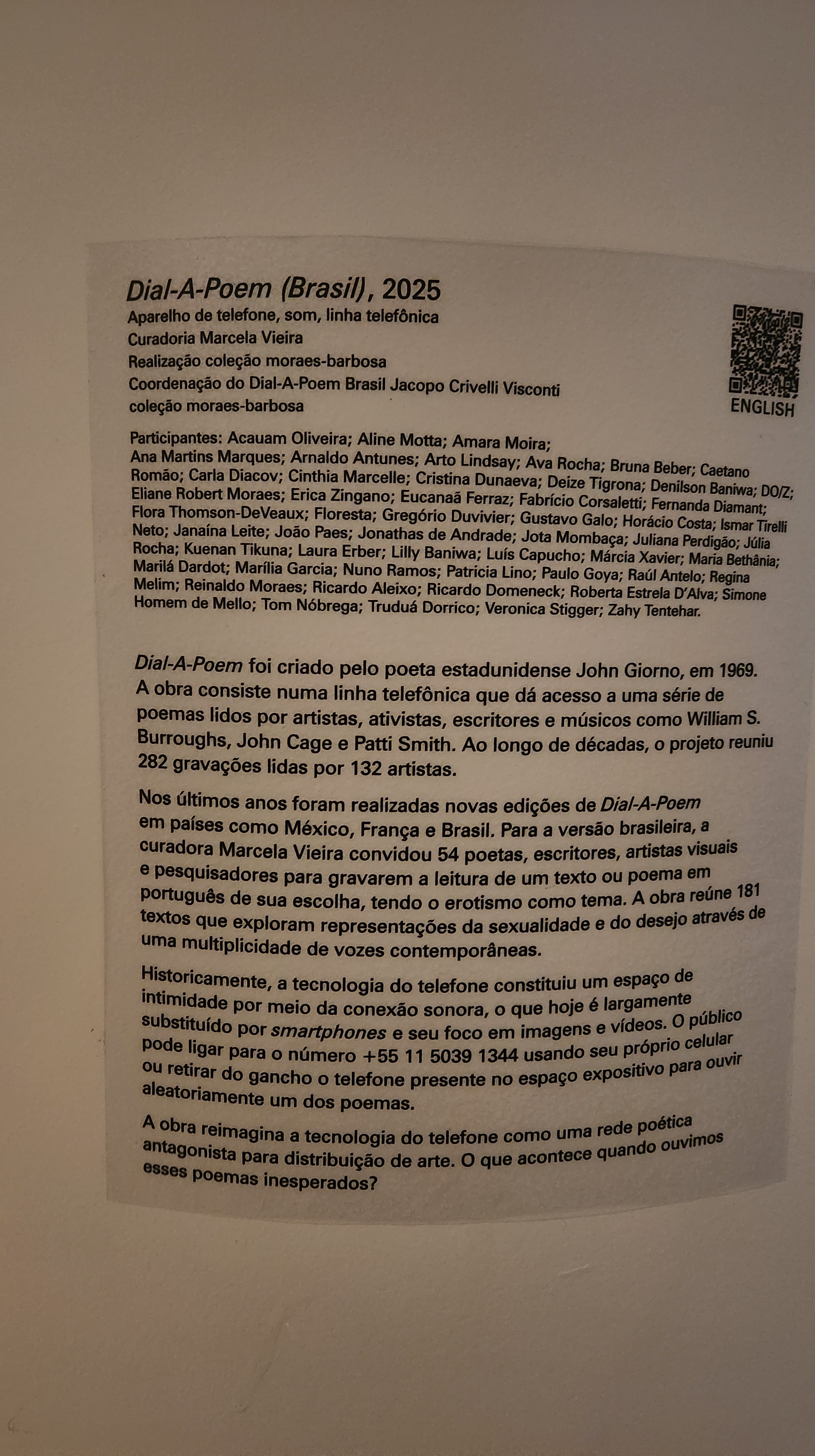
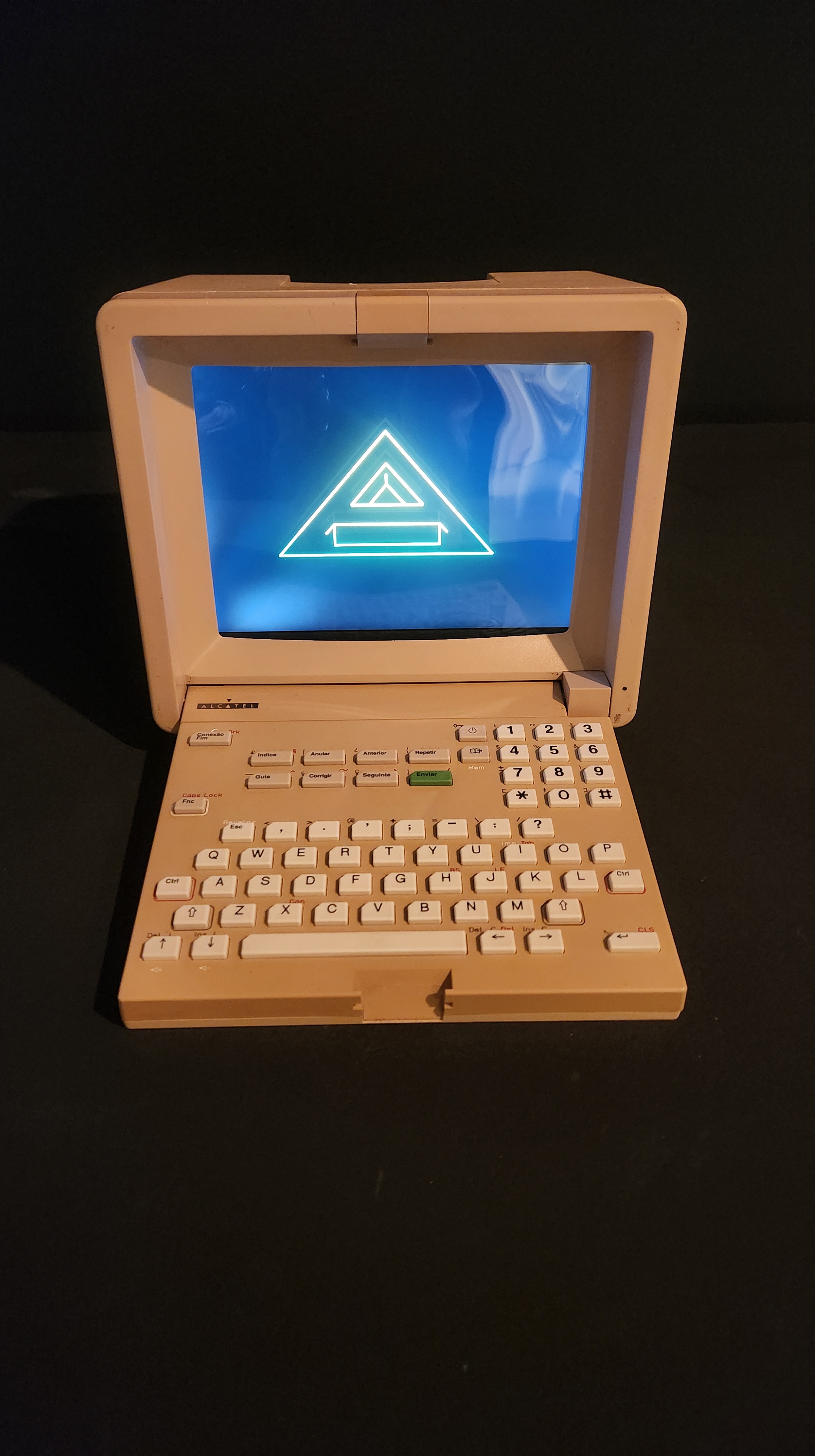
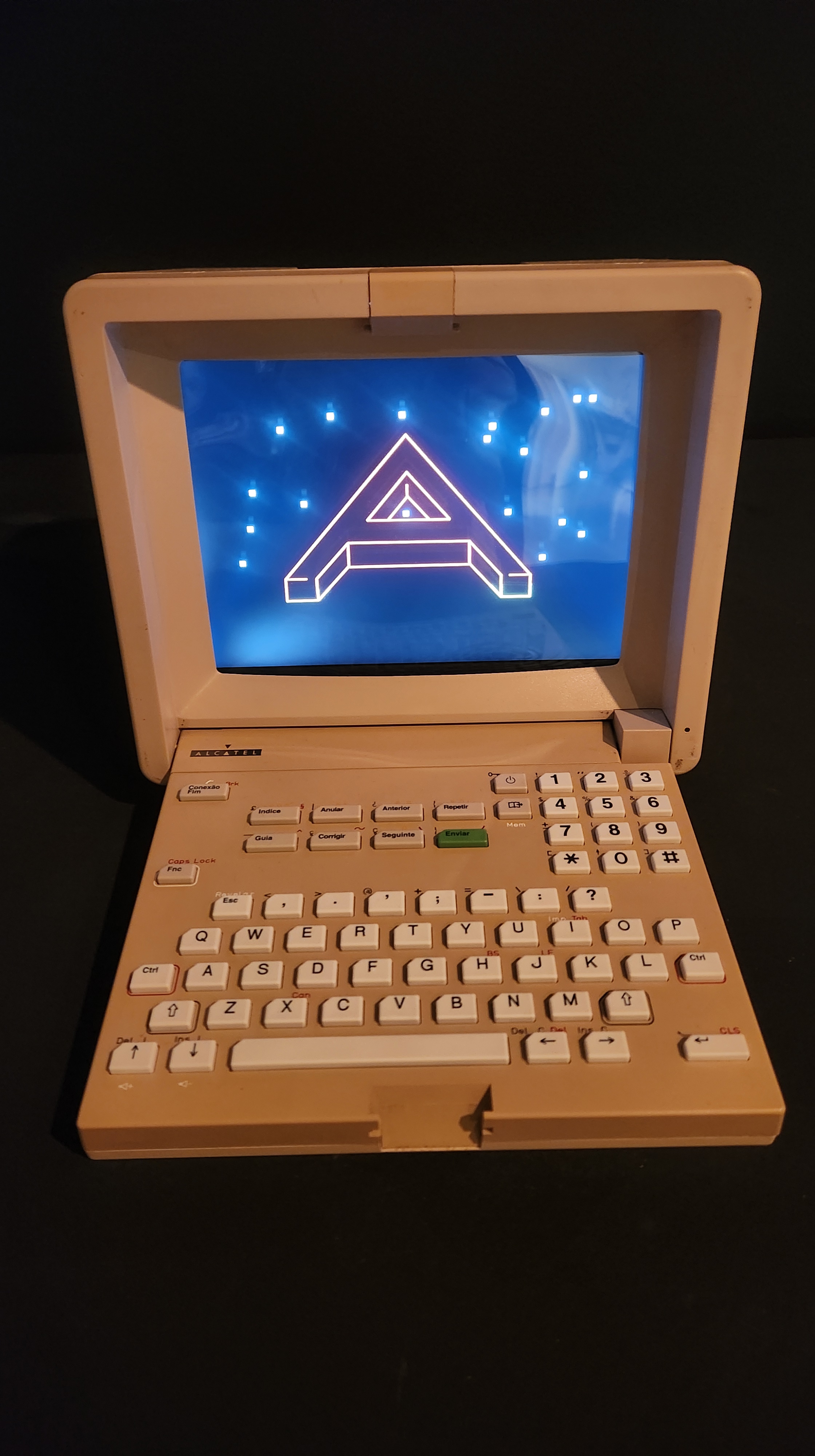
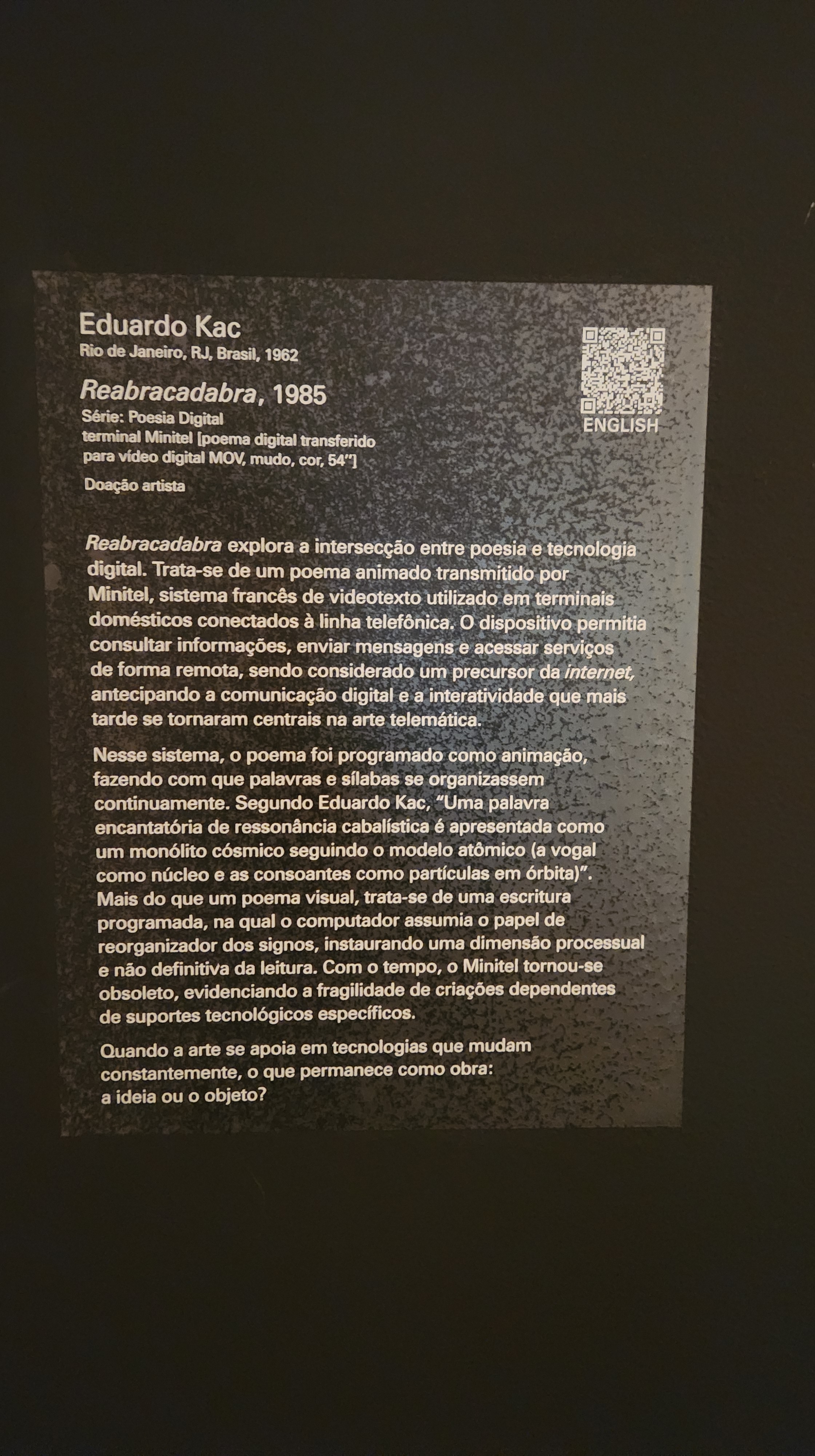
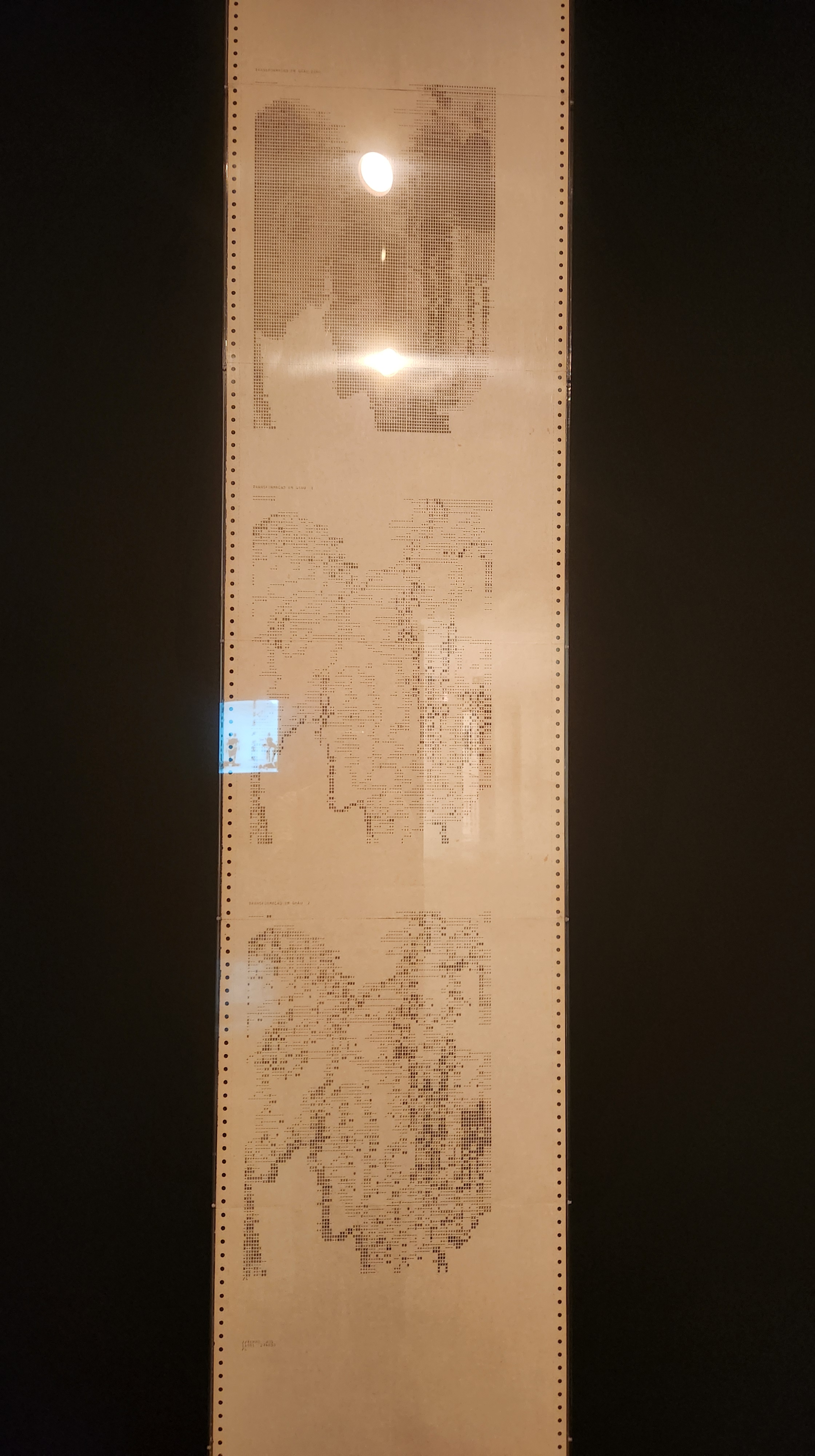
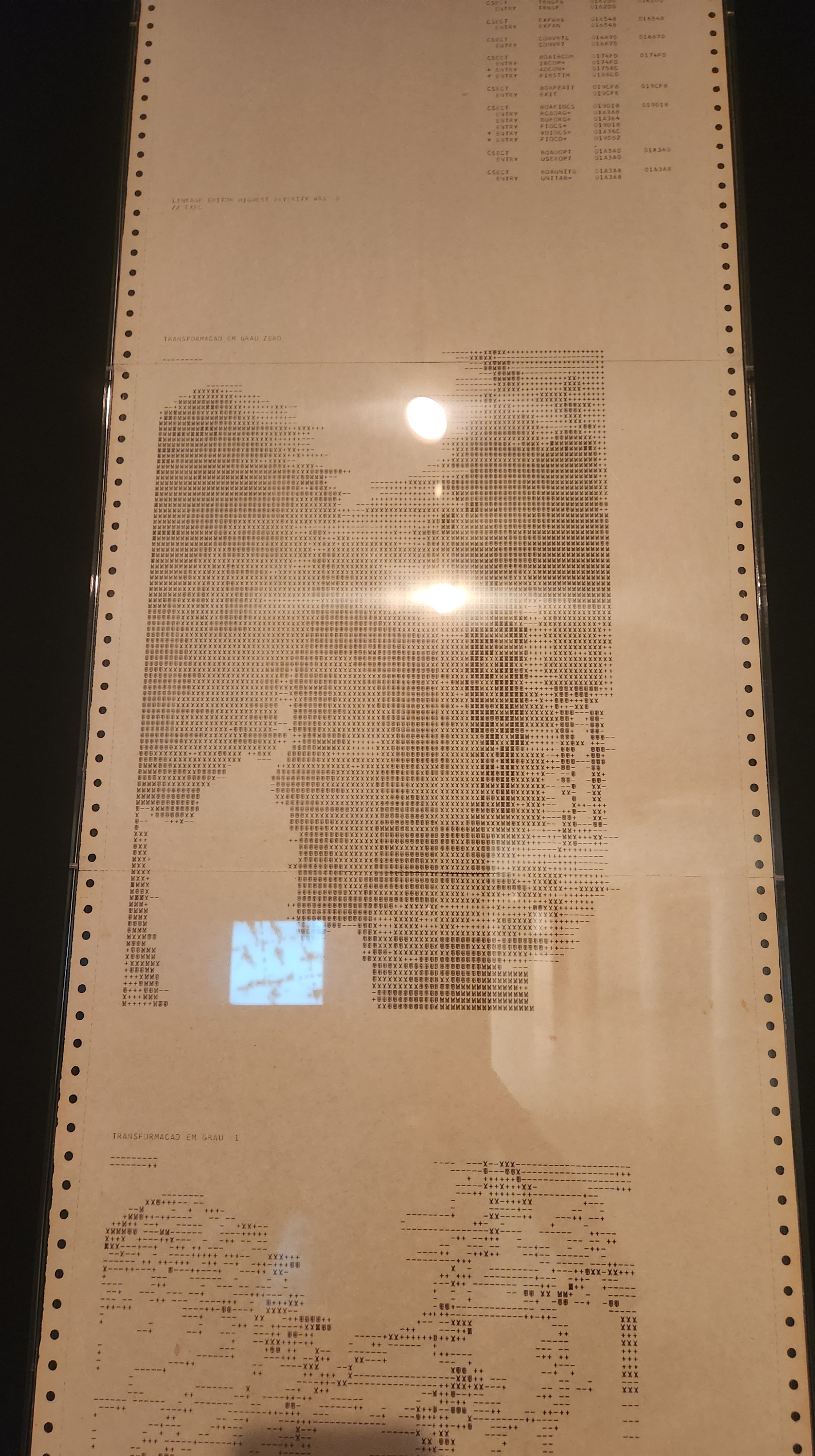
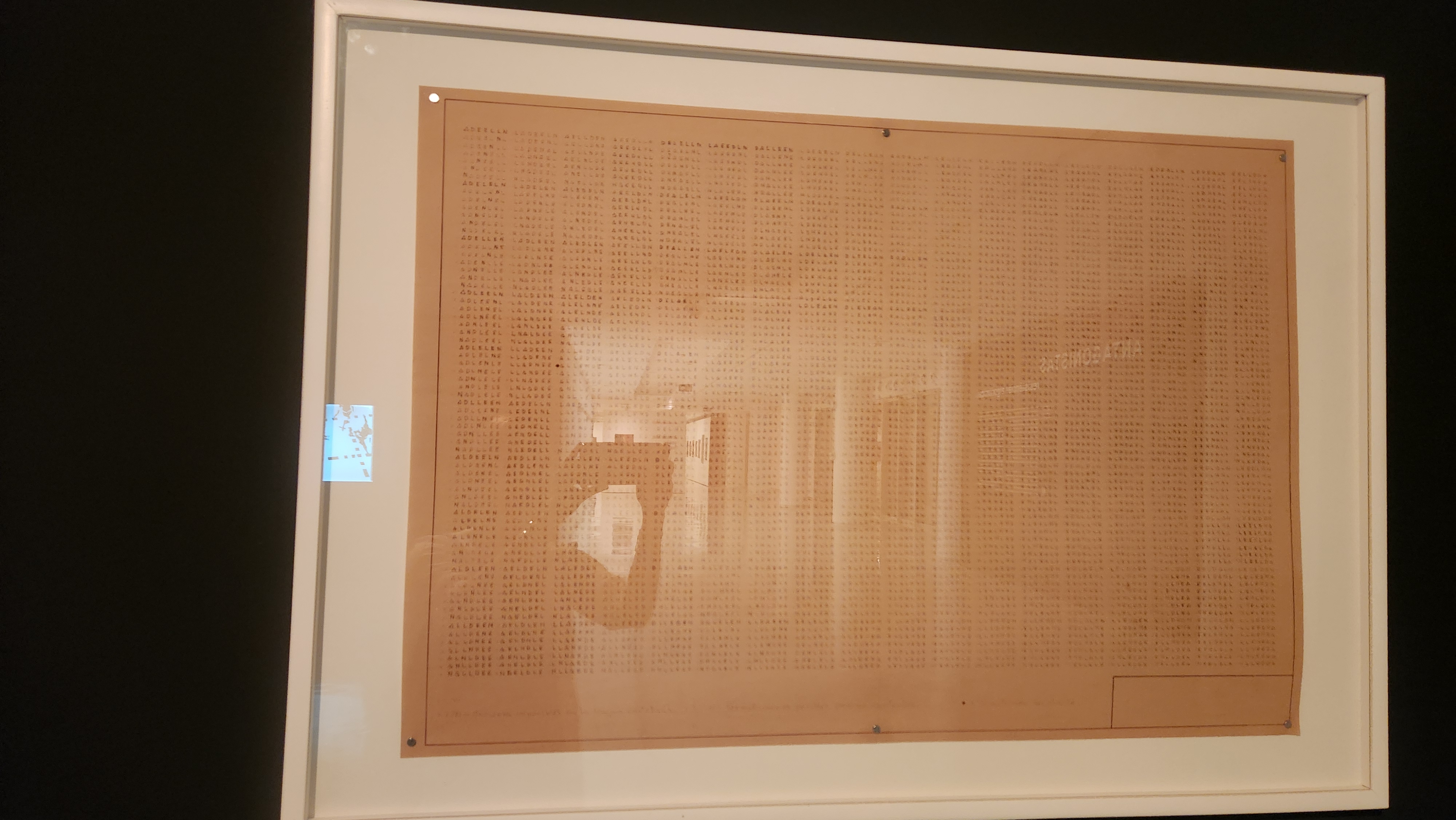
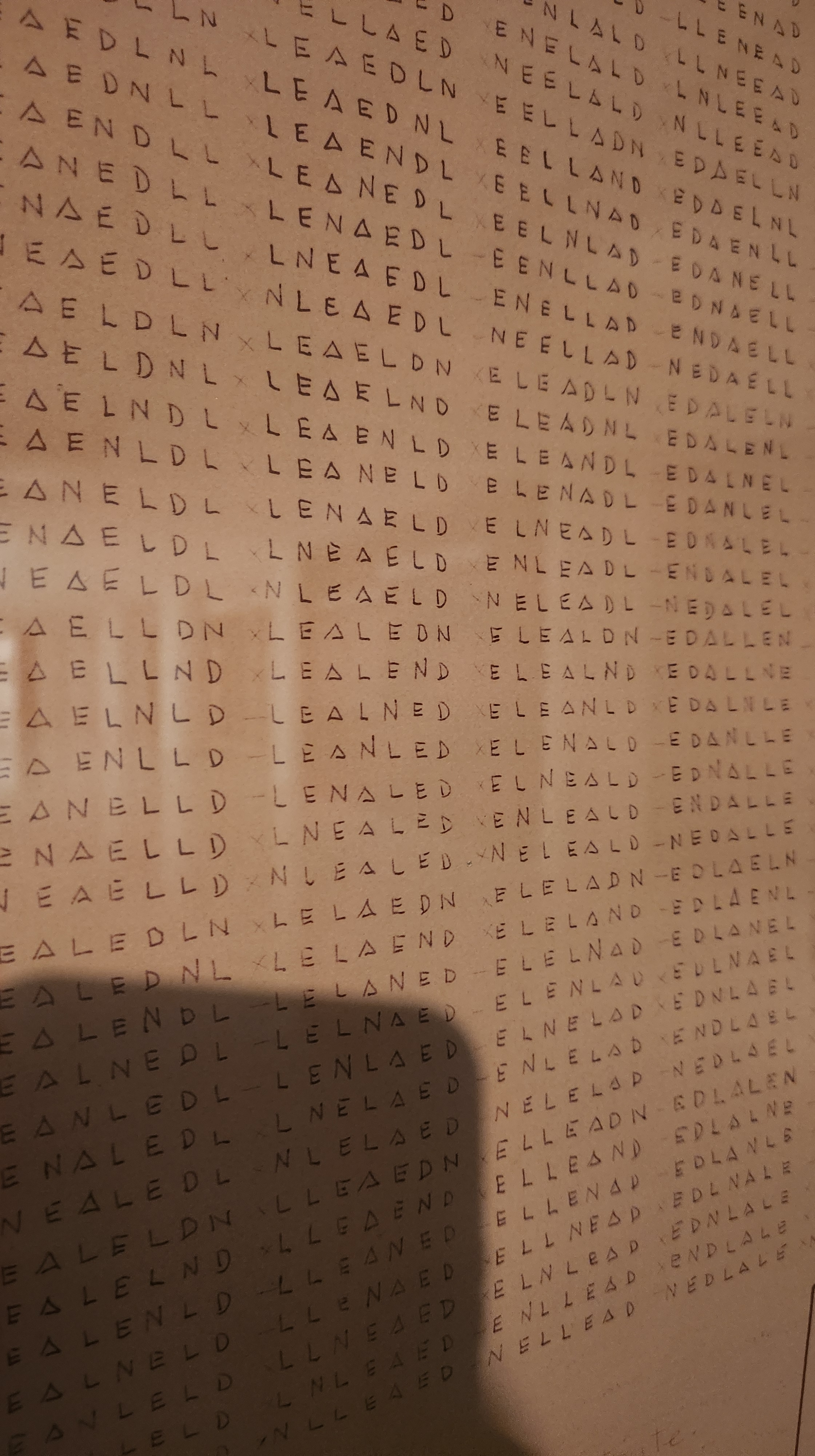
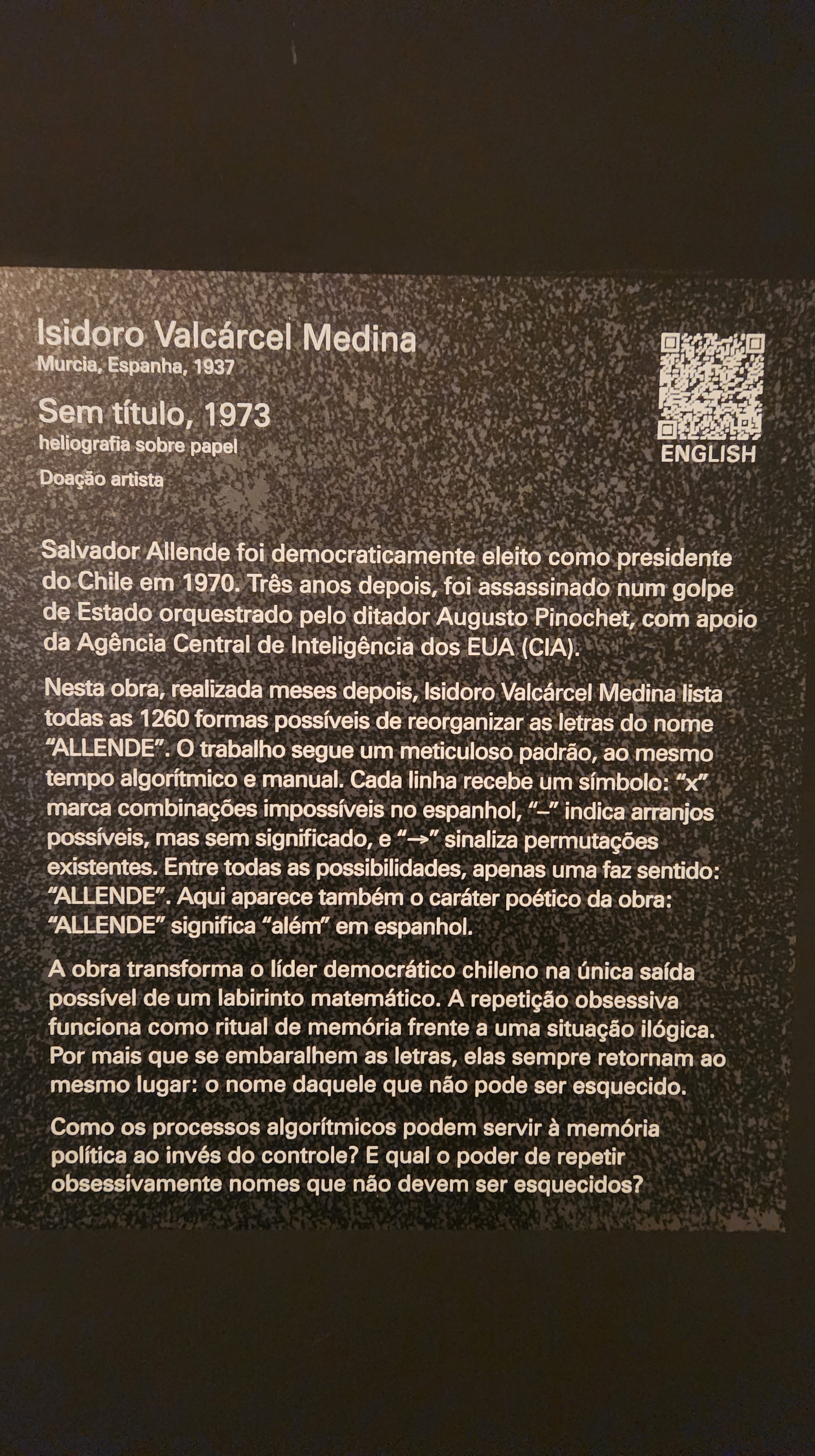
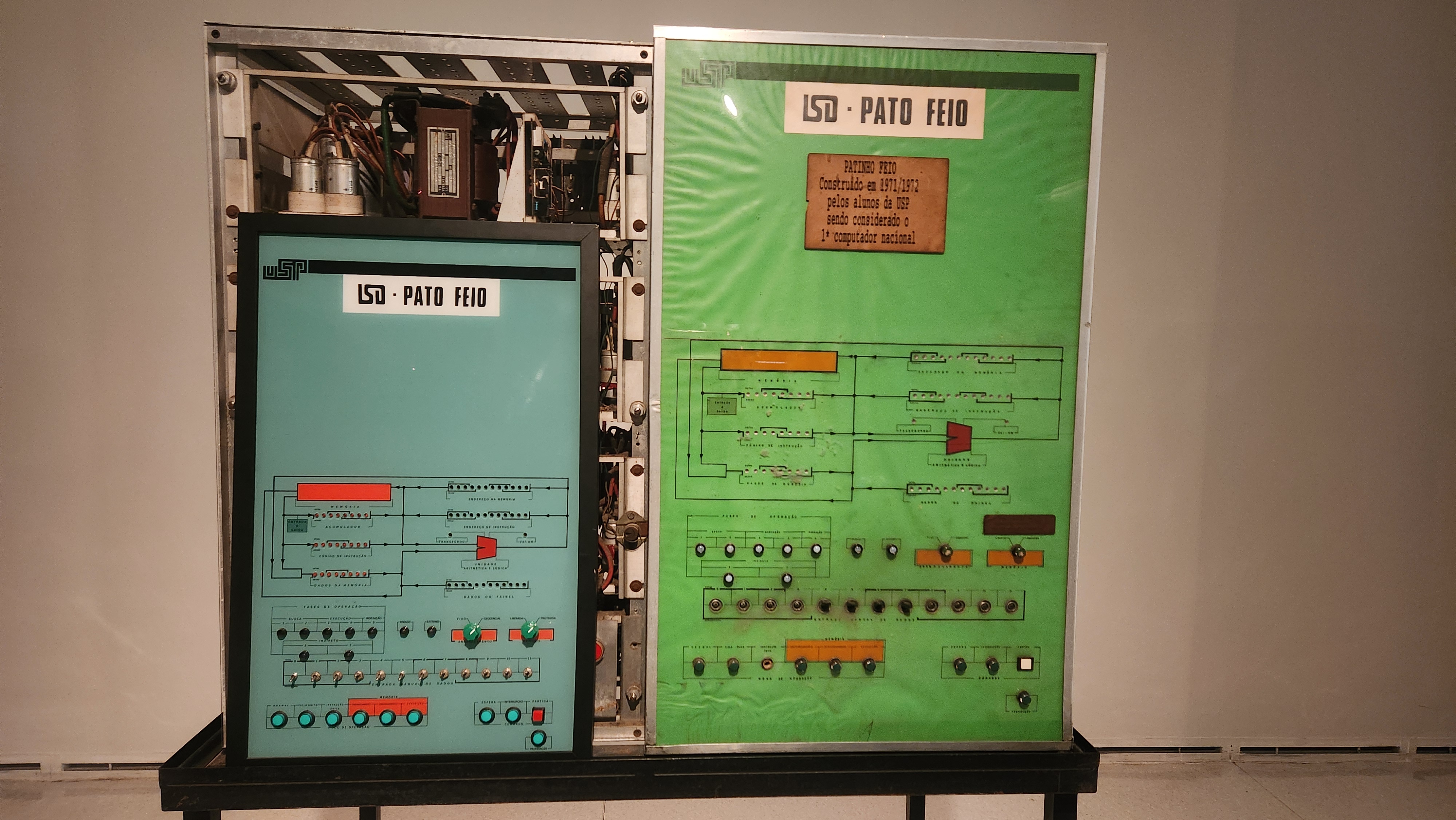
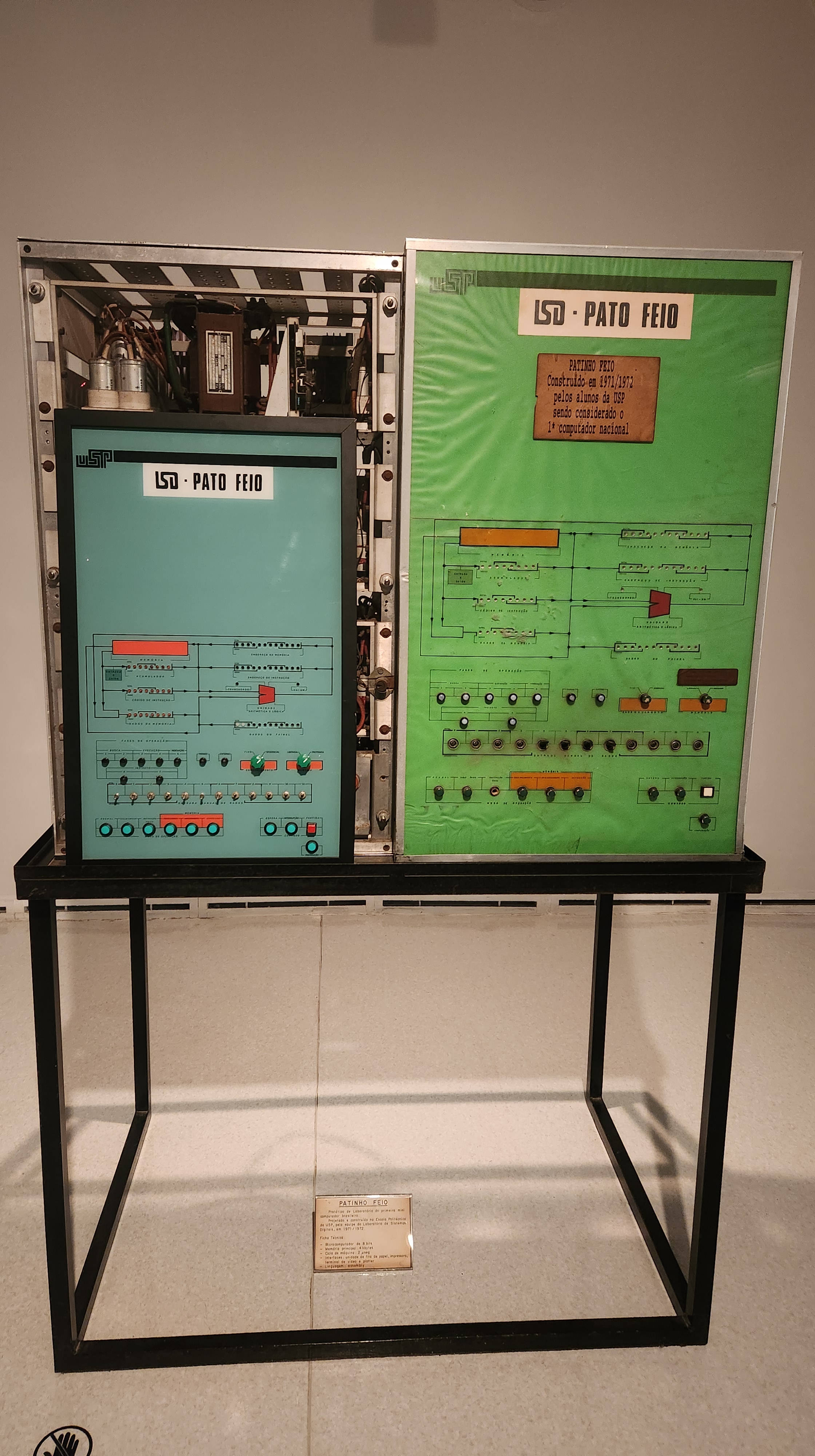
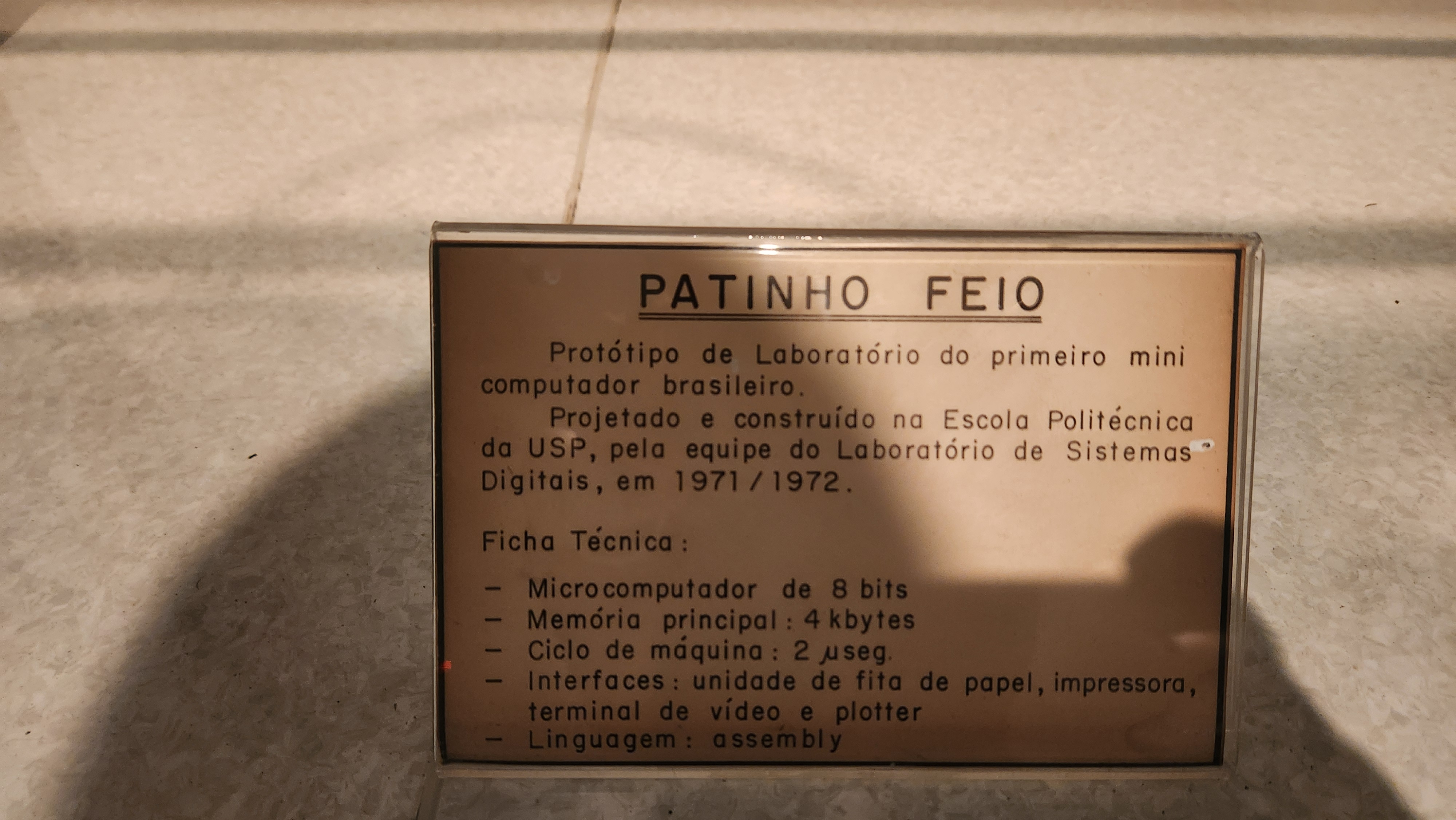
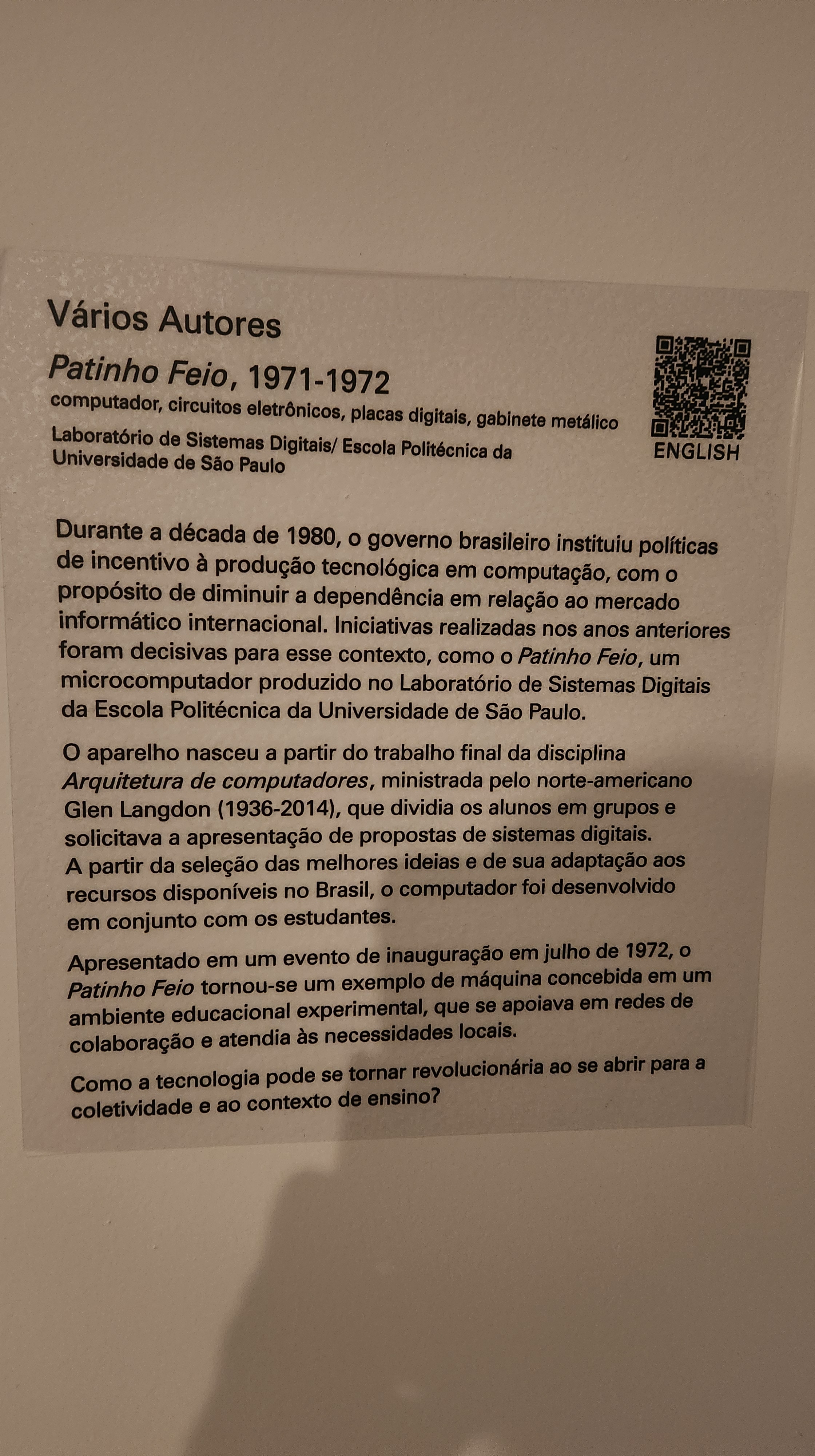
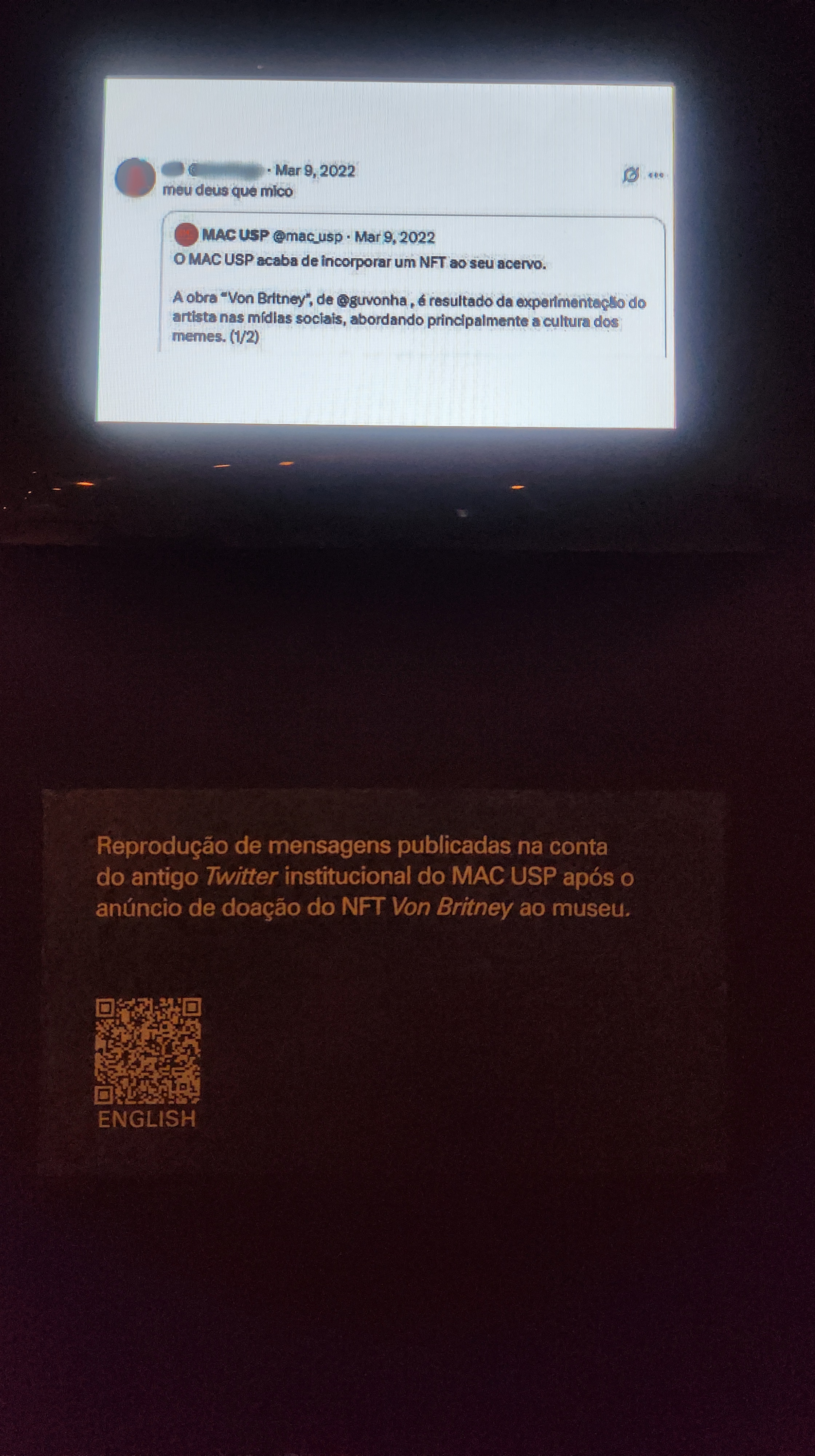
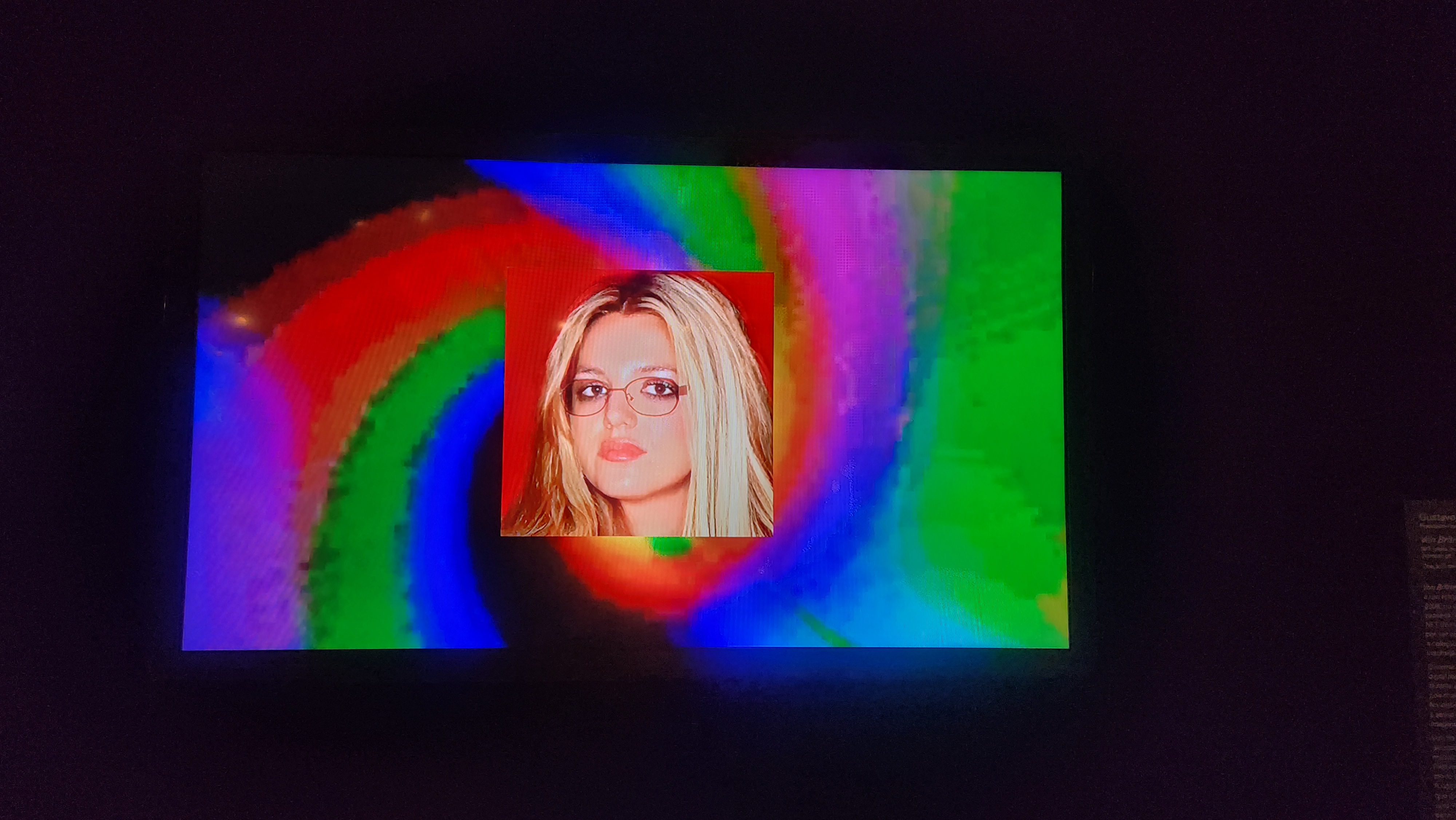
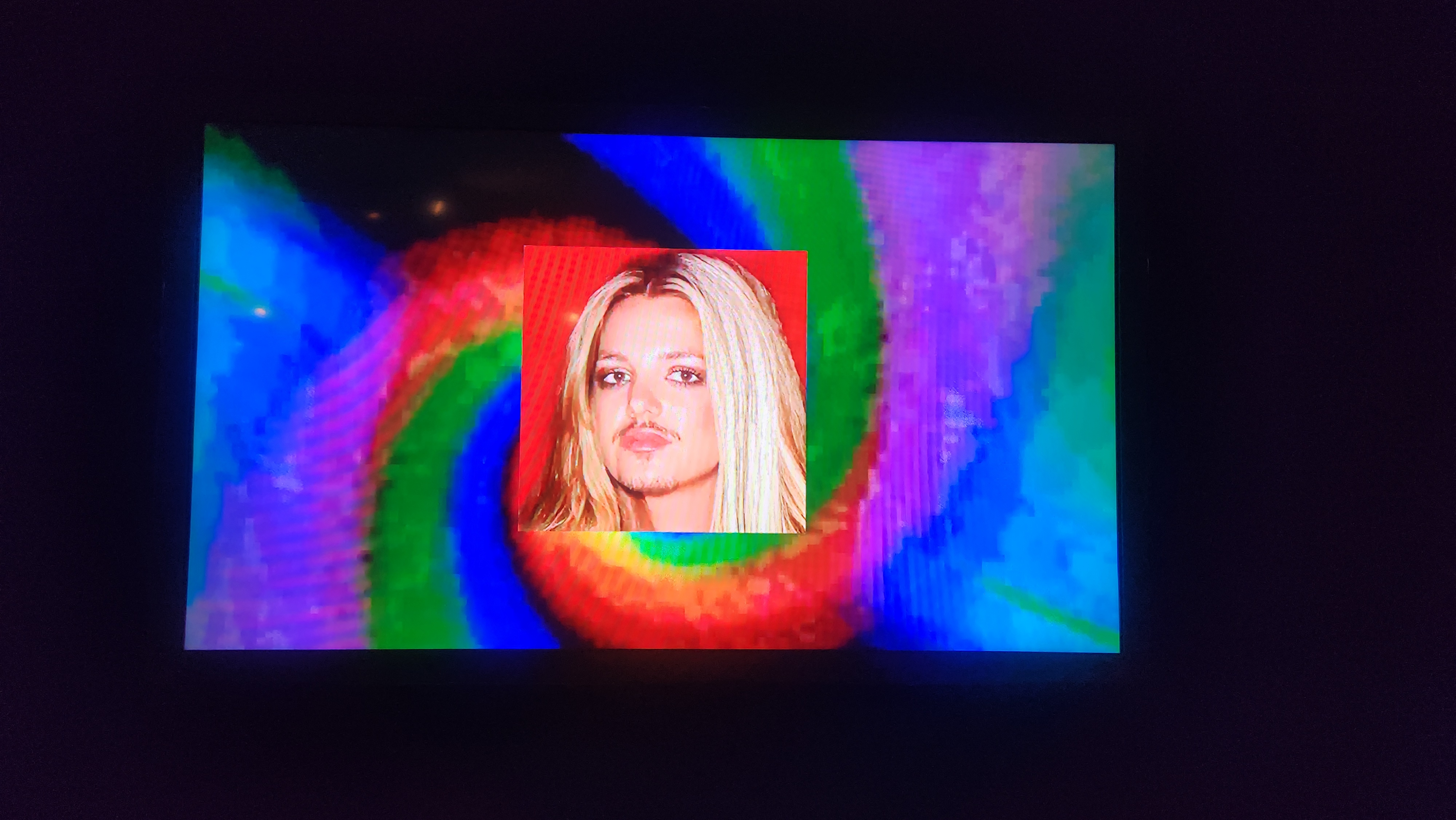
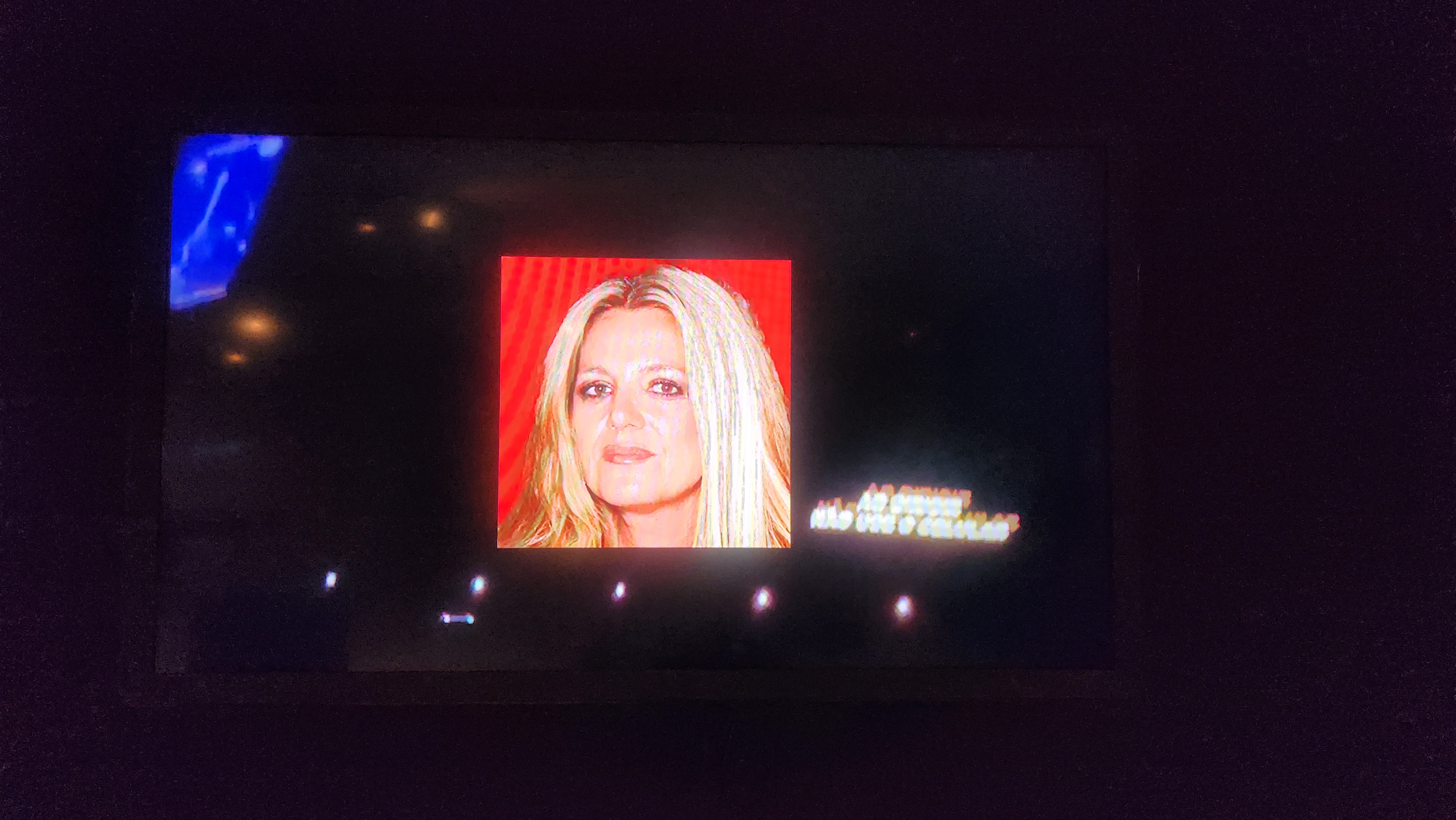
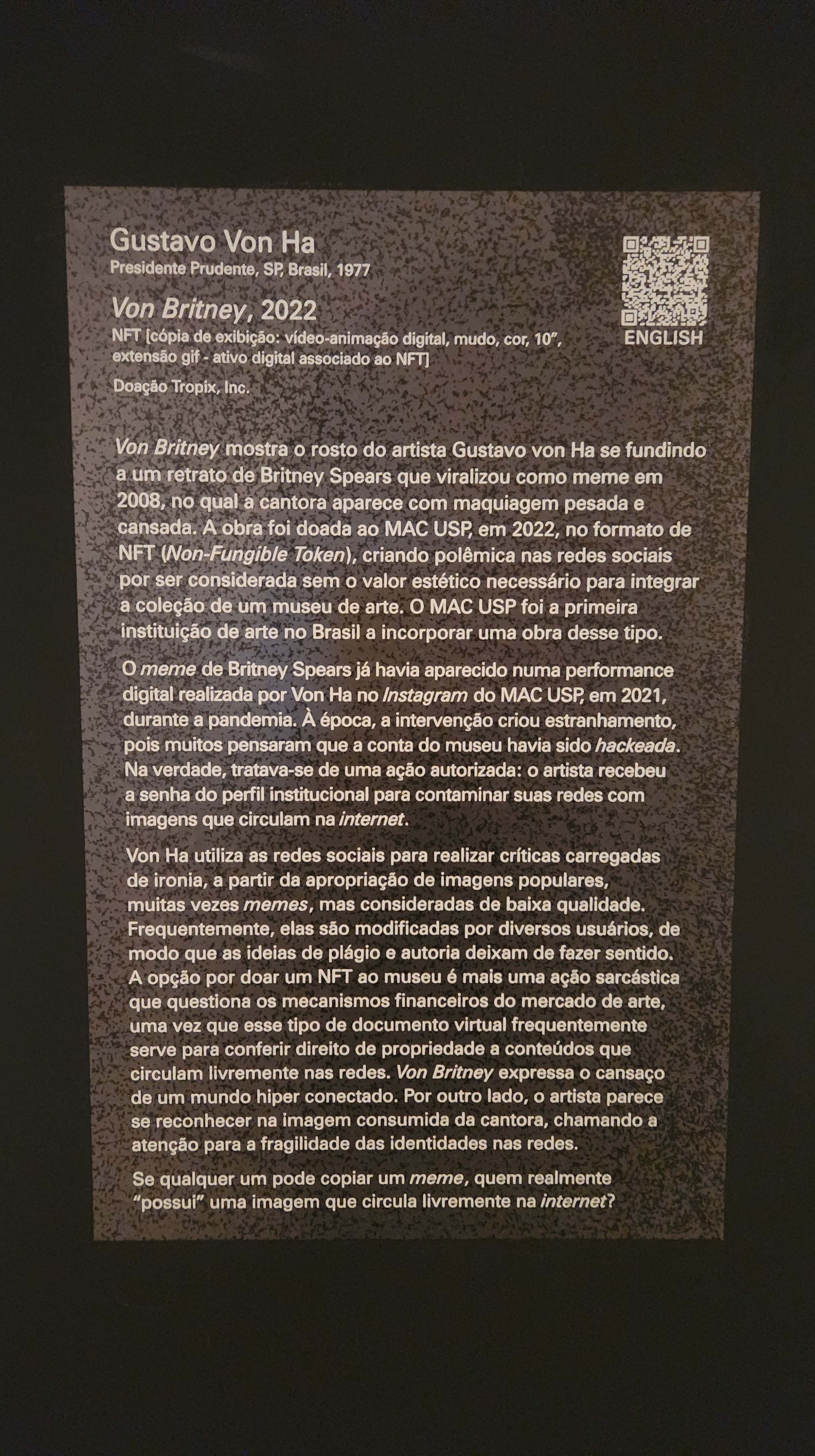
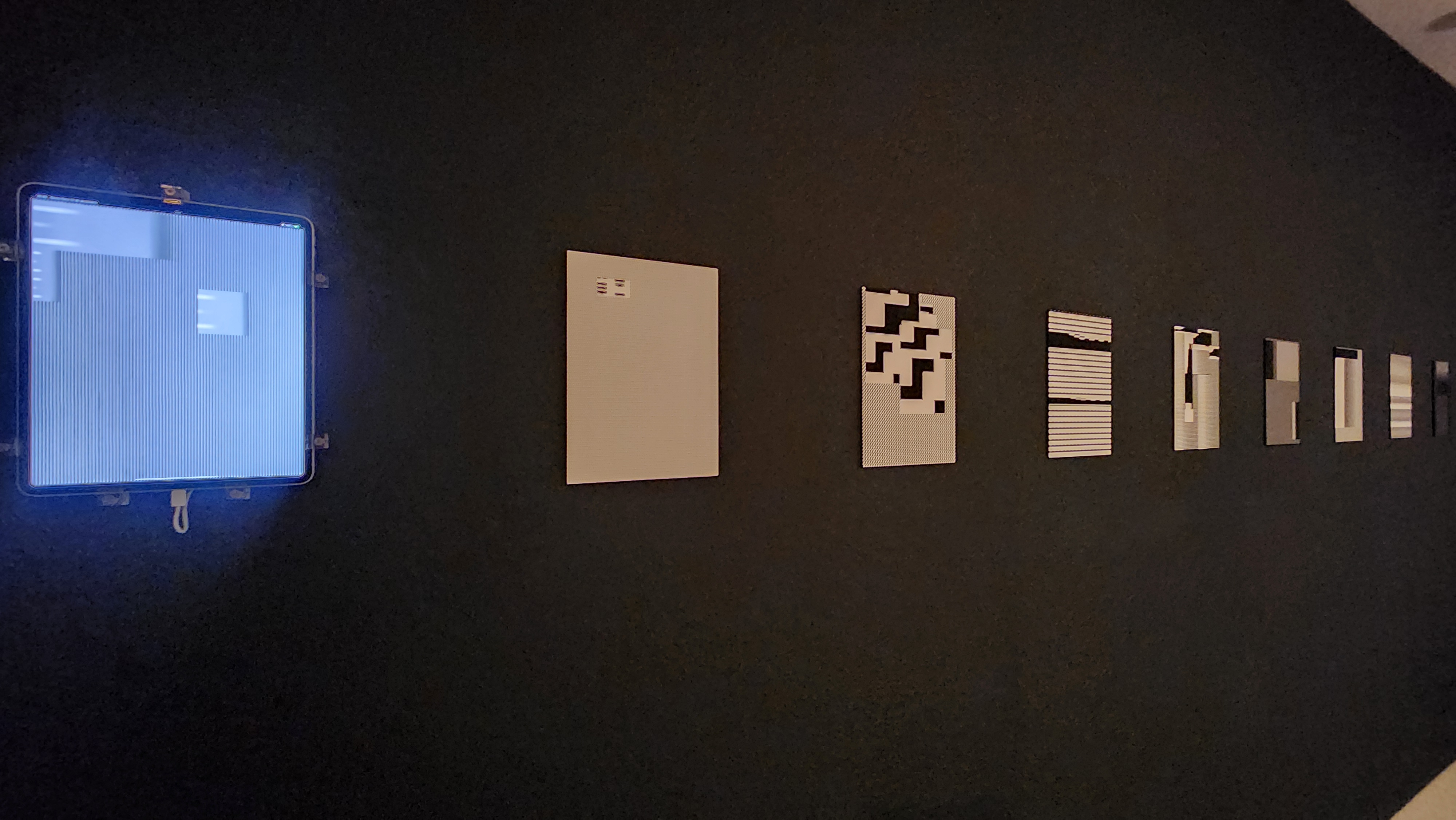
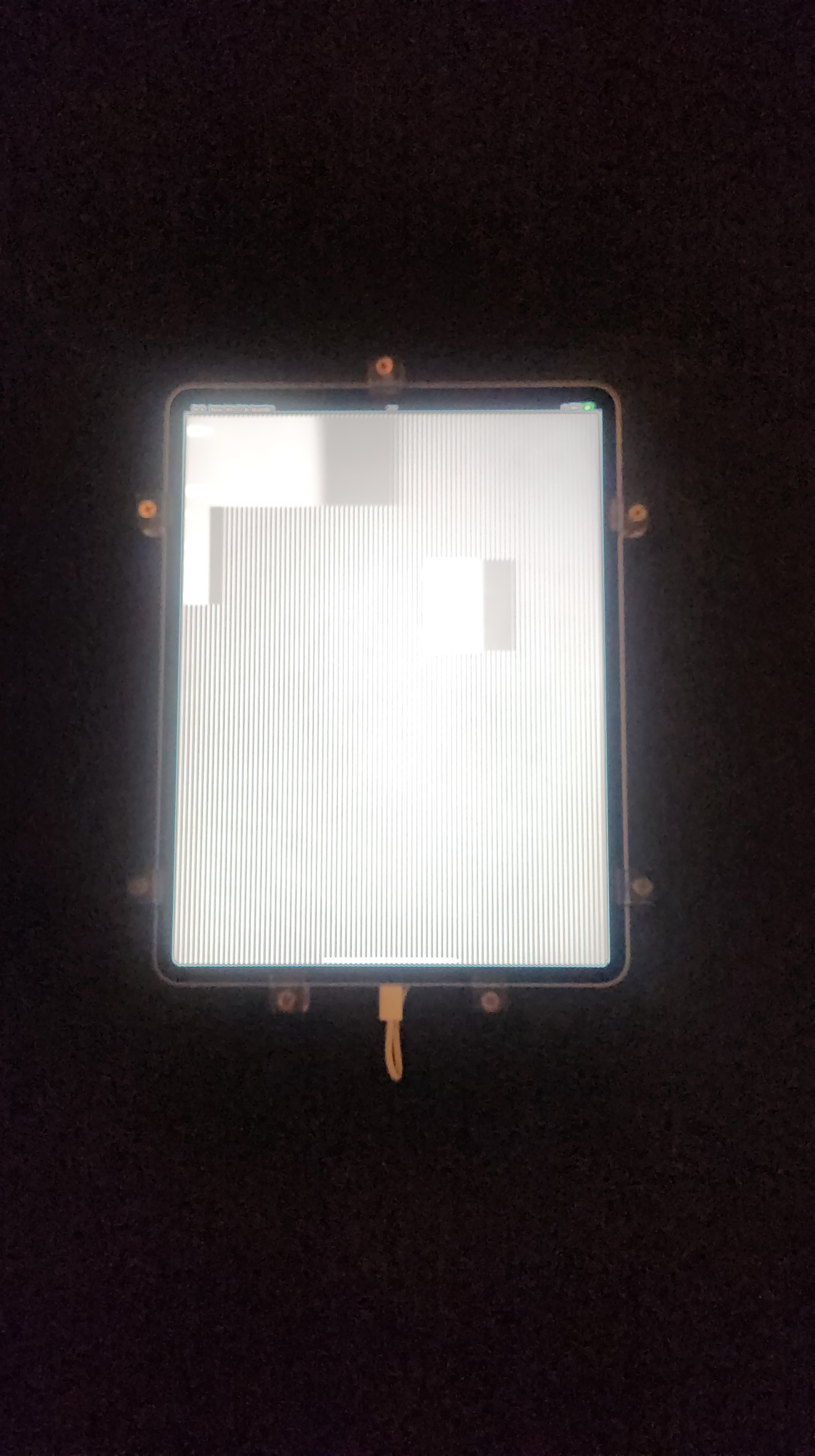
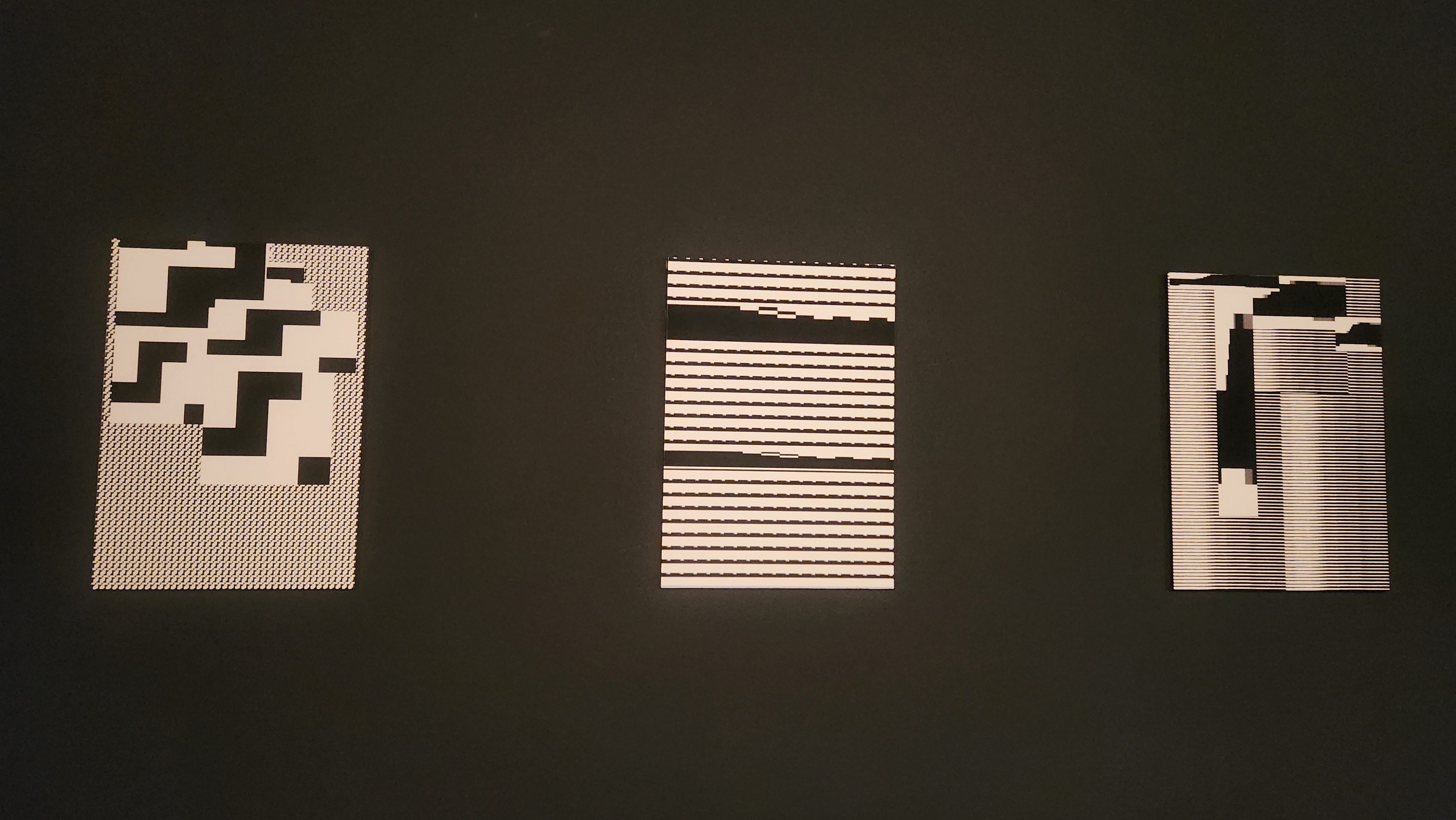
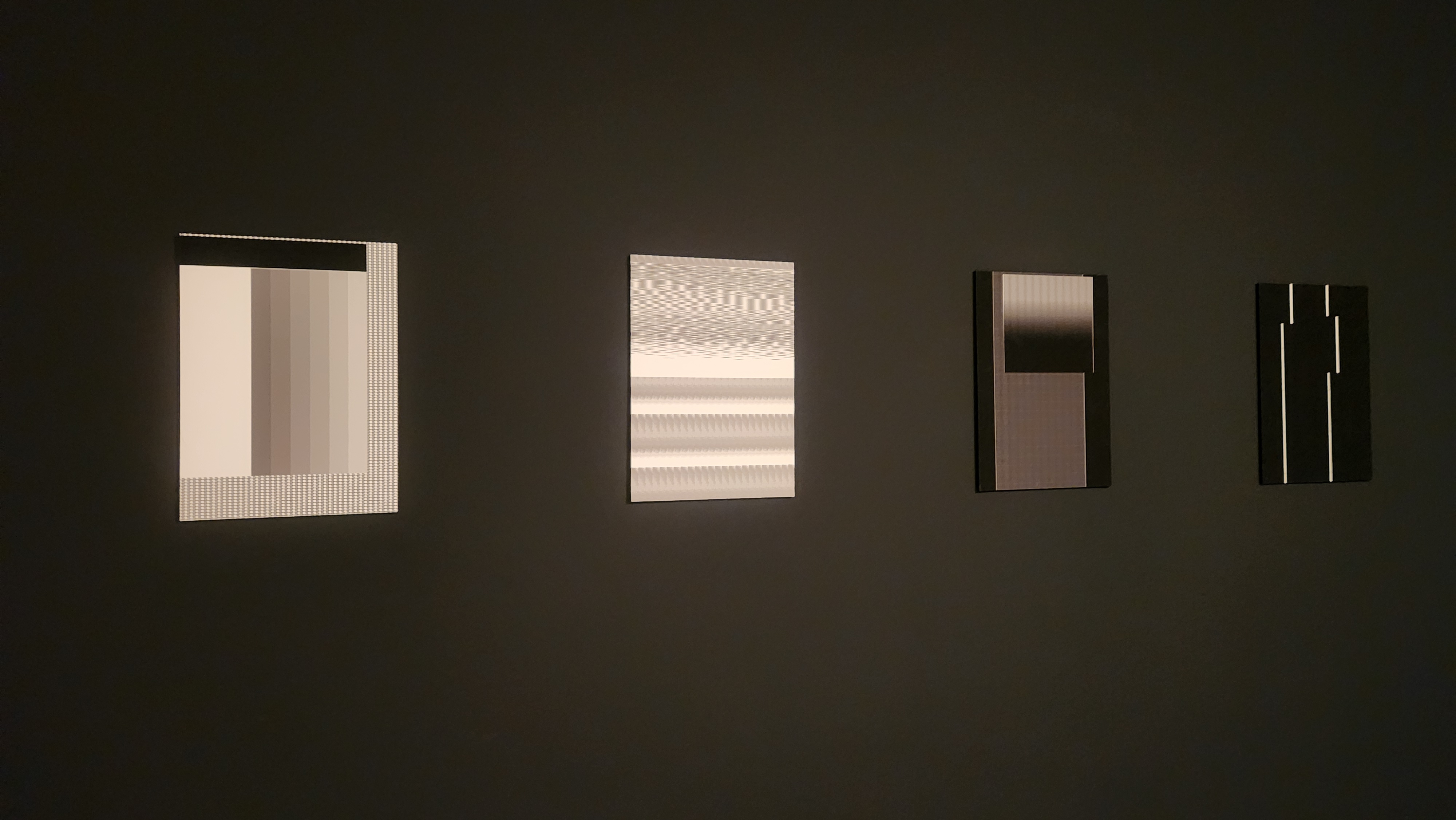
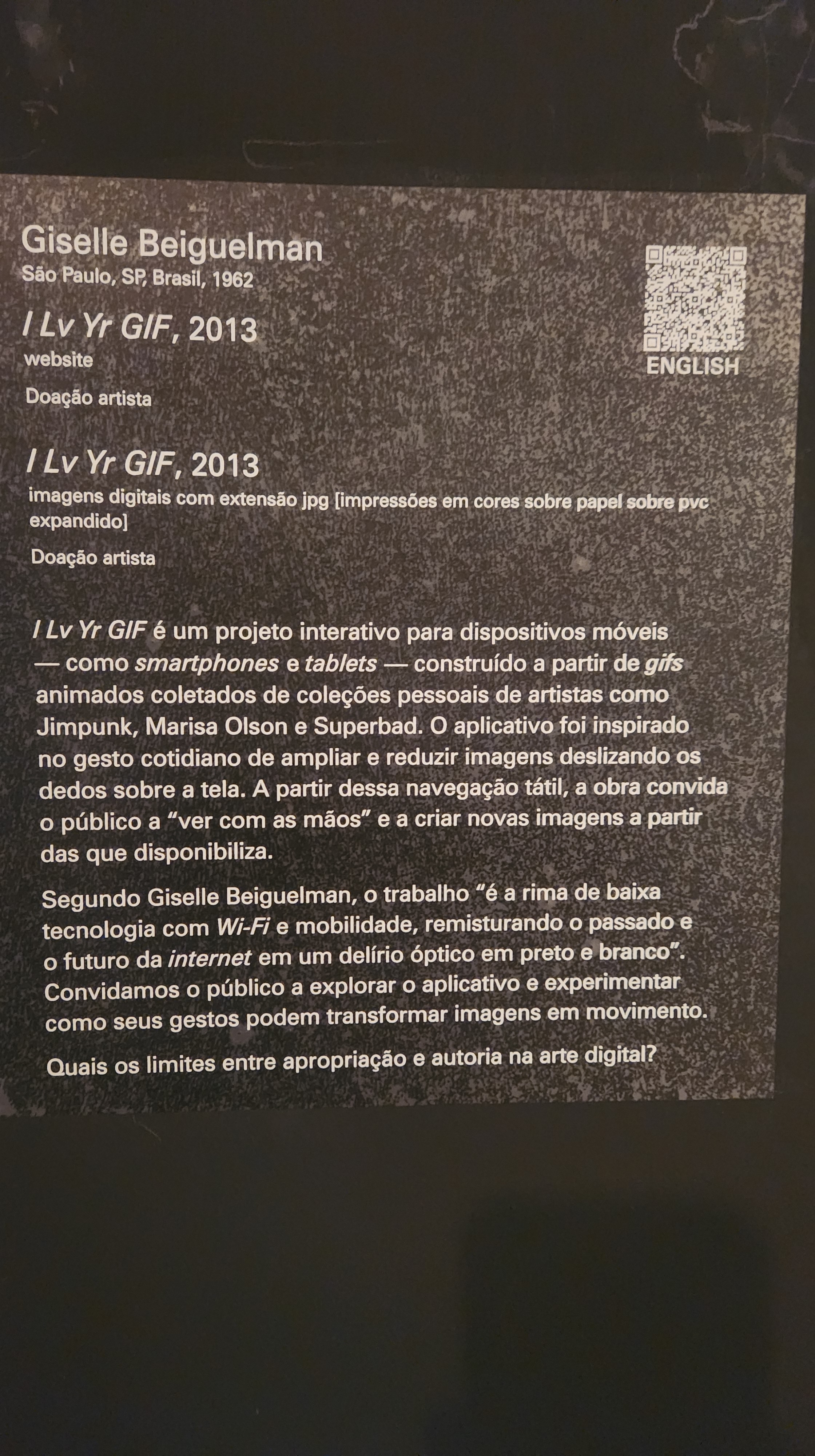
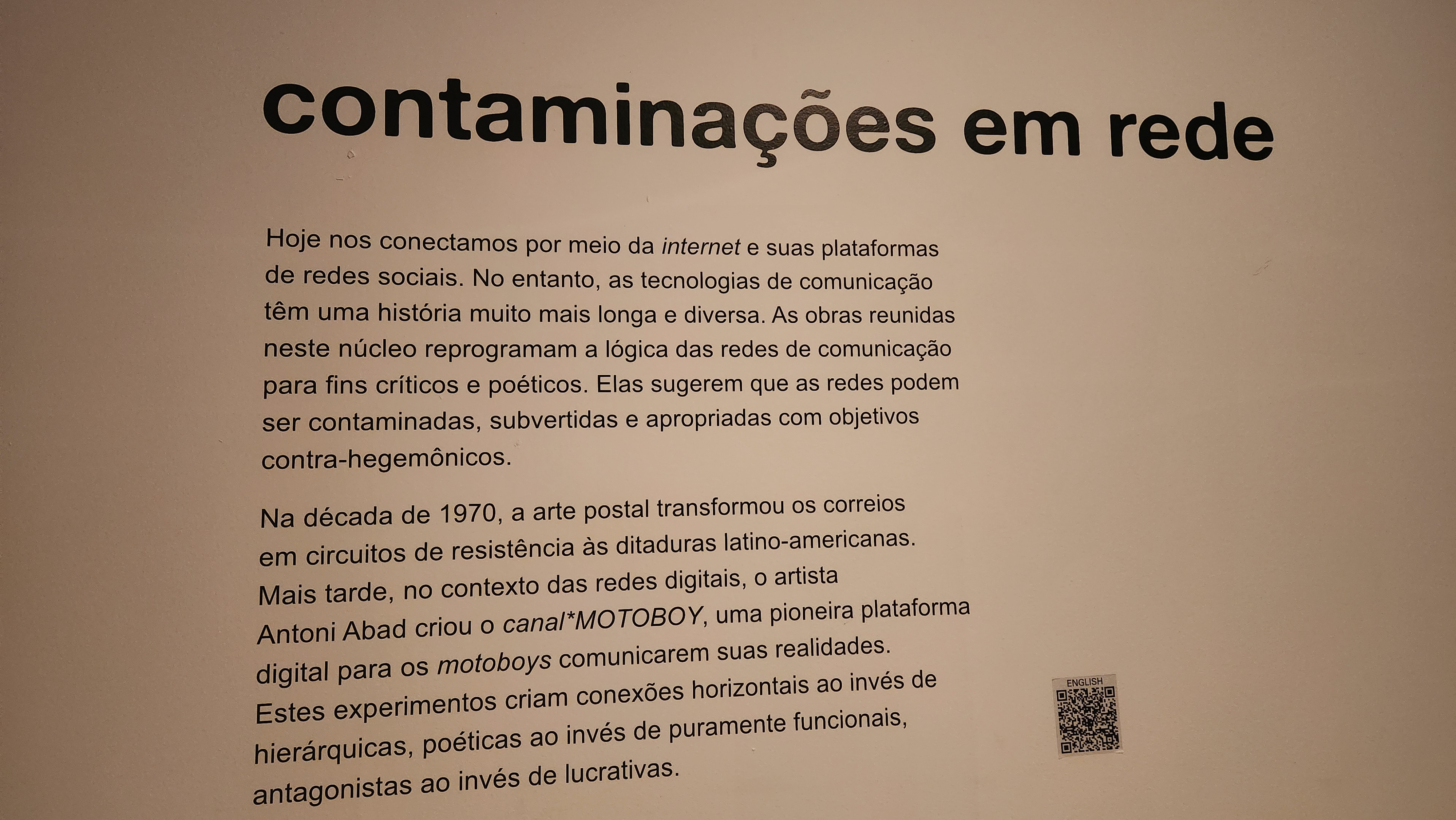
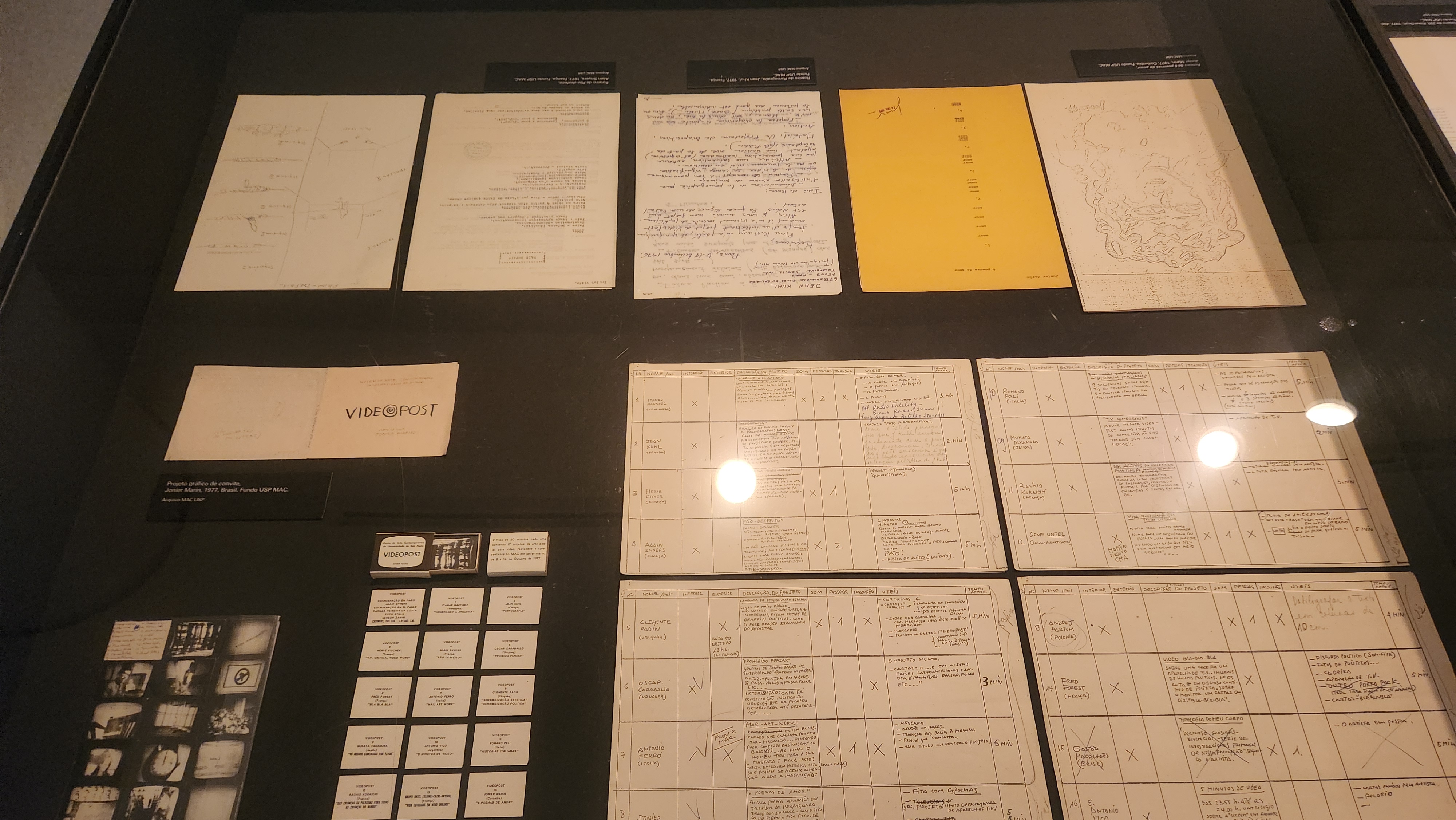
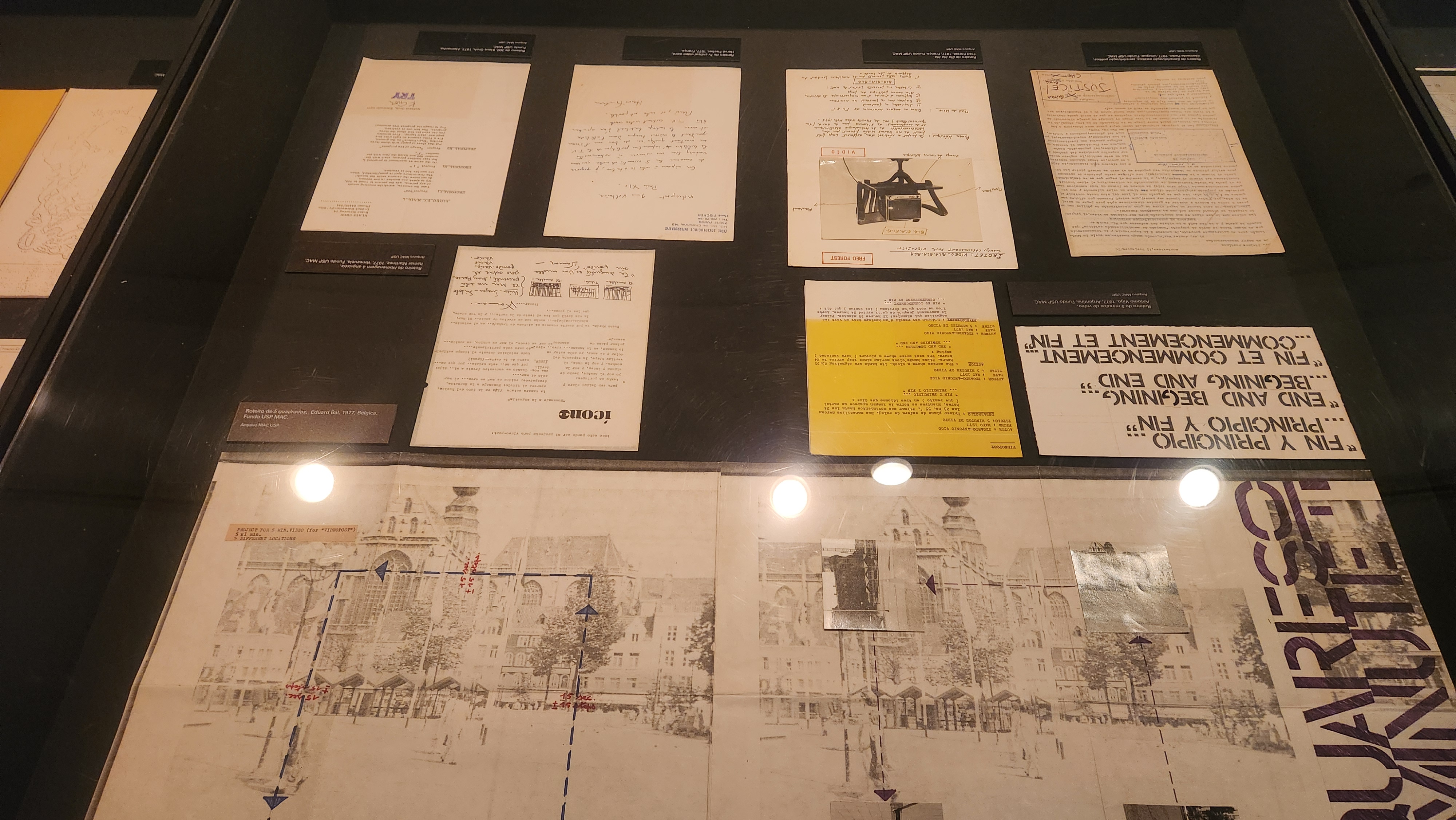
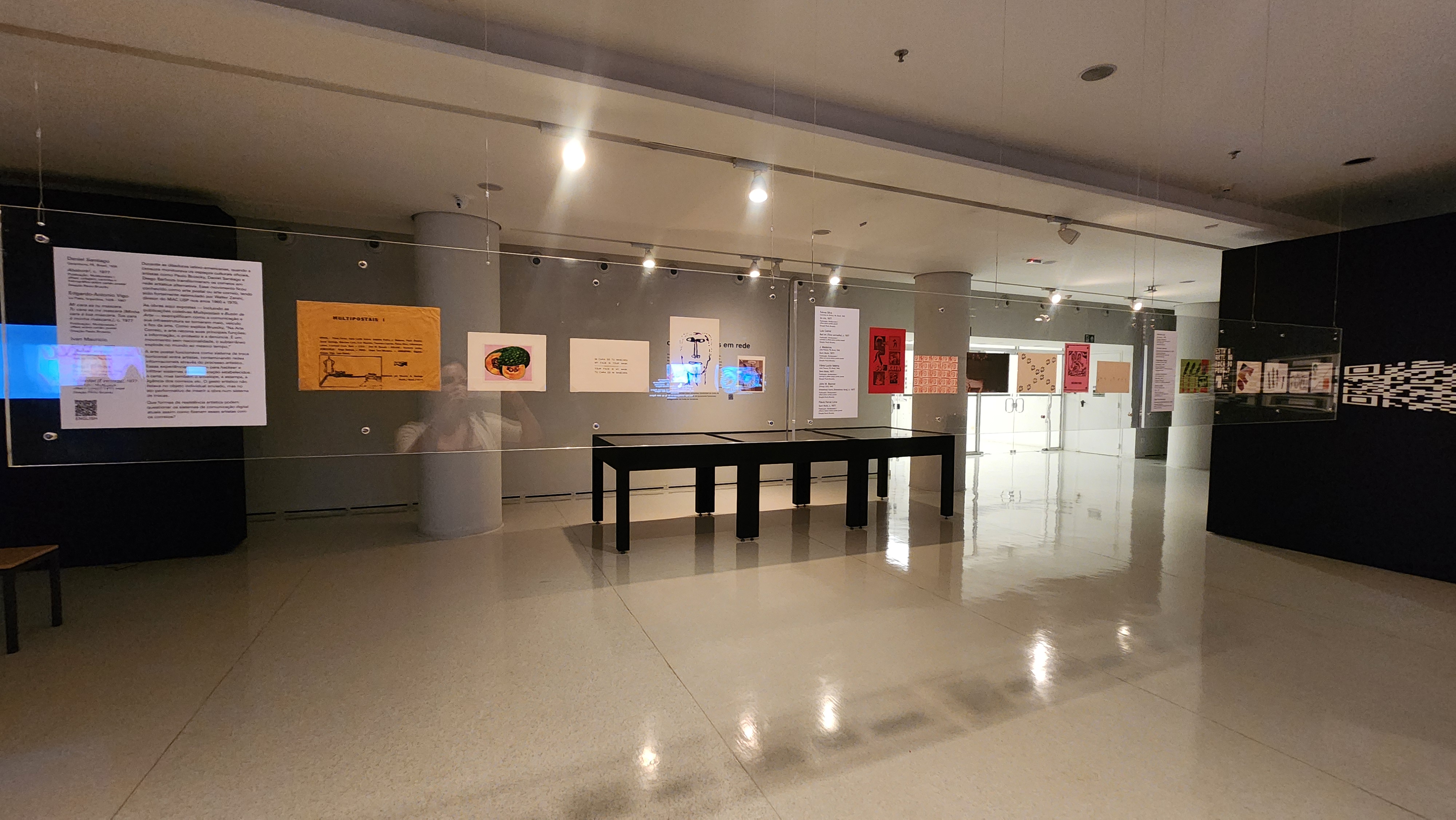
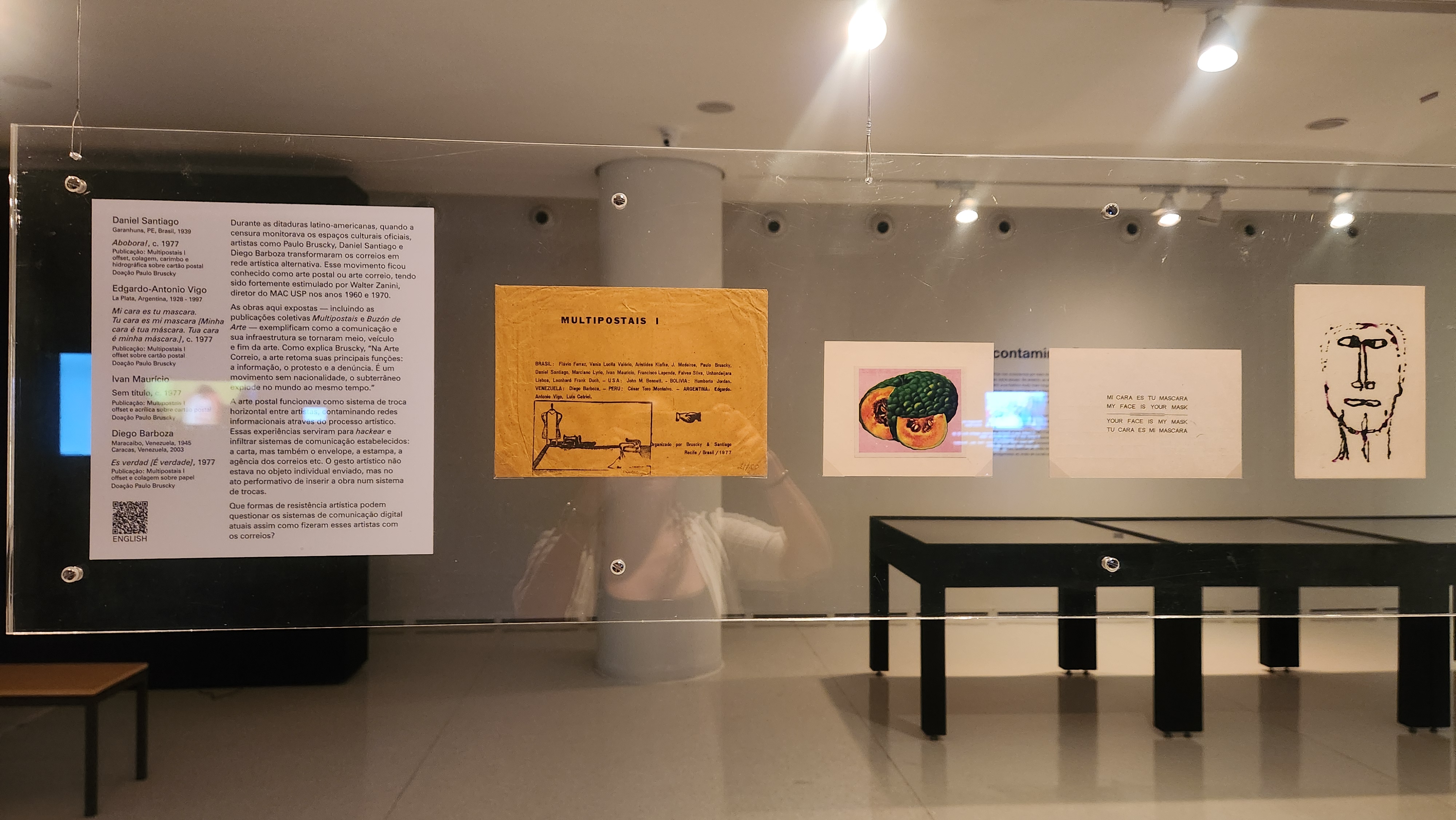
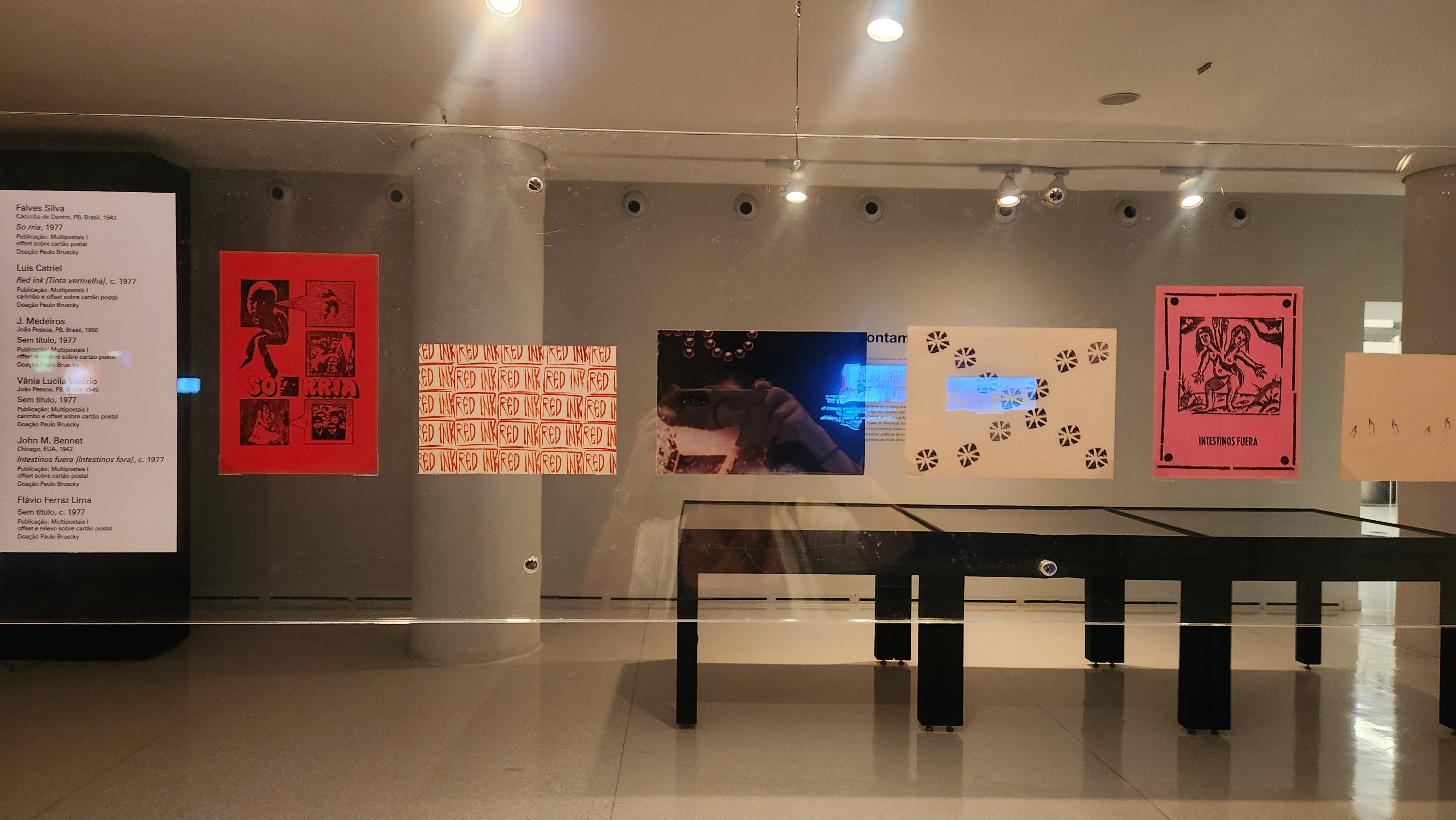
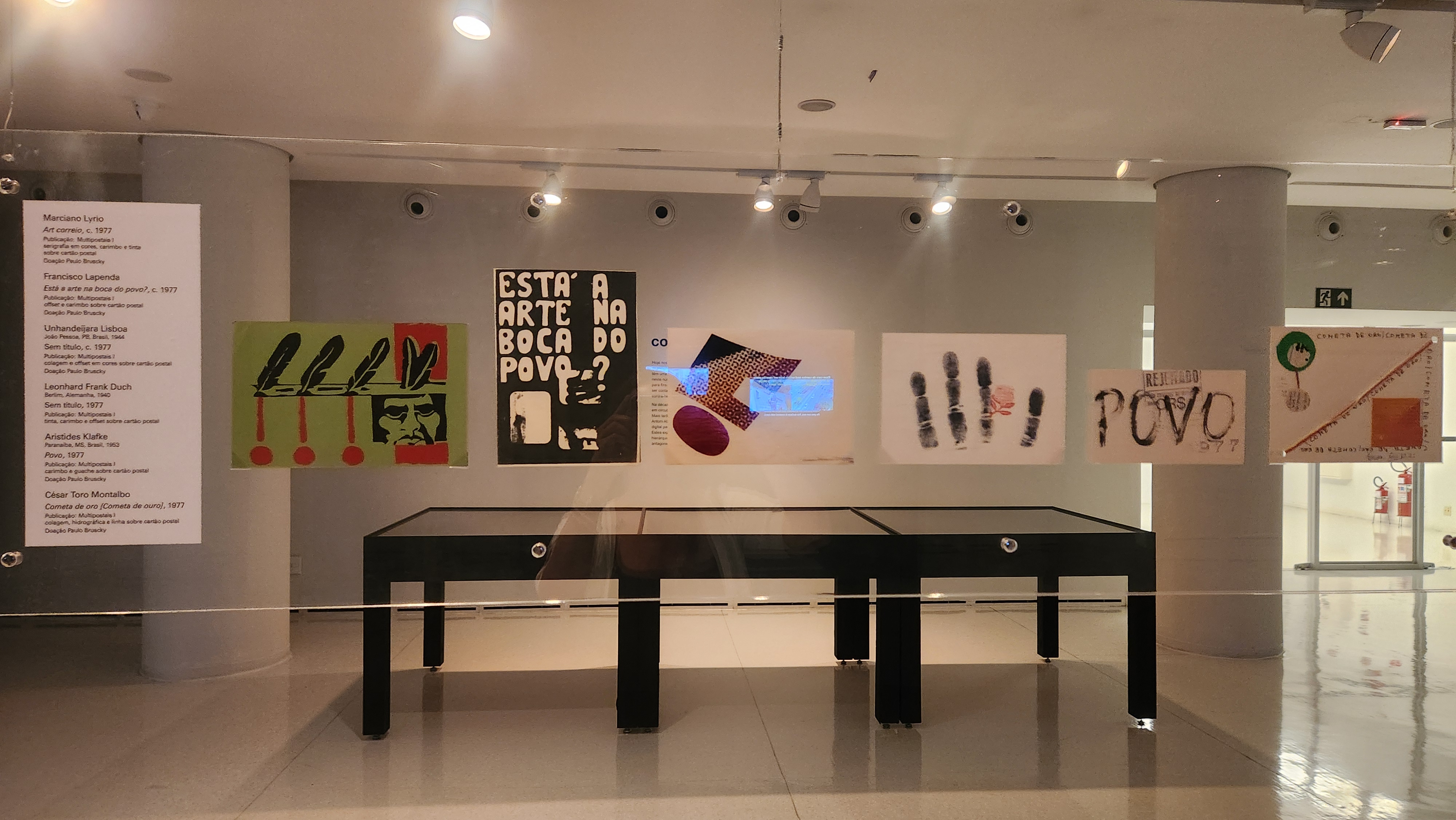
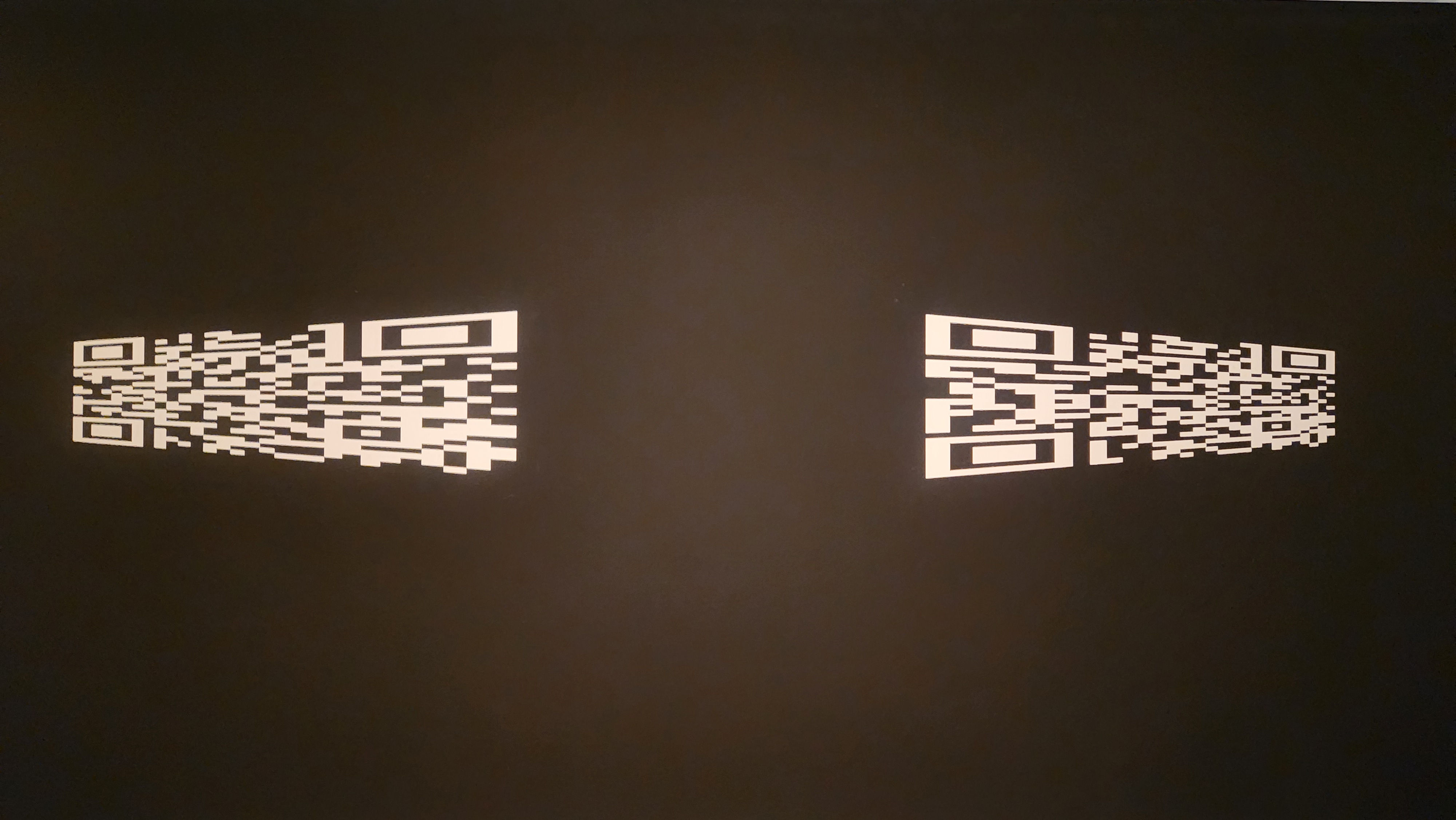
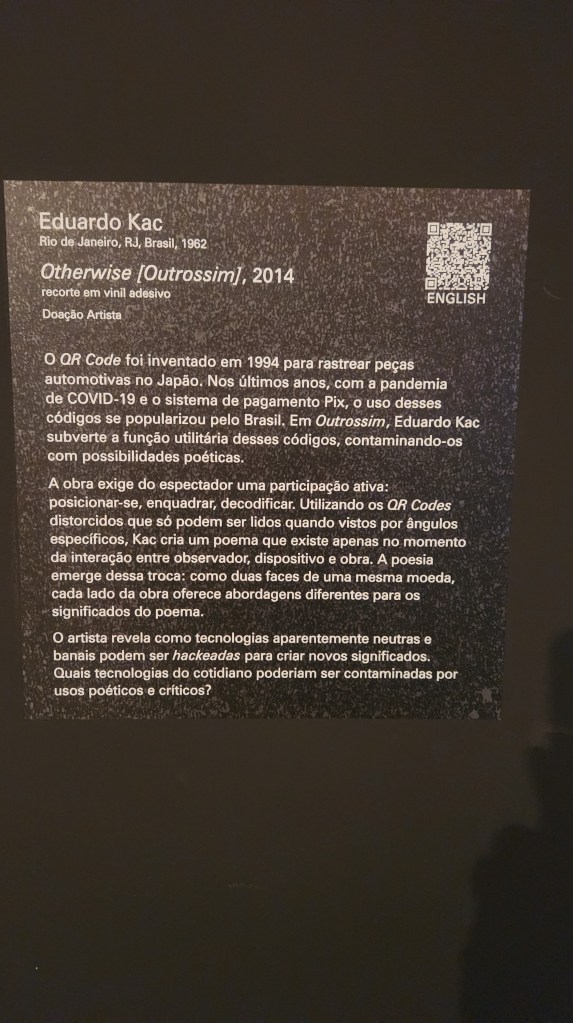
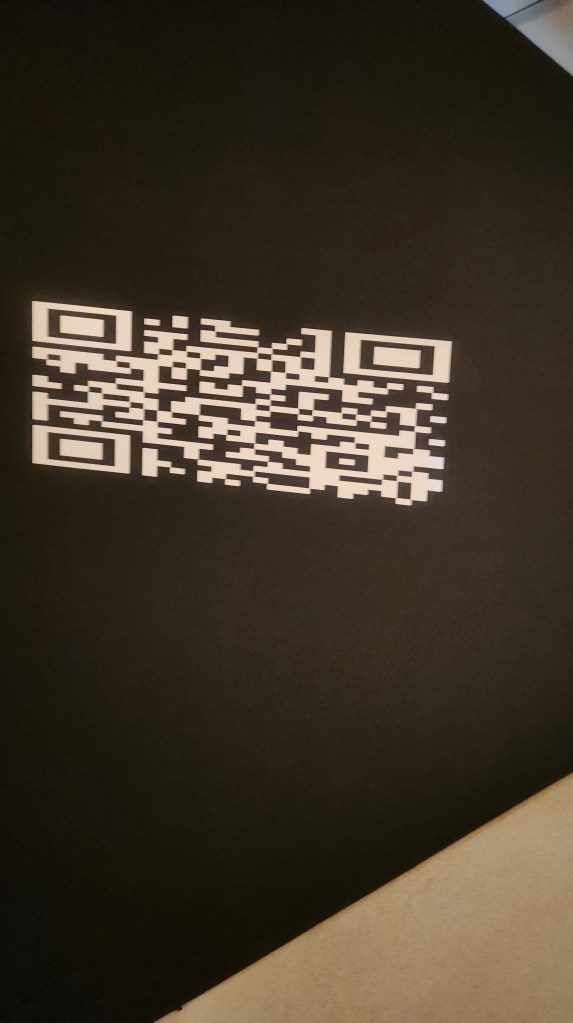
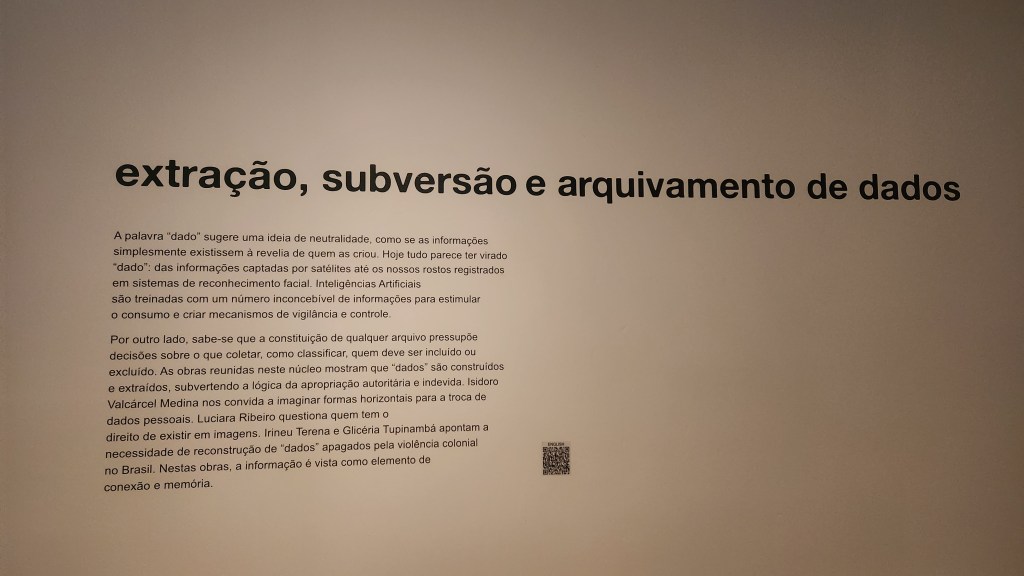
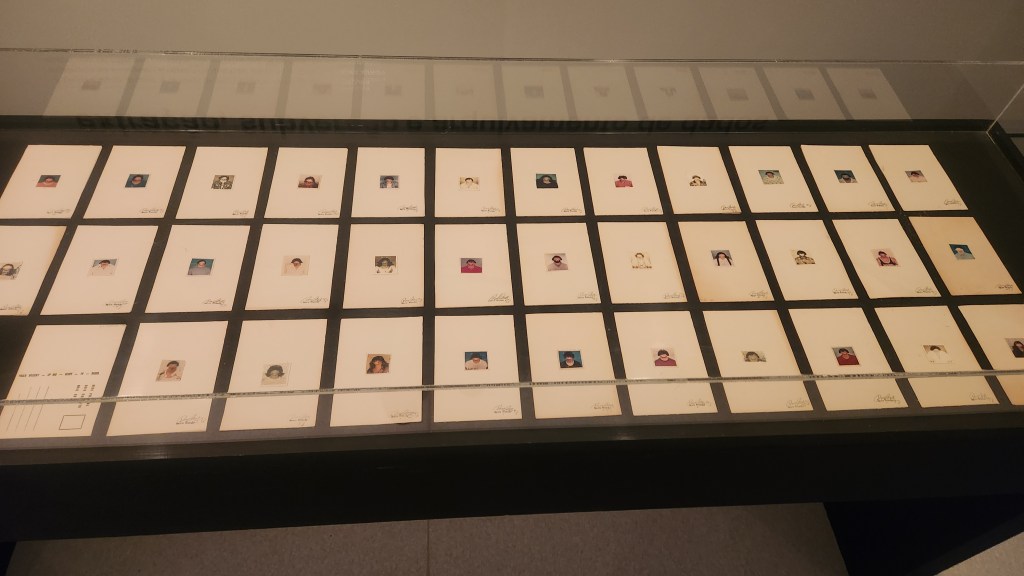
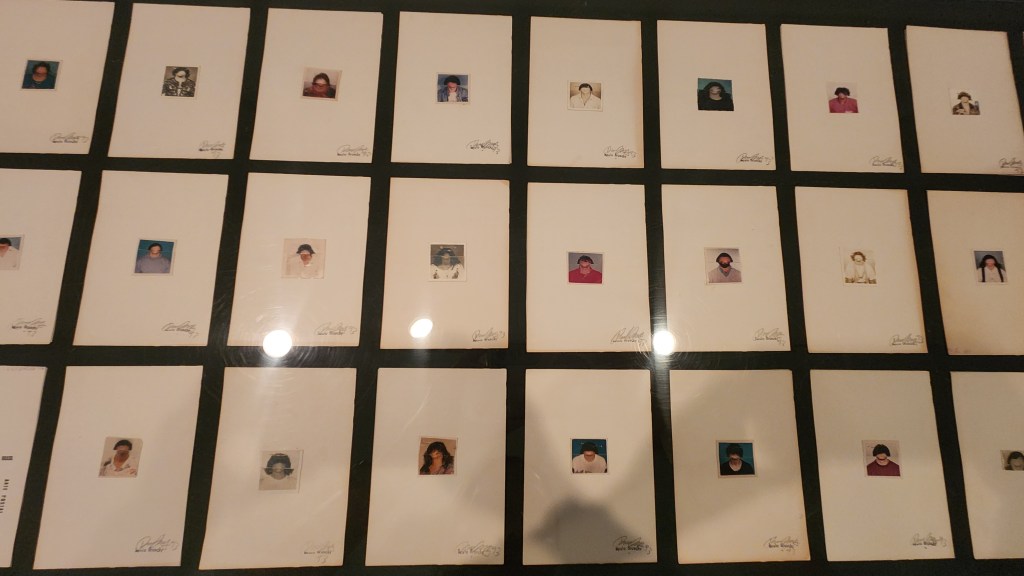
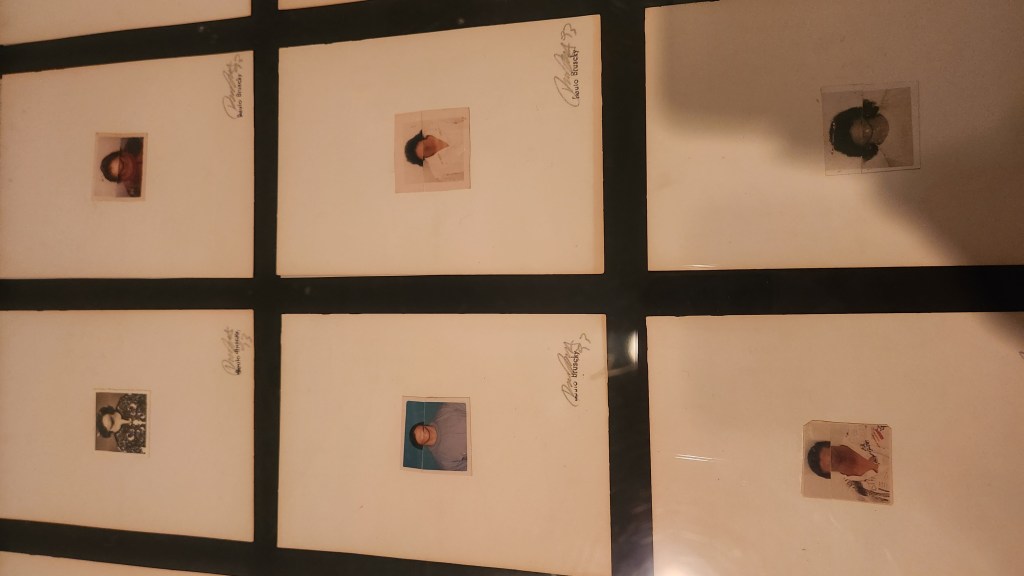
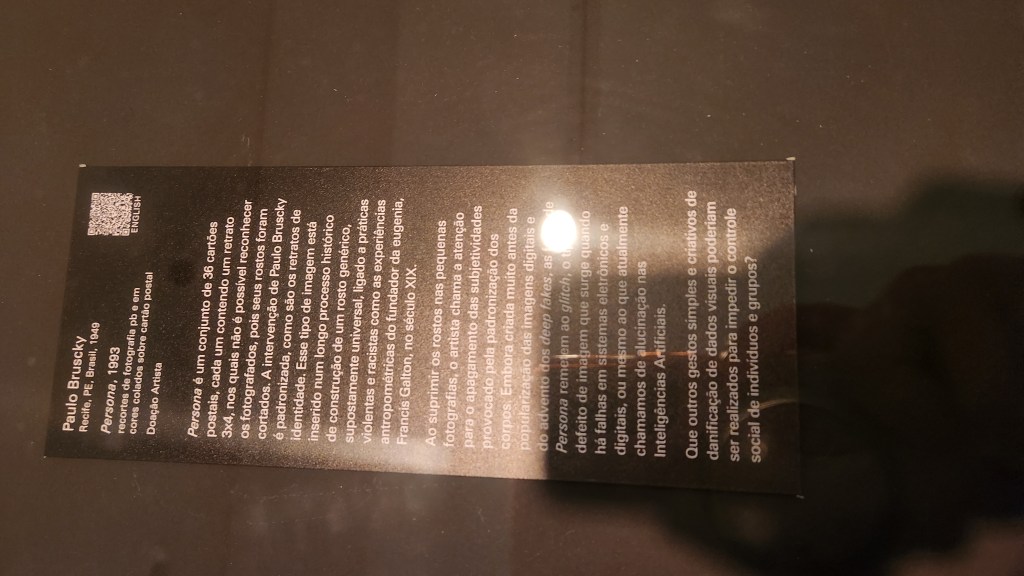
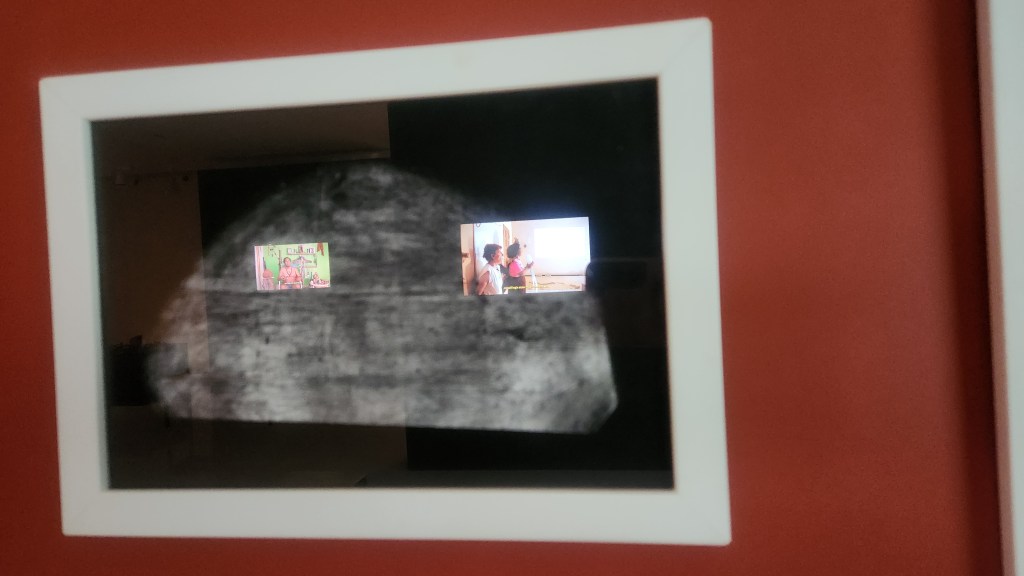
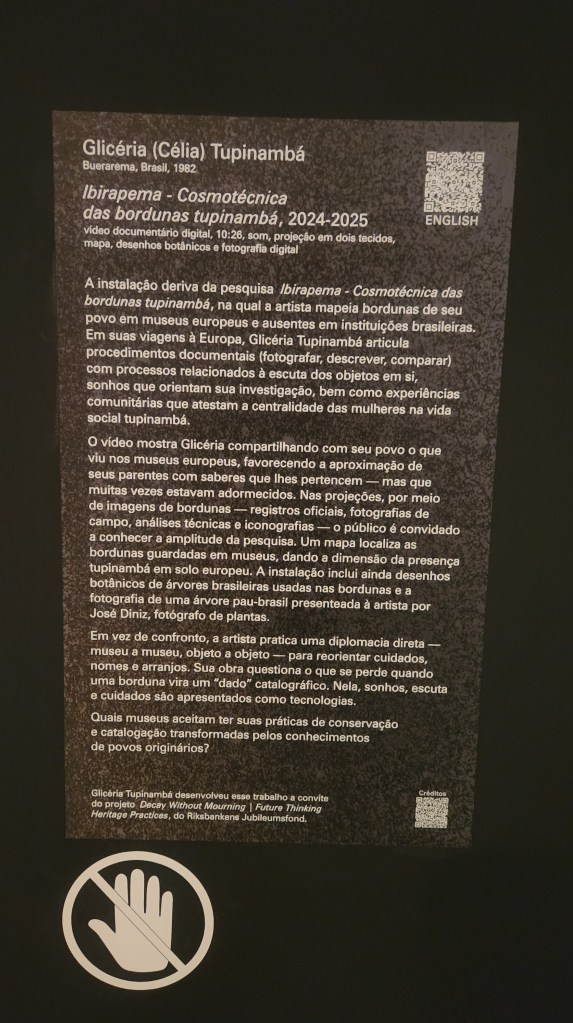
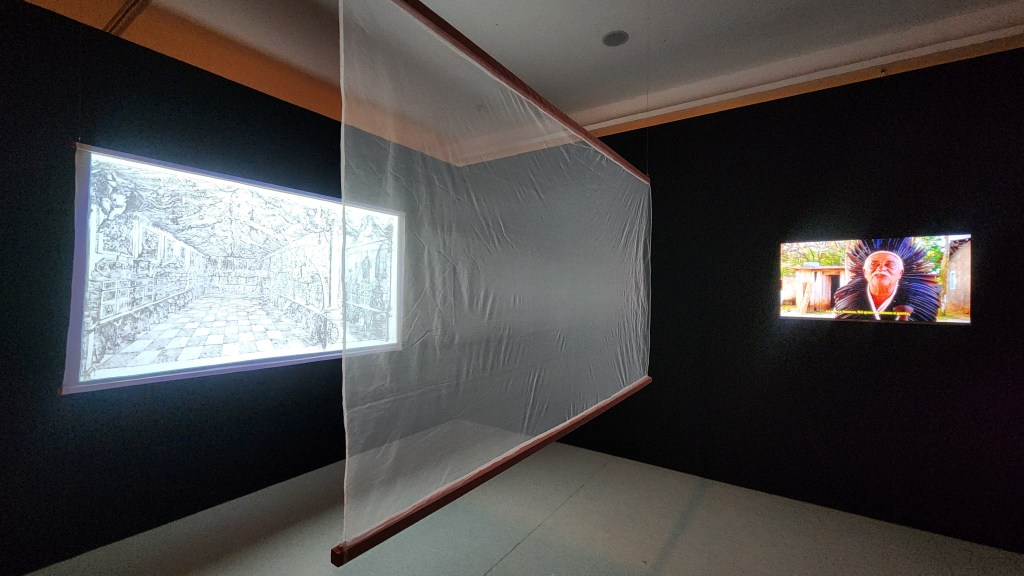
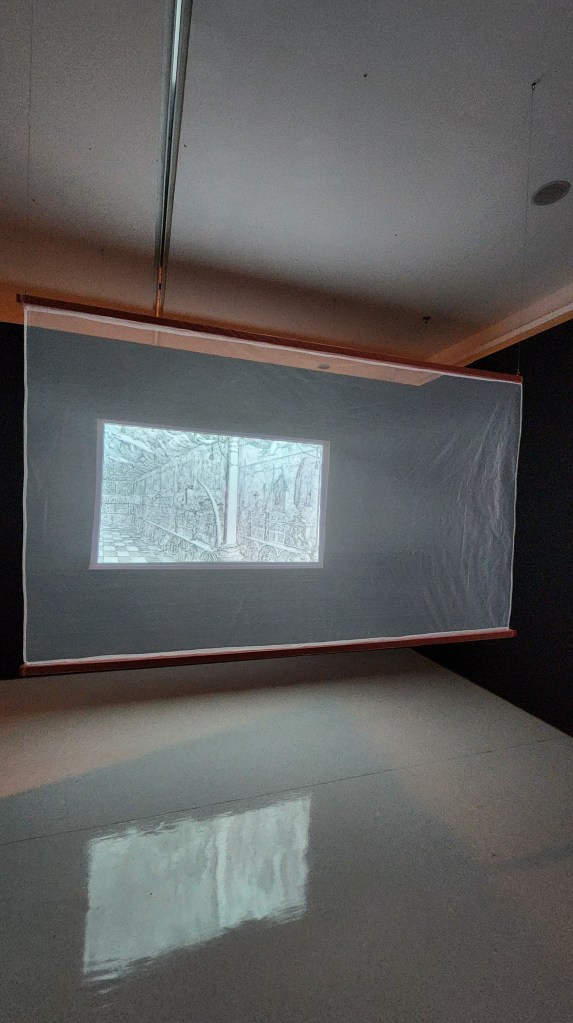
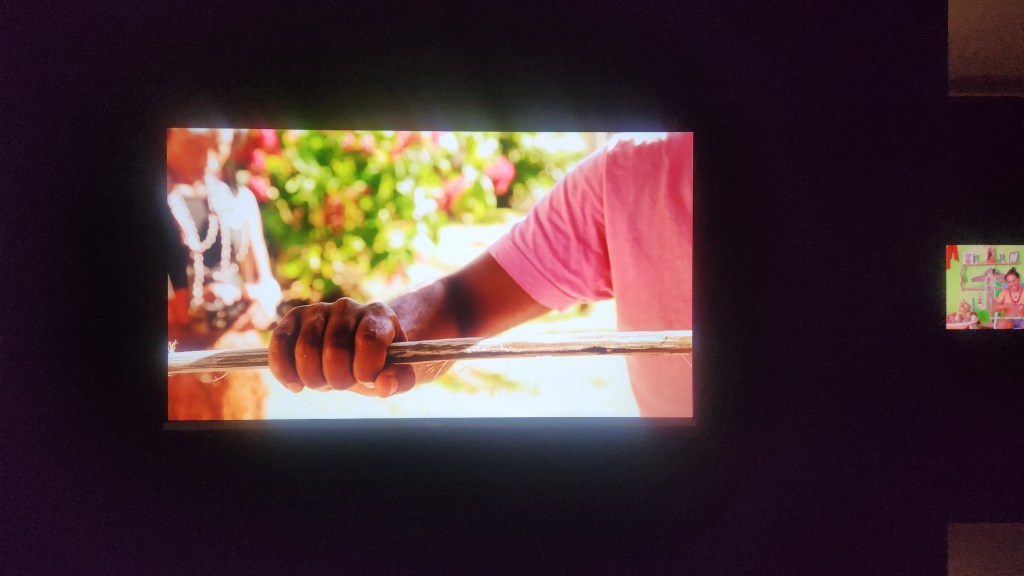
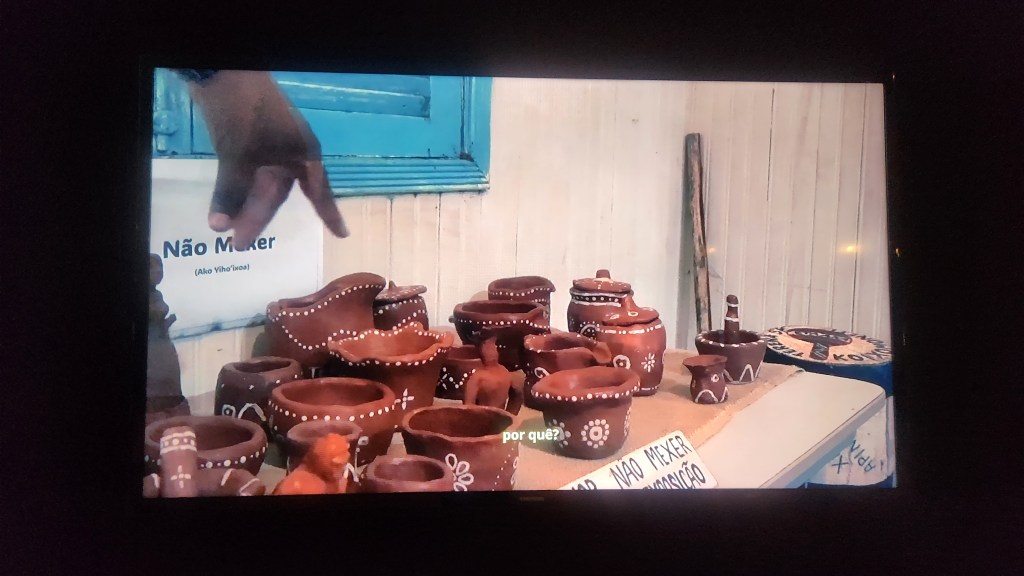
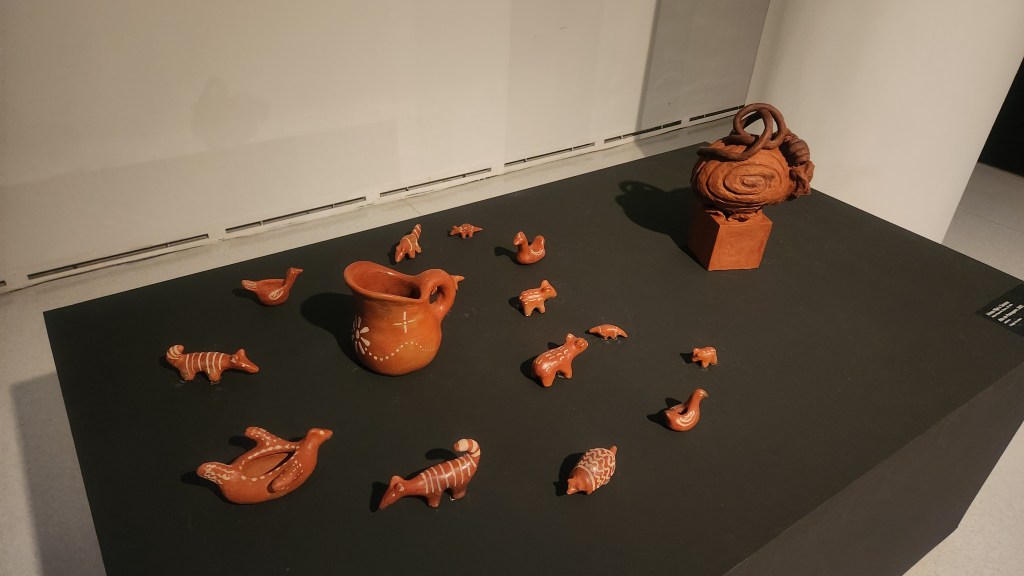
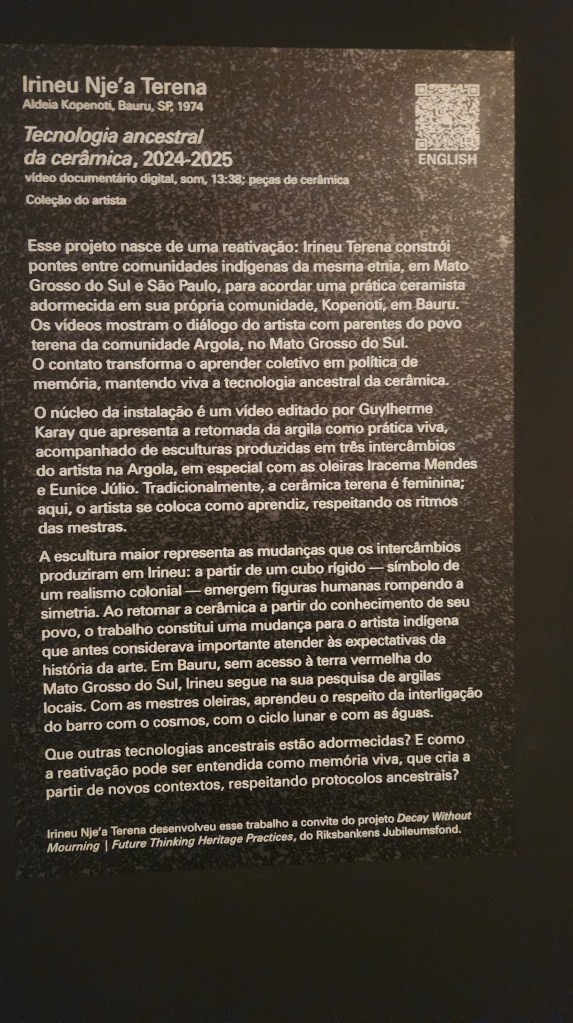
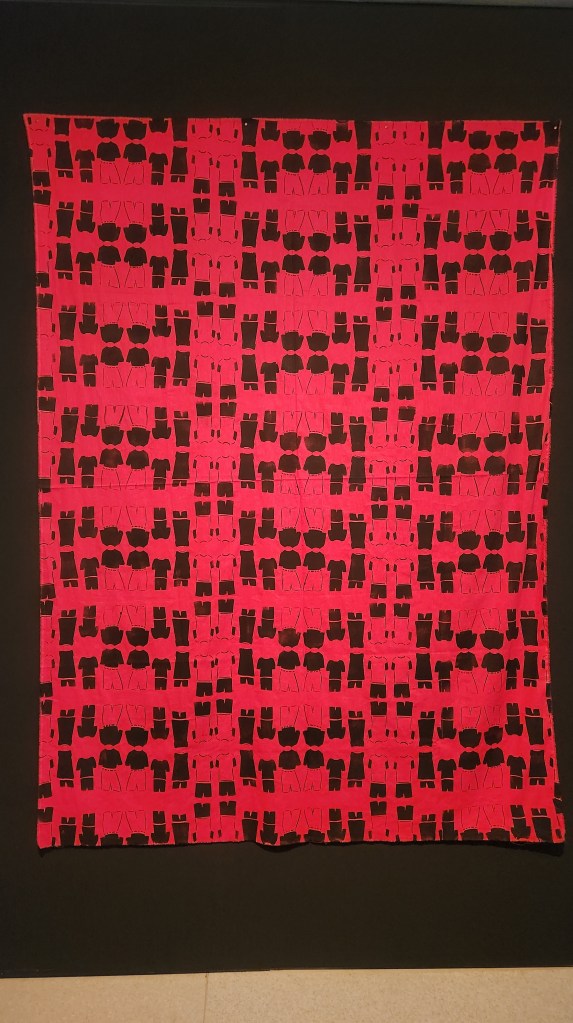
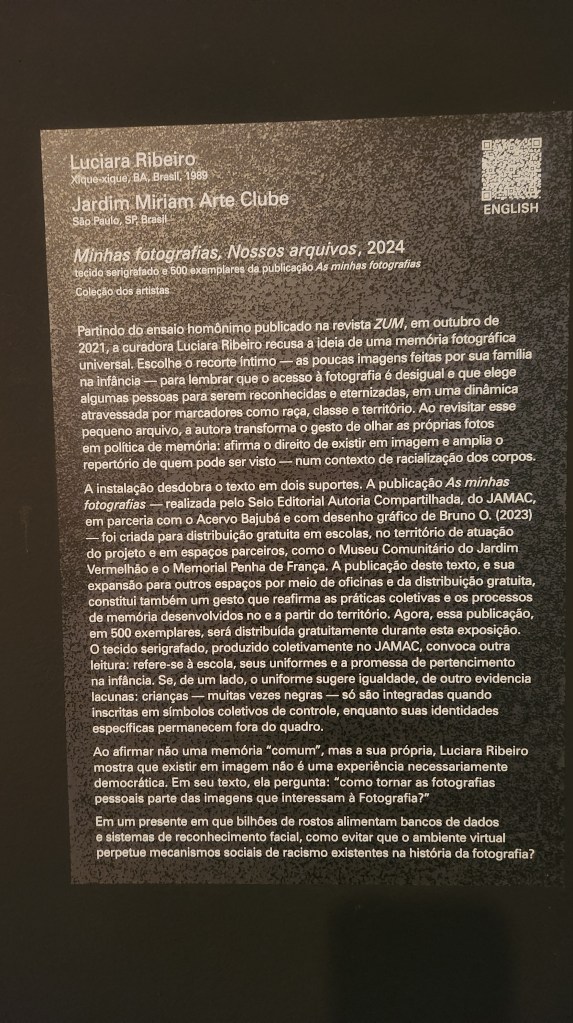
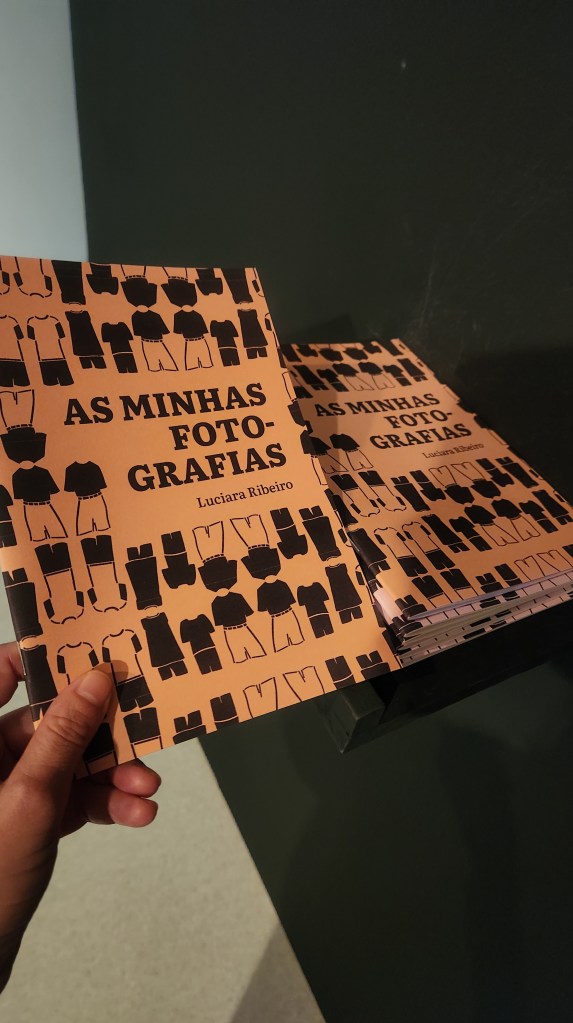
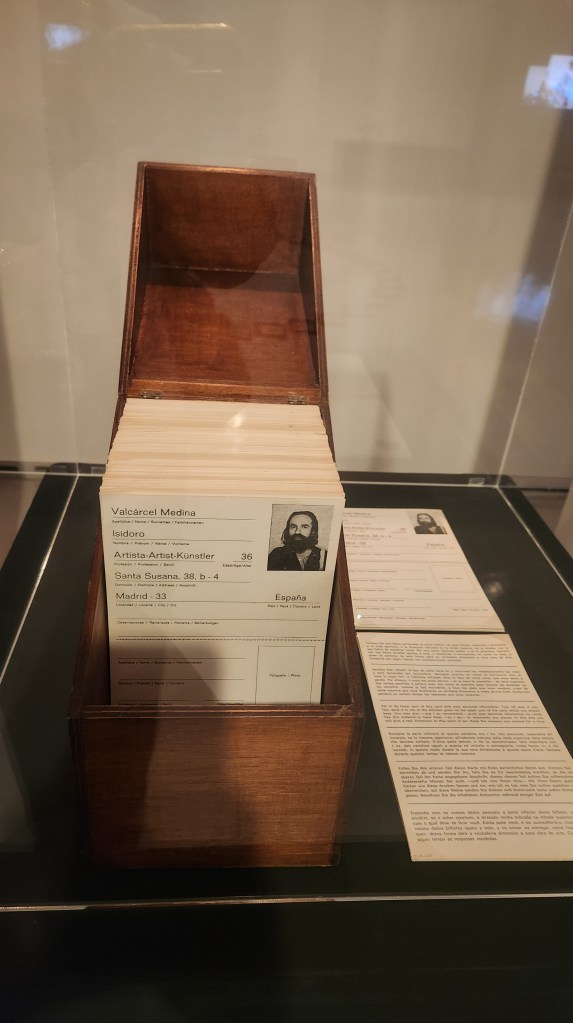
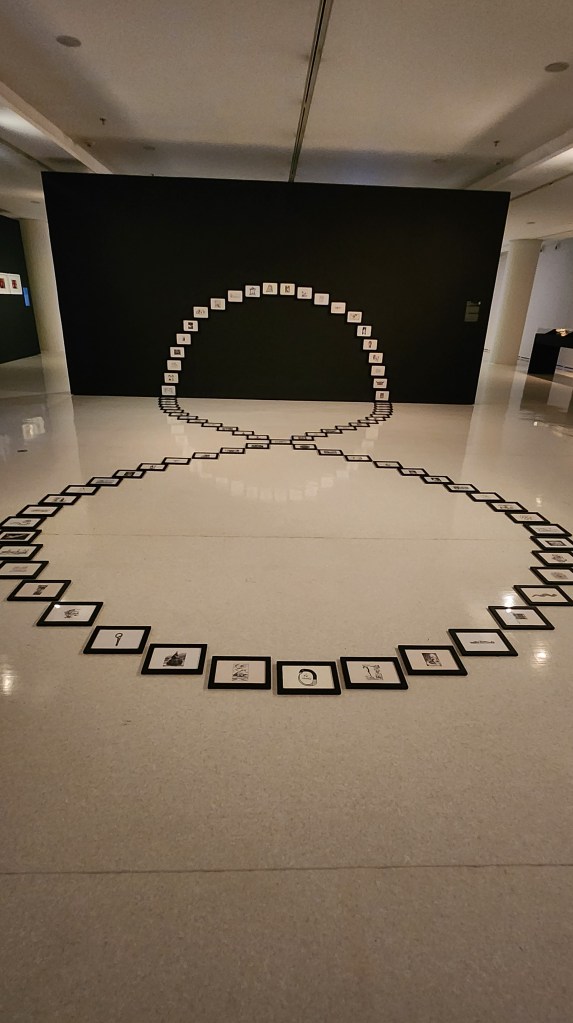
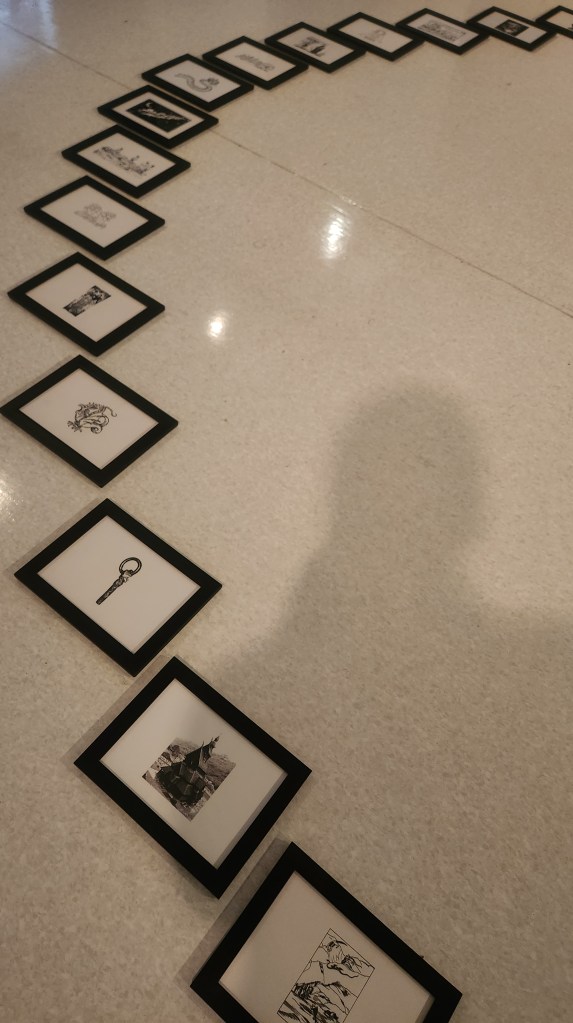
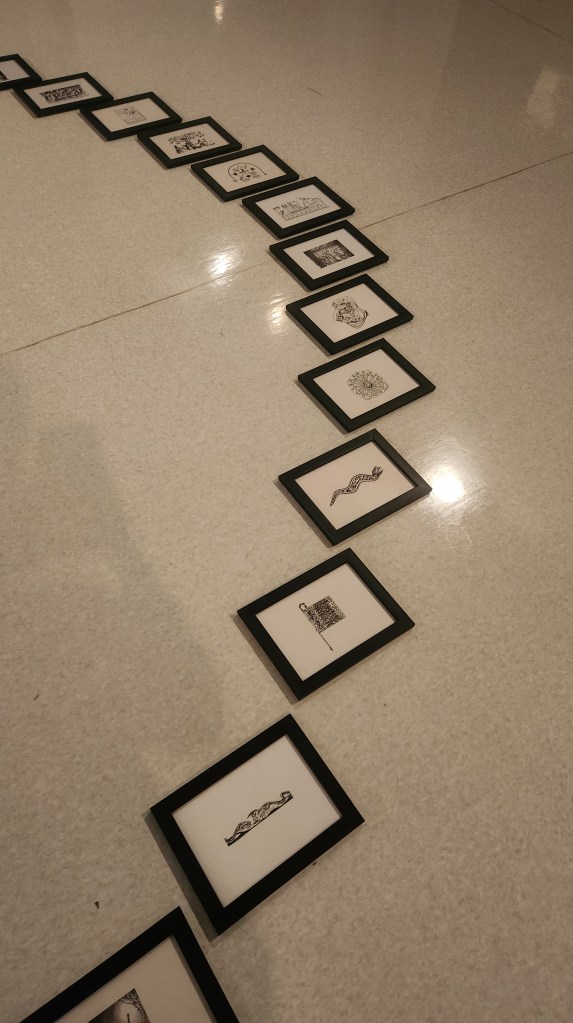
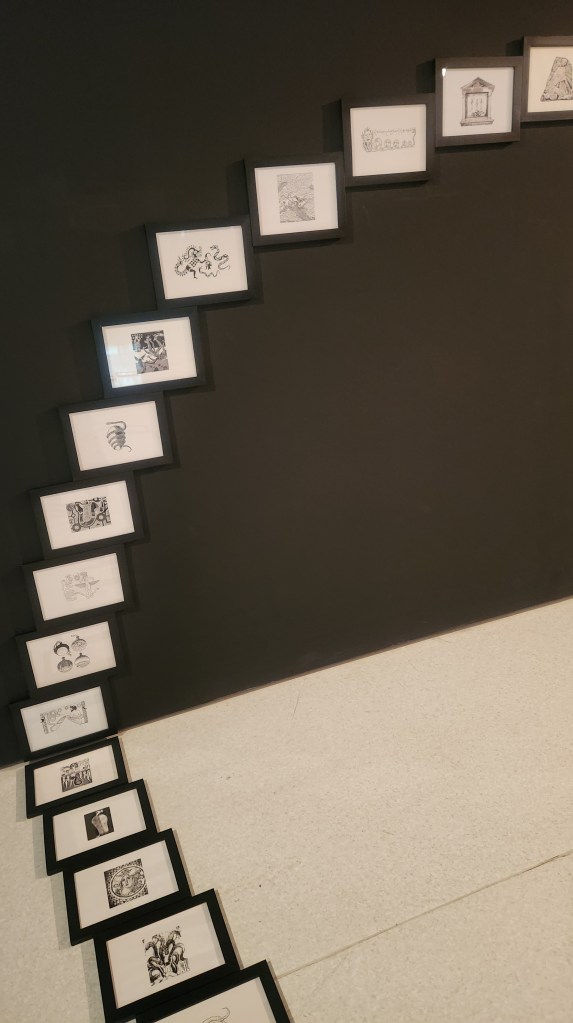
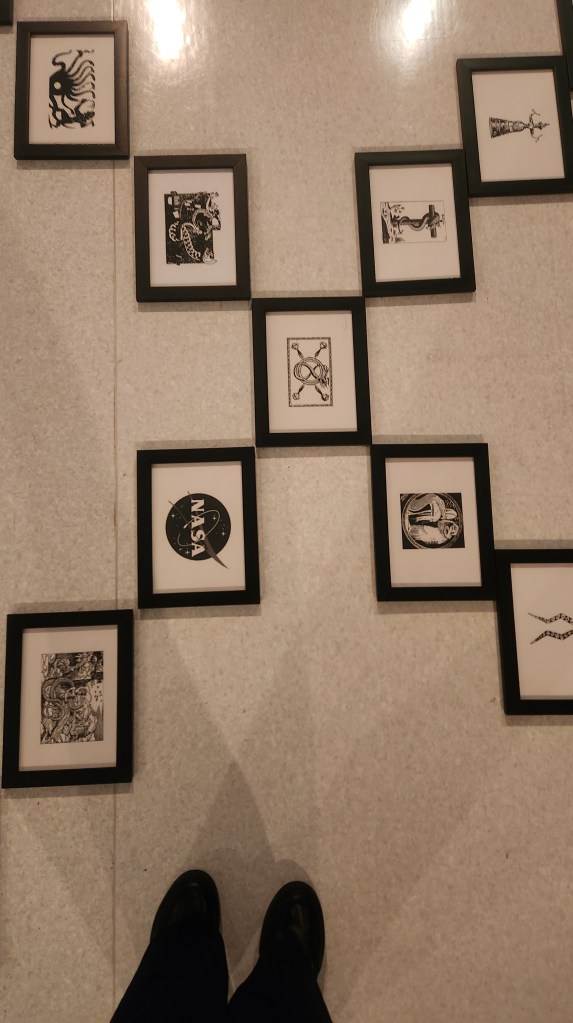
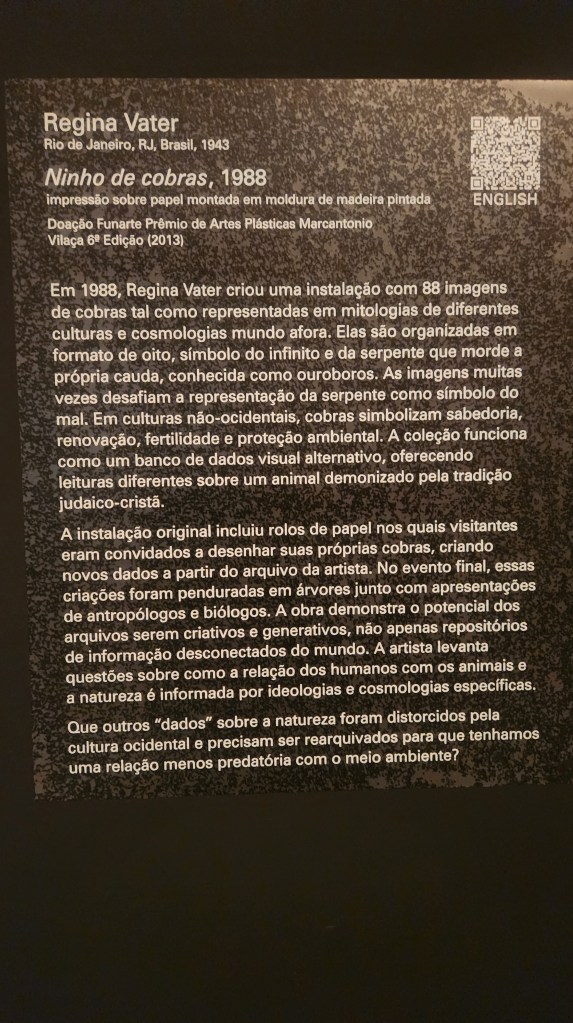
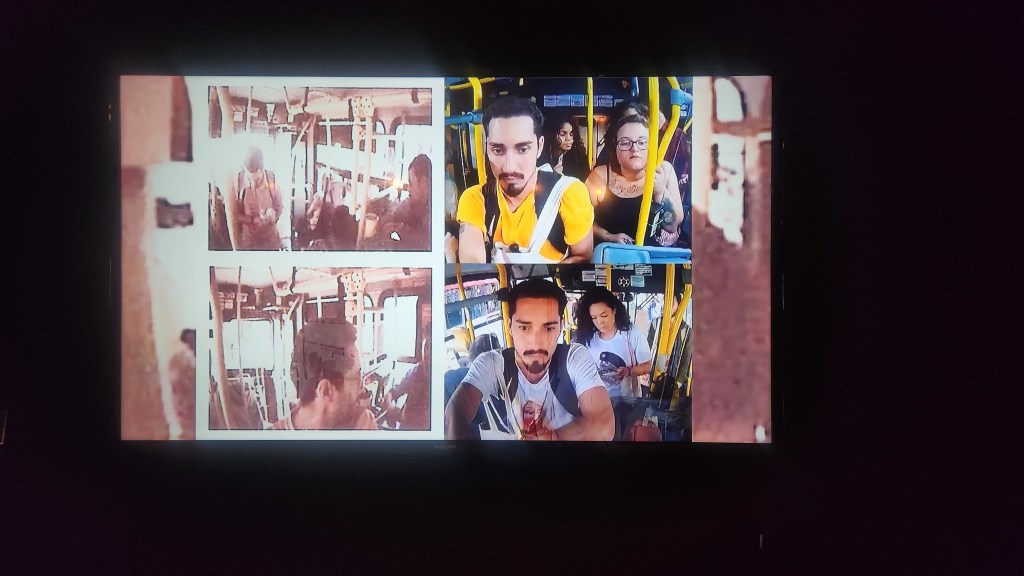
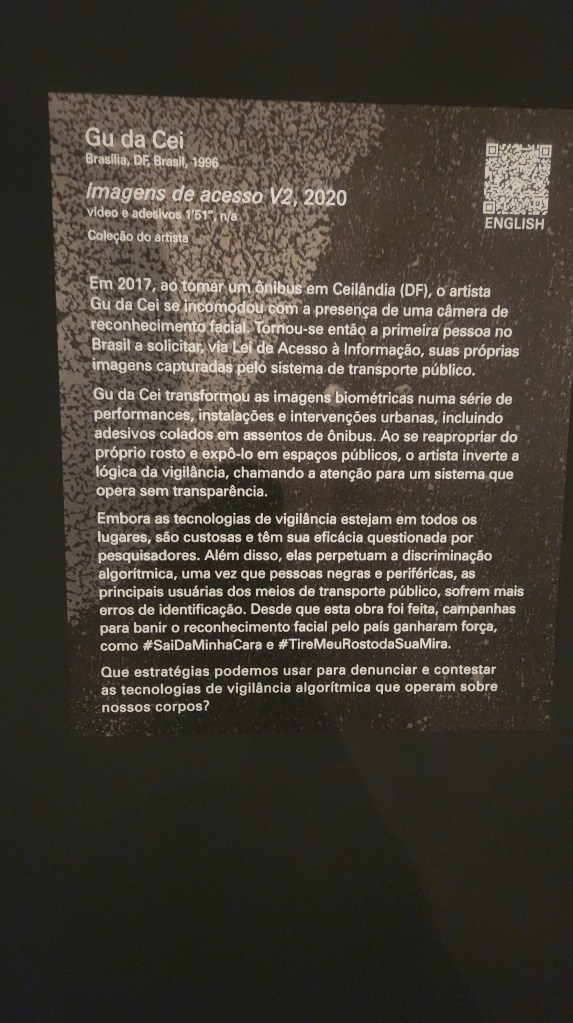
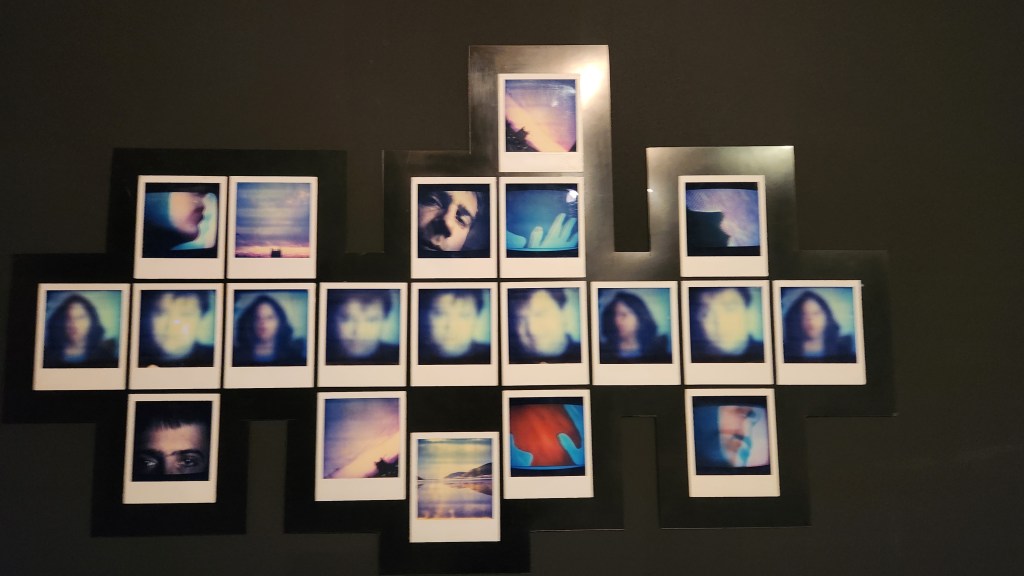
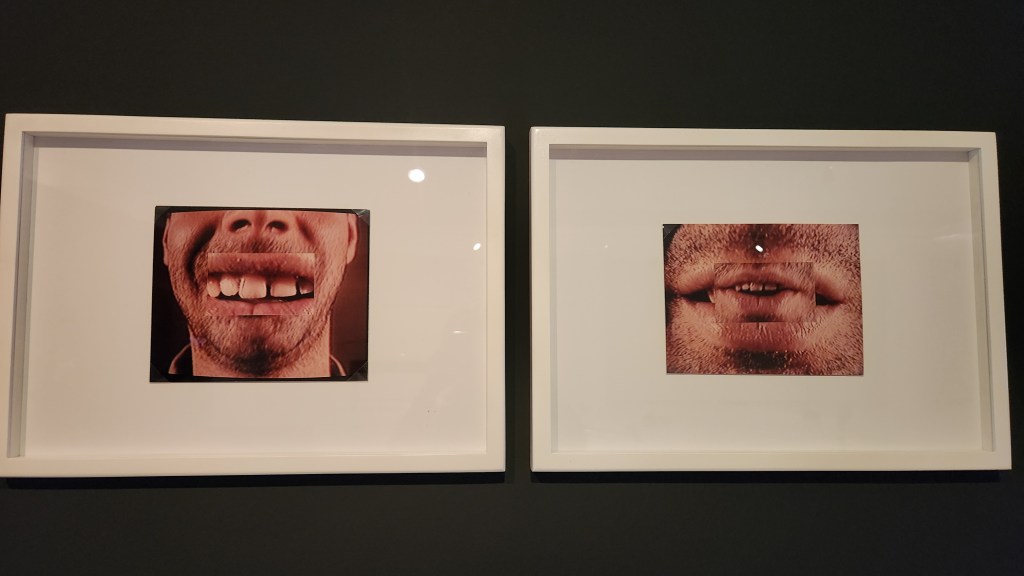
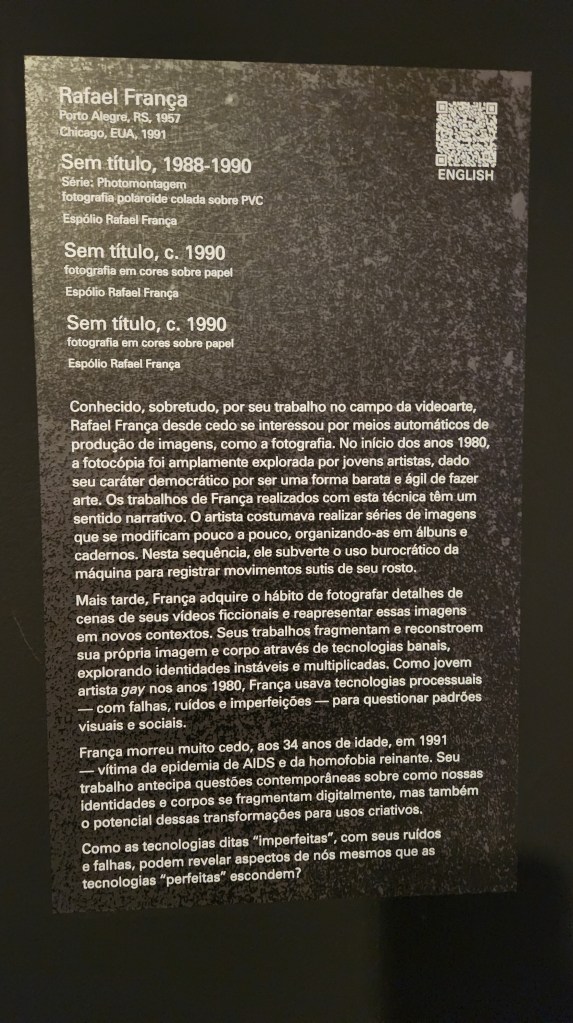
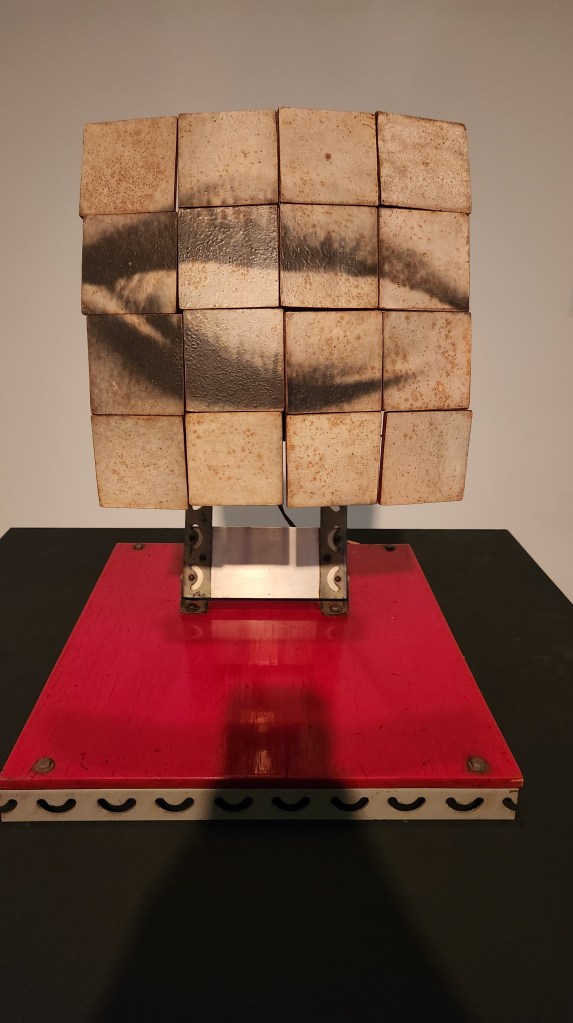
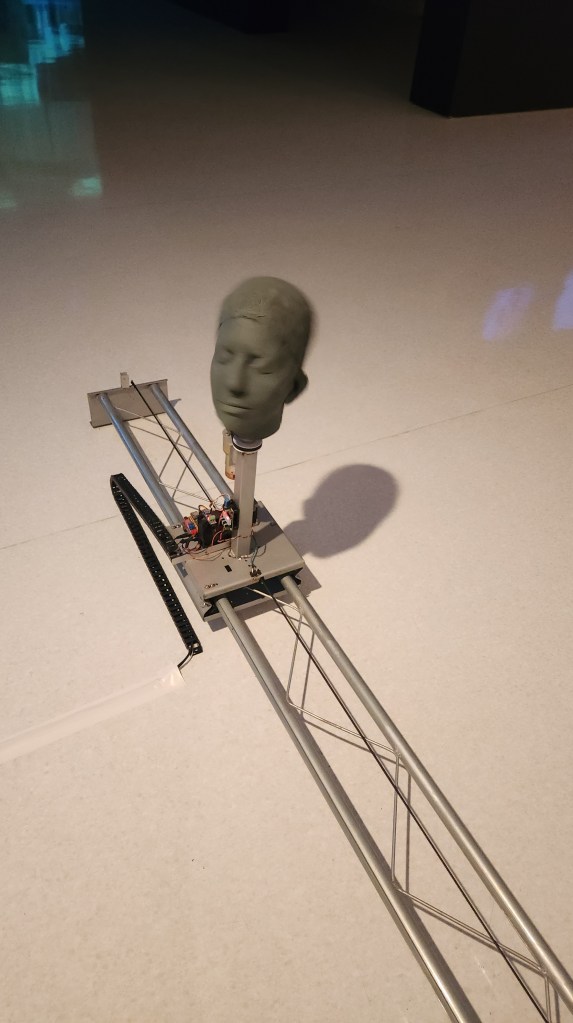
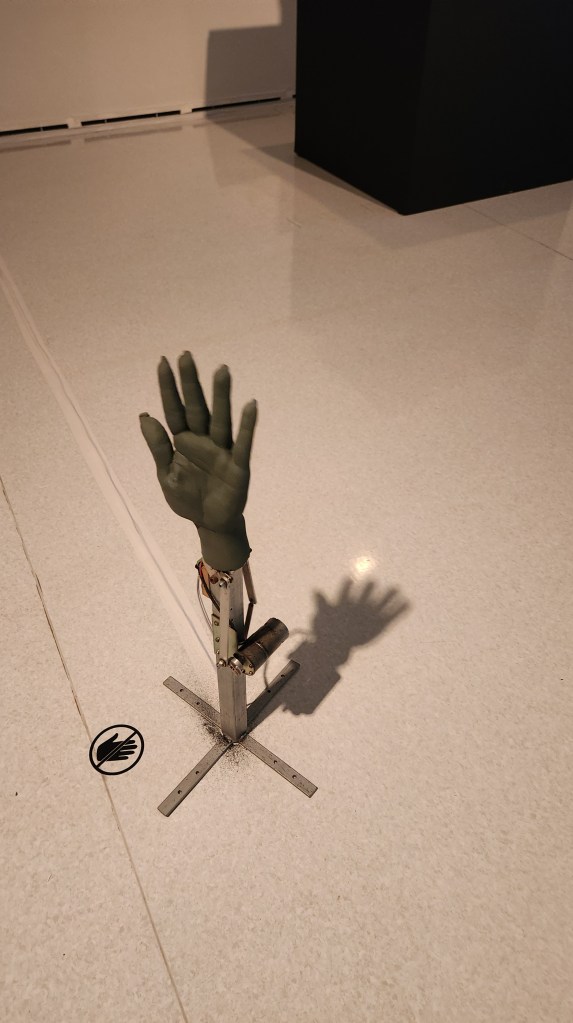
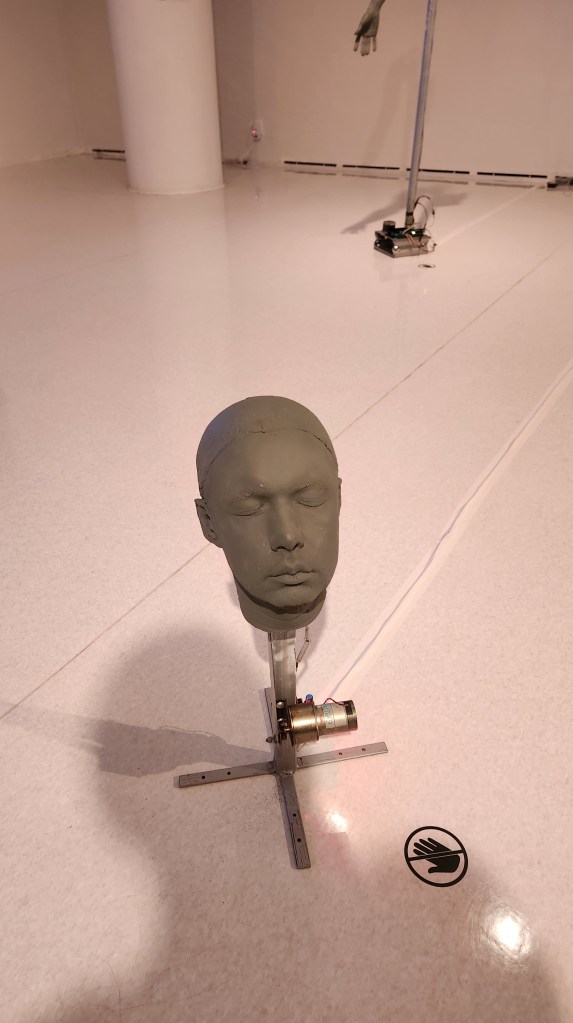
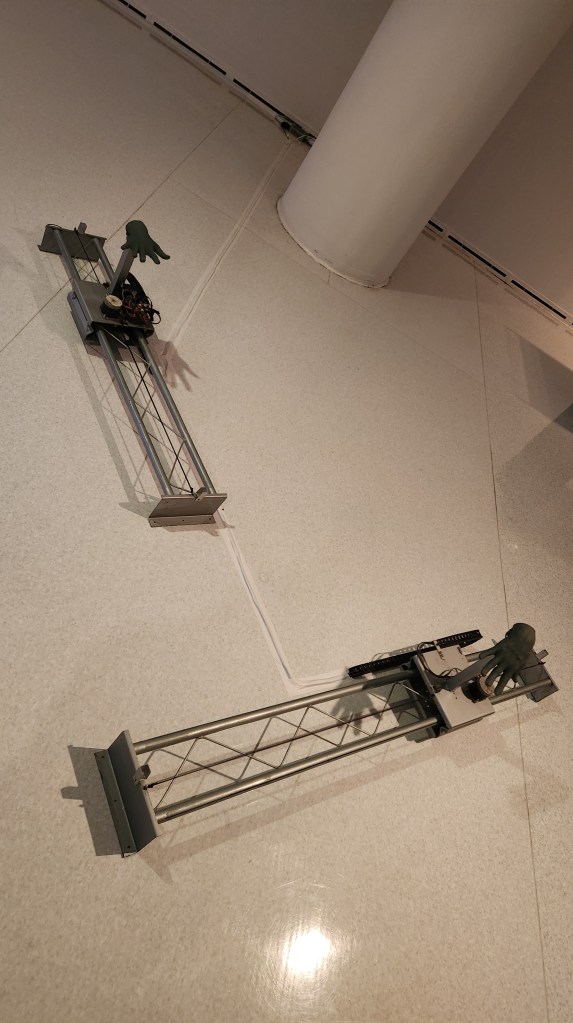
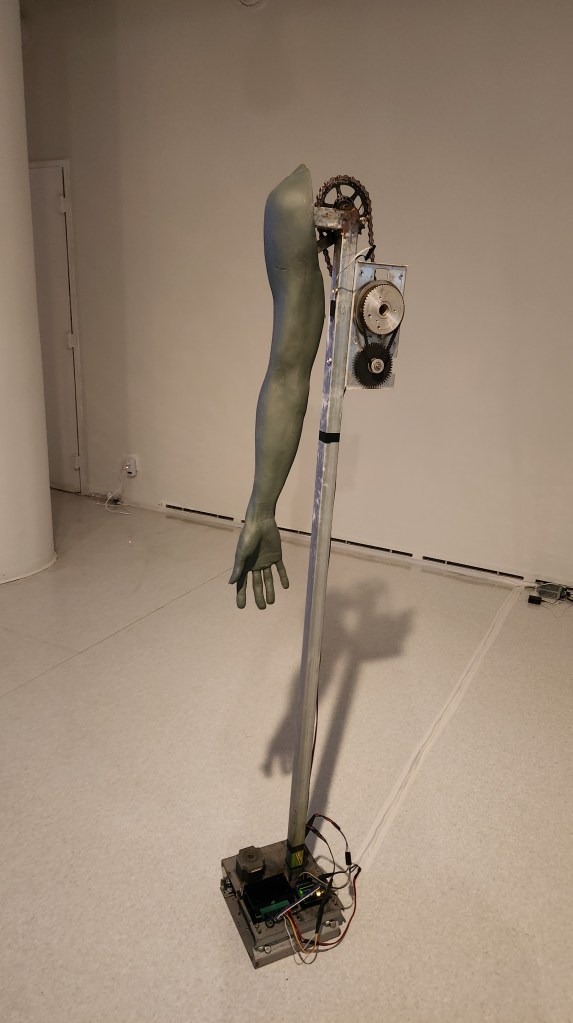
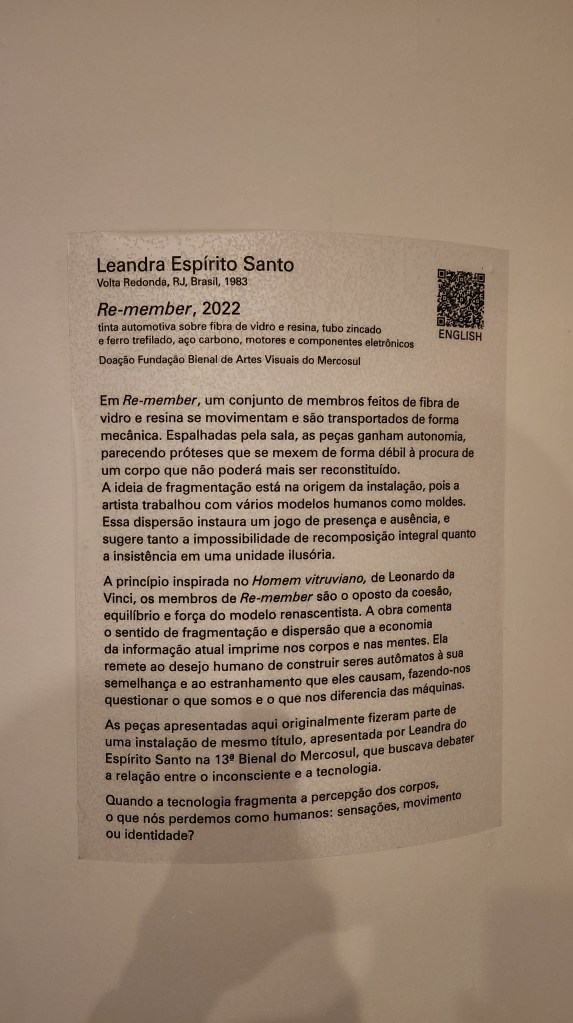
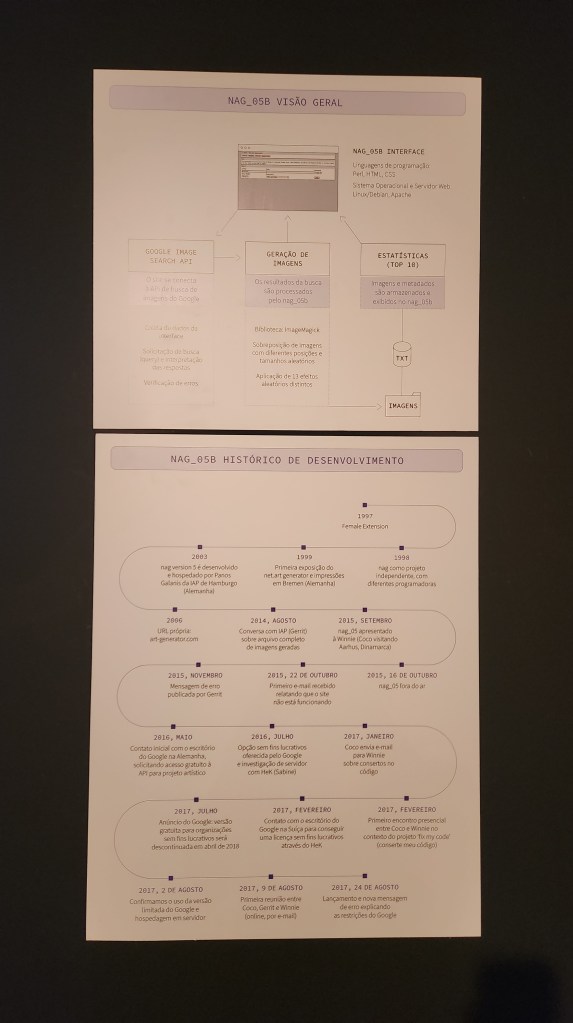
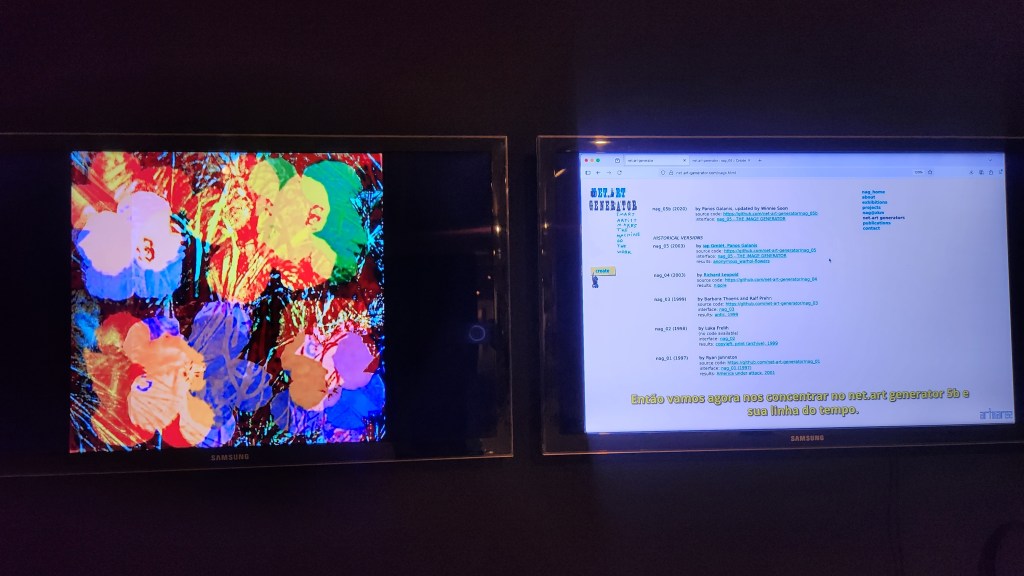
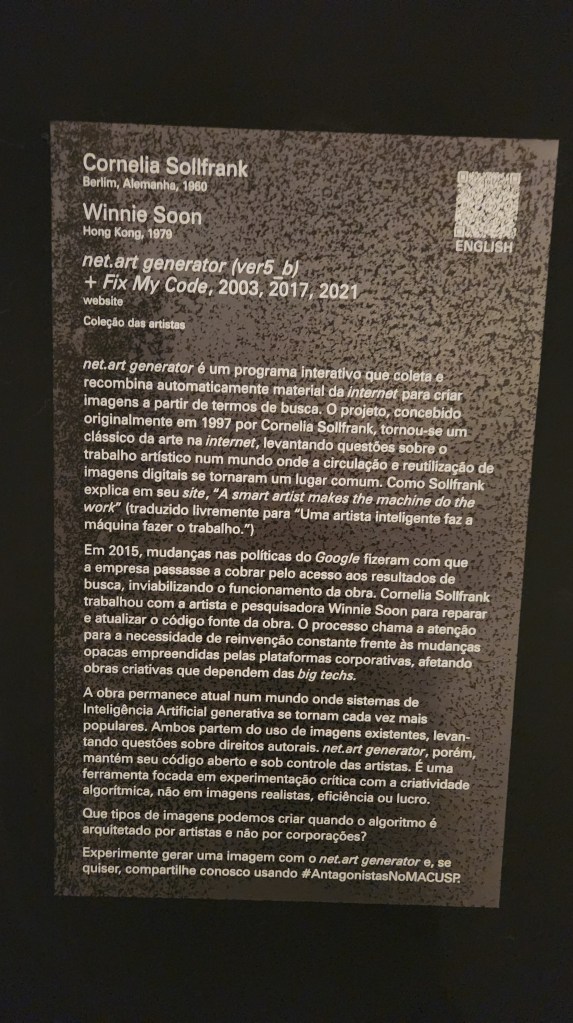
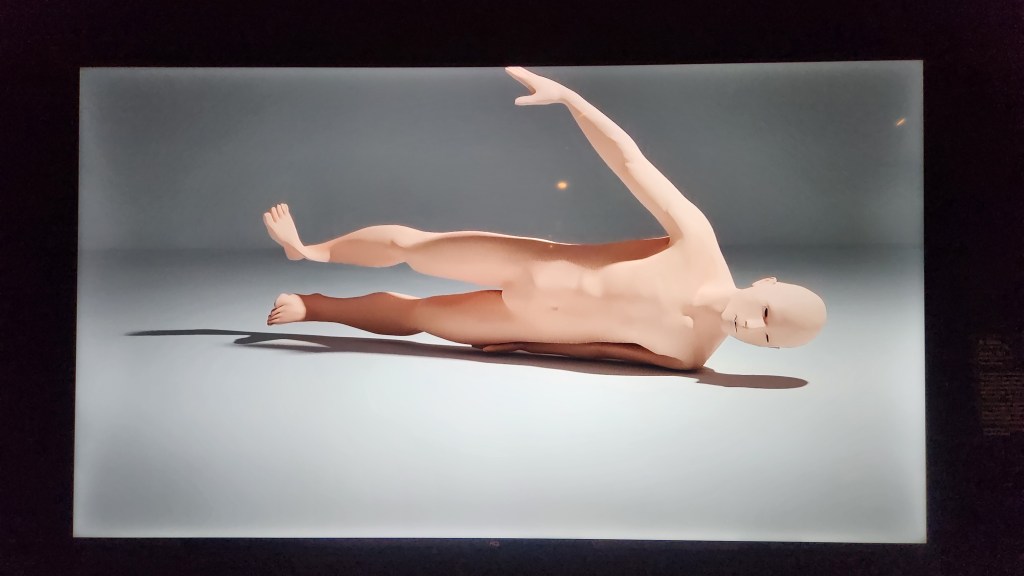
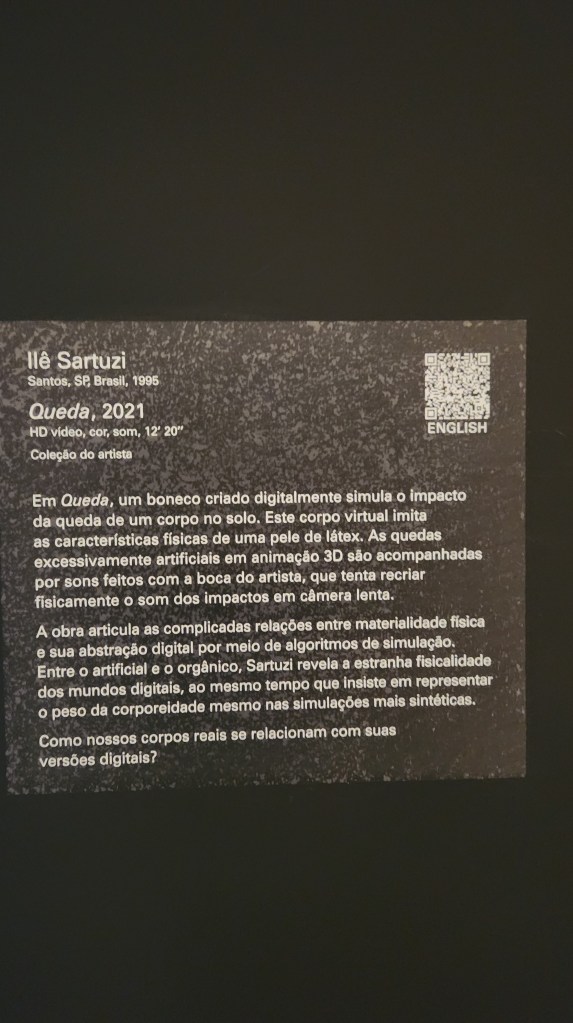
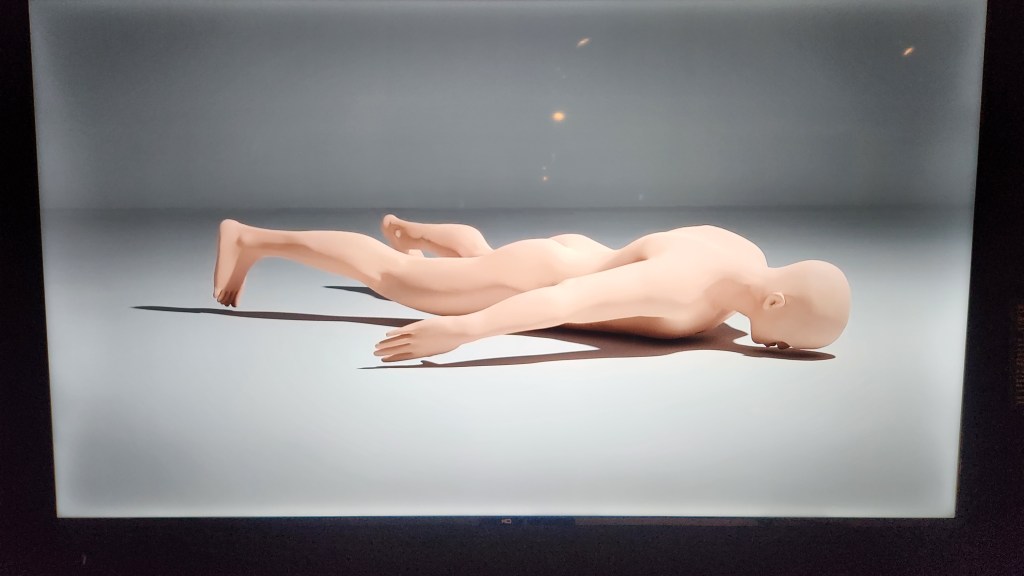
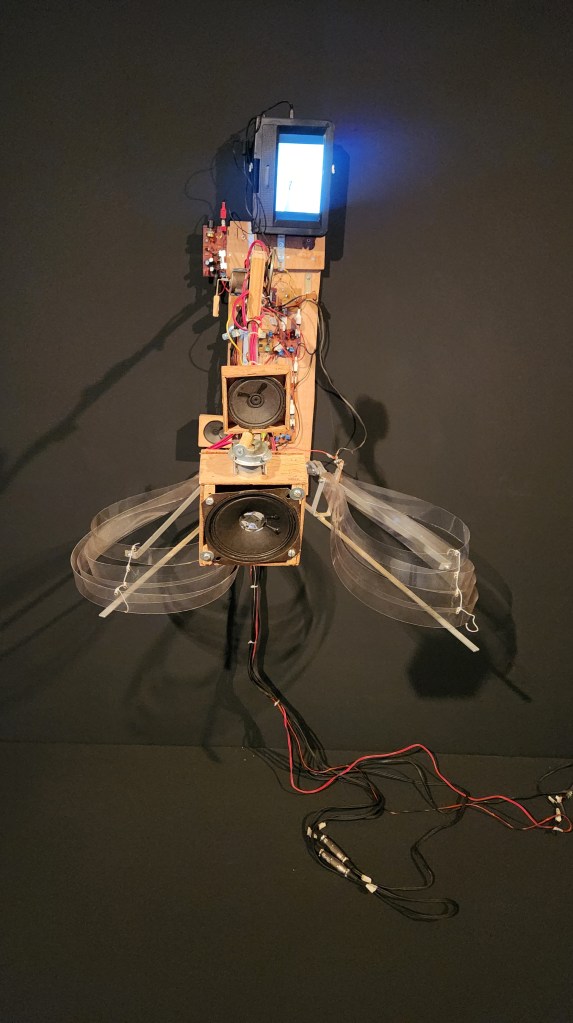
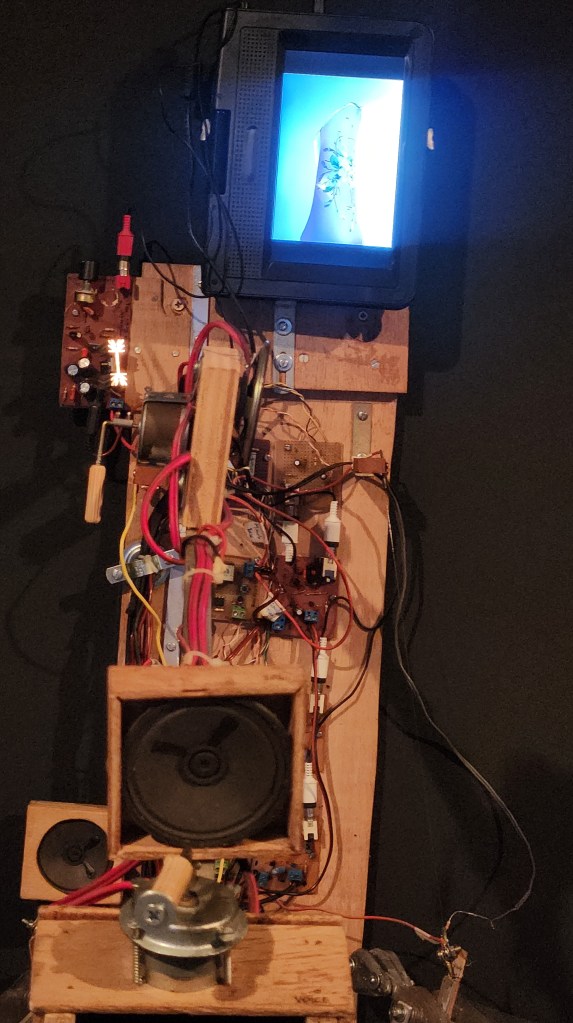
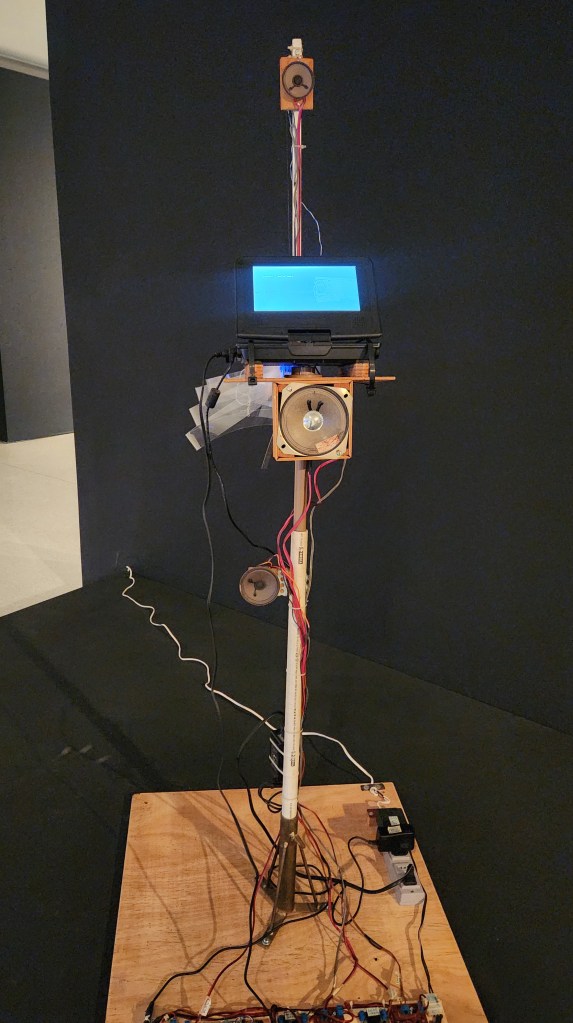
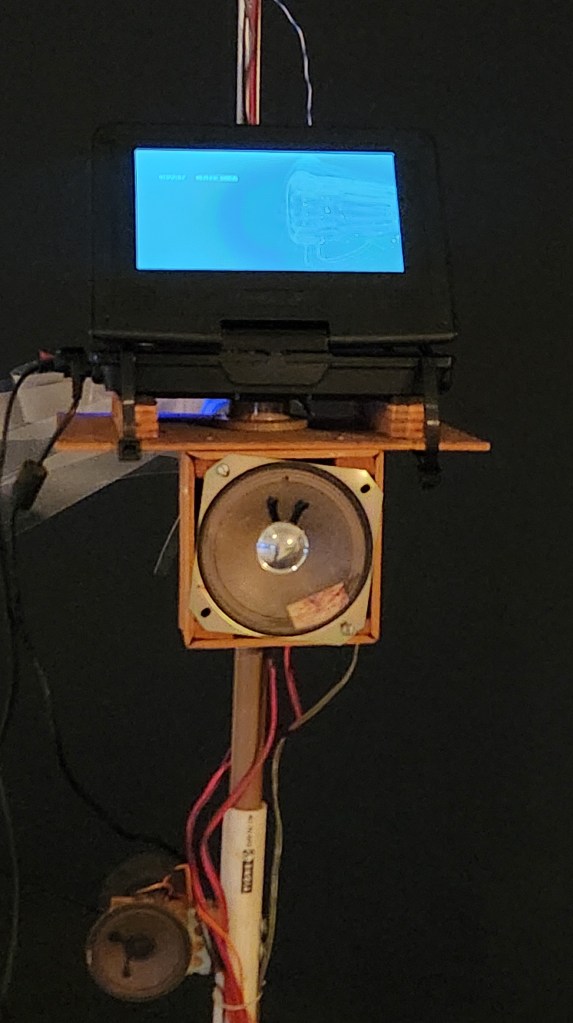
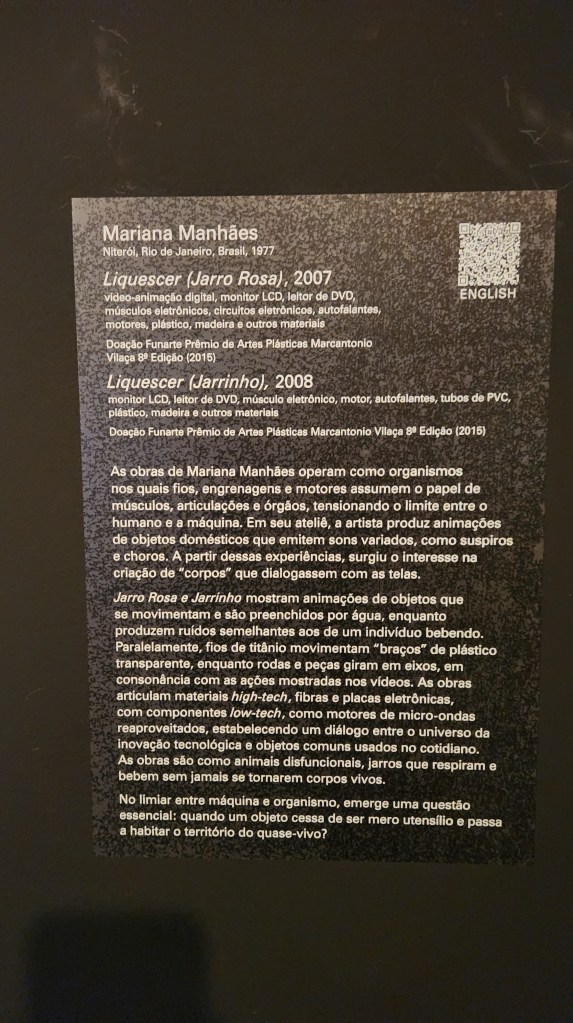
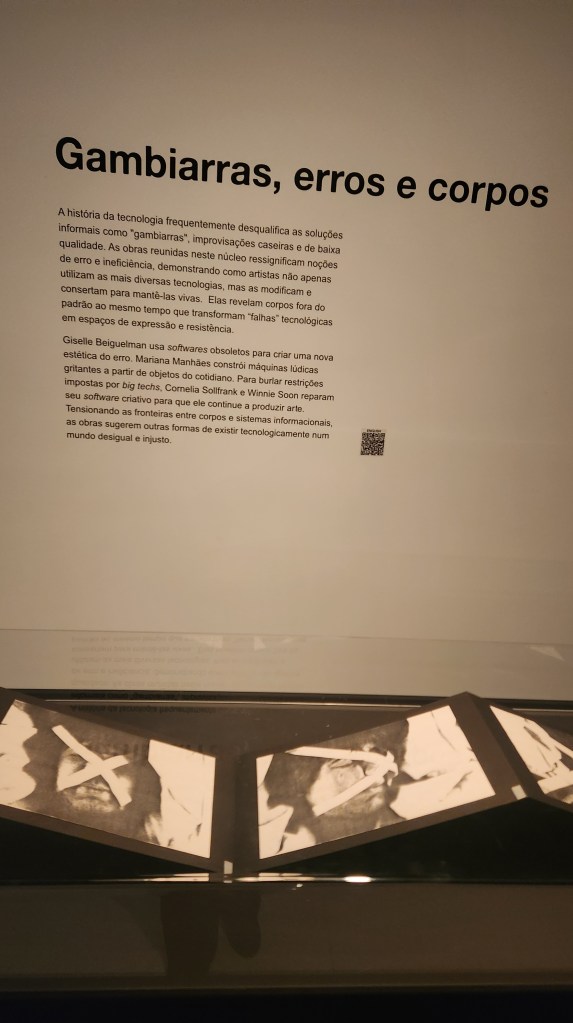
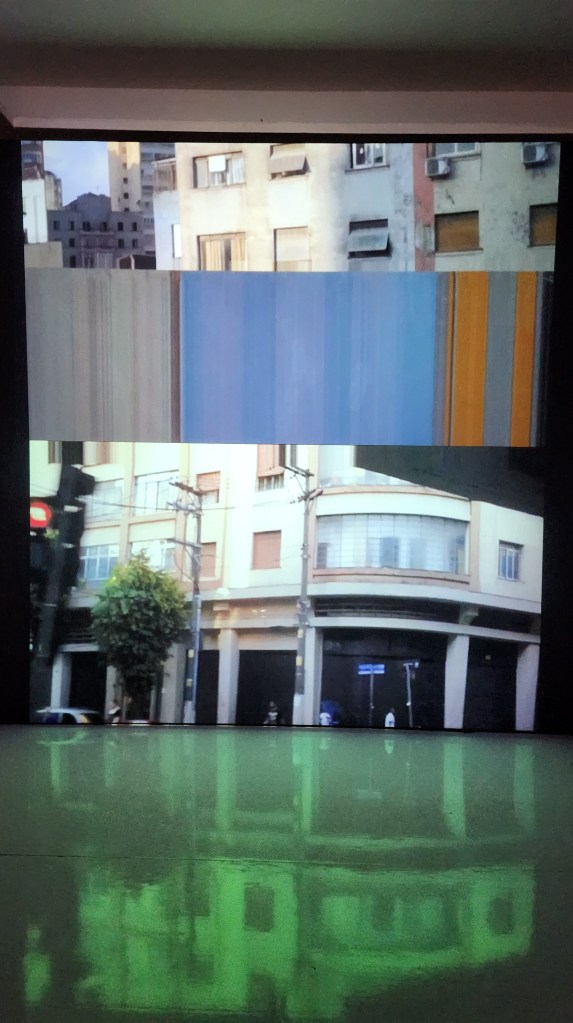
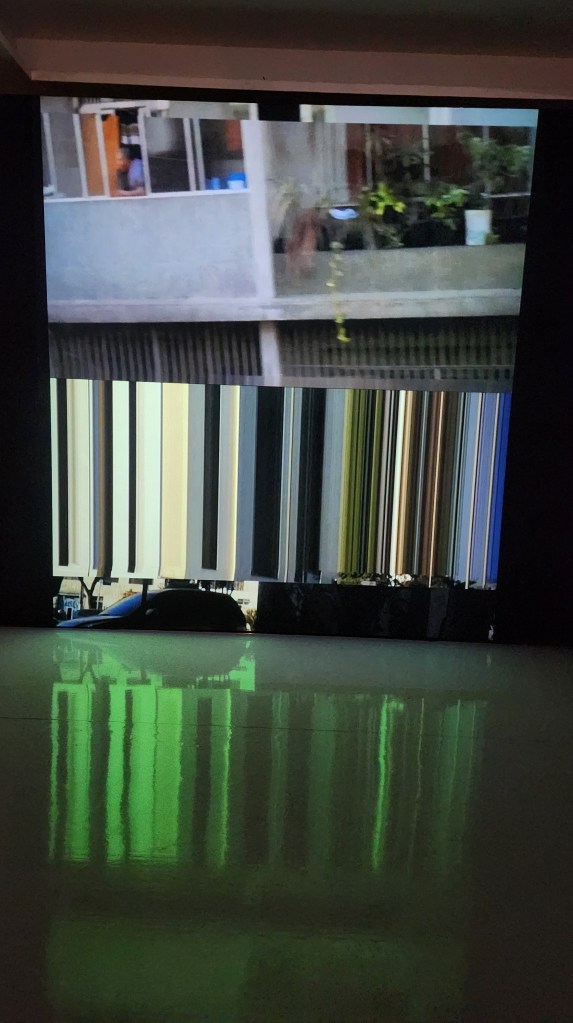
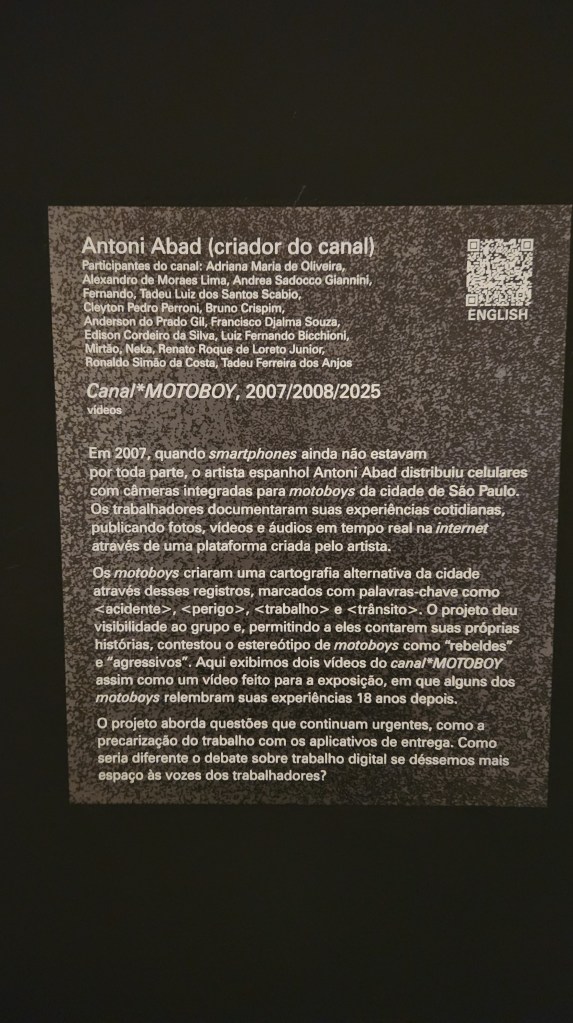
Header image courtesy of MAC USP and artist Regina Silveira (Una Vez Más, 2012). All other photos and videos by Marina Hassapopoulou. Each artwork photographed is succeeded by the artist’s credits.
Intellectual property and copyright: The work published on ExpressiveAI.net cannot be reproduced without permission and proper citation that credits the platform and individual authors.
 Expressive AI
Leave a comment