by Marina Hassapopoulou
In a culture increasingly driven by technological presentism, Scorsese’s career reminds us that curiosity about the future and care for the past are not mutually exclusive
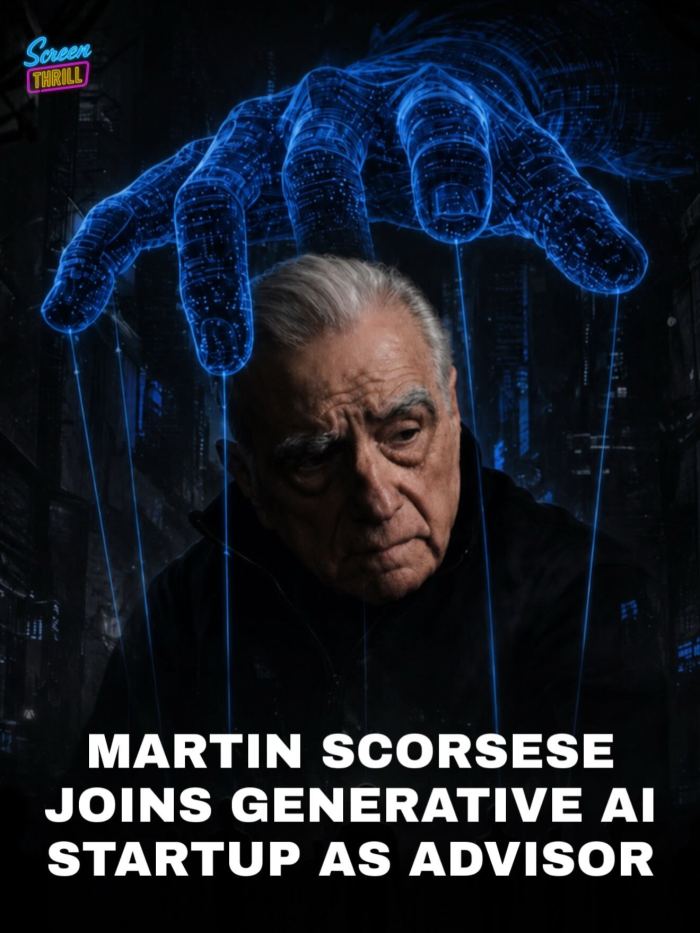
The news that Martin Scorsese is backing AI image and video startup Black Forest Labs has sparked predictable polarized reactions, ranging from enthusiasm to disappointment. What stood out to me, instead, is how consistent this move is with his broader career that has demonstrated that technological innovation and historical consciousness are not opposing forces. In fact, they often need one another to survive.
As a professor in the NYU Martin Scorsese Department of Cinema Studies, I have respected the way Scorsese approaches cinema not as a static tradition to be preserved unchanged, but as a dynamic and constantly-evolving cultural form shaped by both memory and experimentation. Throughout his career, he has championed film preservation while remaining open to the affordances of new technologies to re-engage with the past. In many ways, our department embodies a similar commitment to both historical inquiry and emerging forms of media practice. We study the diverse histories of moving images while also engaging critically with the technologies that are shaping their futures. The same spirit informs NYU-Tisch’s cutting-edge Martin Scorsese Virtual Production Center, where new forms of storytelling, visualization, and image-making are explored within a broader understanding of film and media historiography.
Watching the reactions to this news, I was reminded how often AI debates are framed as a binary choice between embracing the future and defending tradition (I even wrote a whole book about it). Yet cinema itself has never evolved through such simple binaries. Every major technological shift — such as synchronized sound and color, digital editing, CGI, and restoration technologies — has generated concerns about what might be lost alongside excitement about what might become possible.
The more interesting question is not whether AI will change filmmaking. The question is how we explore that change while remaining attentive to the histories, ethics, values, cultural memories, and diverse creative traditions that shape the cinematic experience.
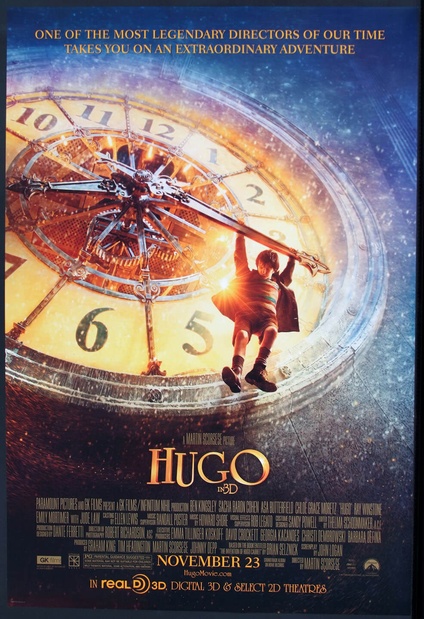
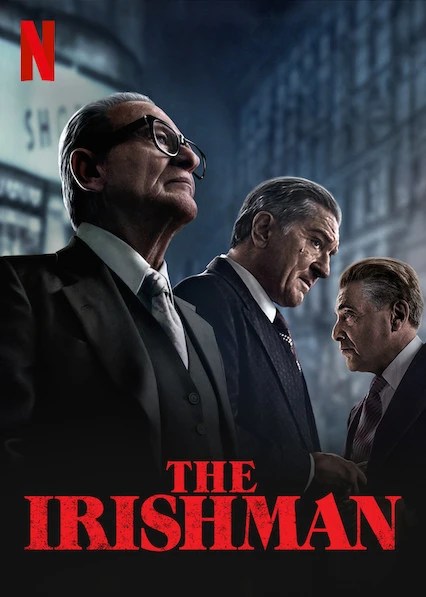
This is one reason I believe the arts and humanities have such an important role to play in AI conversations: they are a reminder that experimentation does not require historical detachment, and that preserving cultural memory does not require rejecting new tools. At a moment when AI discourse often oscillates between hype and panic, Scorsese’s example offers another possibility: approaching new technologies with curiosity, critical engagement, and a commitment to expanding the cinematic in historically-grounded and preservationist ways. The use of digital 3D filmmaking in his film Hugo (2011) and cutting-edge digital de-aging technology inThe Irishman (2019) — in addition to his longterm dedication to film preservation — supports this ethos.
In a culture increasingly driven by technological presentism (as I wrote in my previous post on technological presentism), Scorsese’s career reminds us that curiosity about the future and care for the past are not mutually exclusive.
How can we use and expand emerging technologies without losing sight of the cultural histories and creative traditions that continue to shape them?
 Expressive AI
Leave a comment