What the current AI-assisted education movement can learn from the earlier Digital Humanities hype: a hyperlinked essay reflecting on my own pedagogy and student collaborations over the course of nearly 20 years.
Hover over any mentions or concepts you’d like to learn more about to activate the hyperlinks.
by Marina Hassapopoulou
“Why aren’t you teaching your students how to code?”
For years, this was one of the dominant questions surrounding Digital Humanities (DH) pedagogy. While computational literacy is certainly important, I often found myself prioritizing critical, historical, collaborative, and multimodal forms of thinking instead. I even wrote my own manifesto, “Analysis Beyond Analytics,” and co-organized the “Transformations” conference during the DH hype to counter the prioritization of technological fetishism that, at that time, I found to be dangerously overshadowing intellectual labor and the affordances of experimental non-technologically dependent work. Ideas over tools was always my approach in pedagogy and research, and now the AI era is proving that it is the ideas —rather than the tools—that cannot be outsourced.
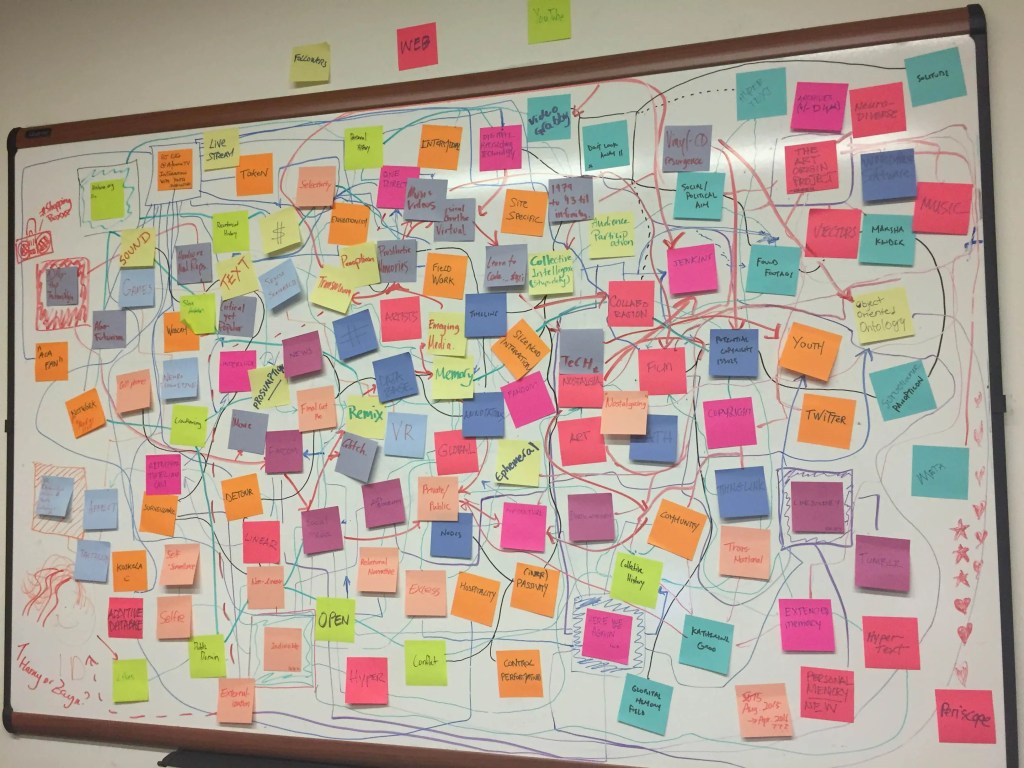
With the rapid rise of AI-assisted education, the former tensions and debates plaguing the DH field(s) feel more relevant, more urgent, and certainly more revealing than ever.
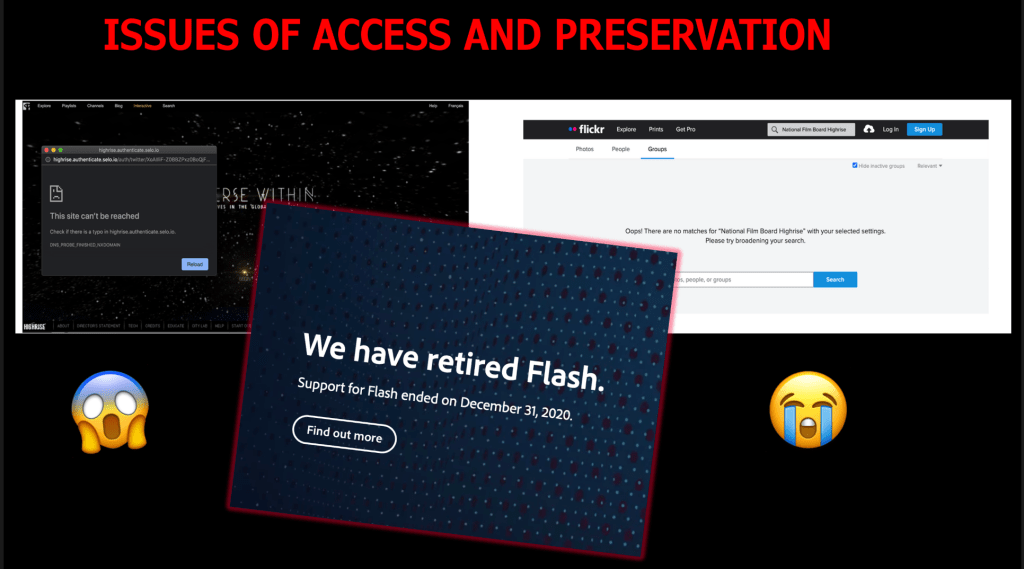
One of the major lessons from the Digital Humanities movement(s) that we should carry into the AI era is that educational innovation cannot revolve around tools—and their learning— alone. Too often, technologies are prioritized before ideas, infrastructures before solid learning objectives, and short-term fundraising before long-term sustainability plans. In many cases, funding for large-scale DH projects disappeared, and so did the institutional commitment to maintain them beyond the grant cycles, resulting in the loss, obsolescence, or abandonment of years of irreproducible important work.
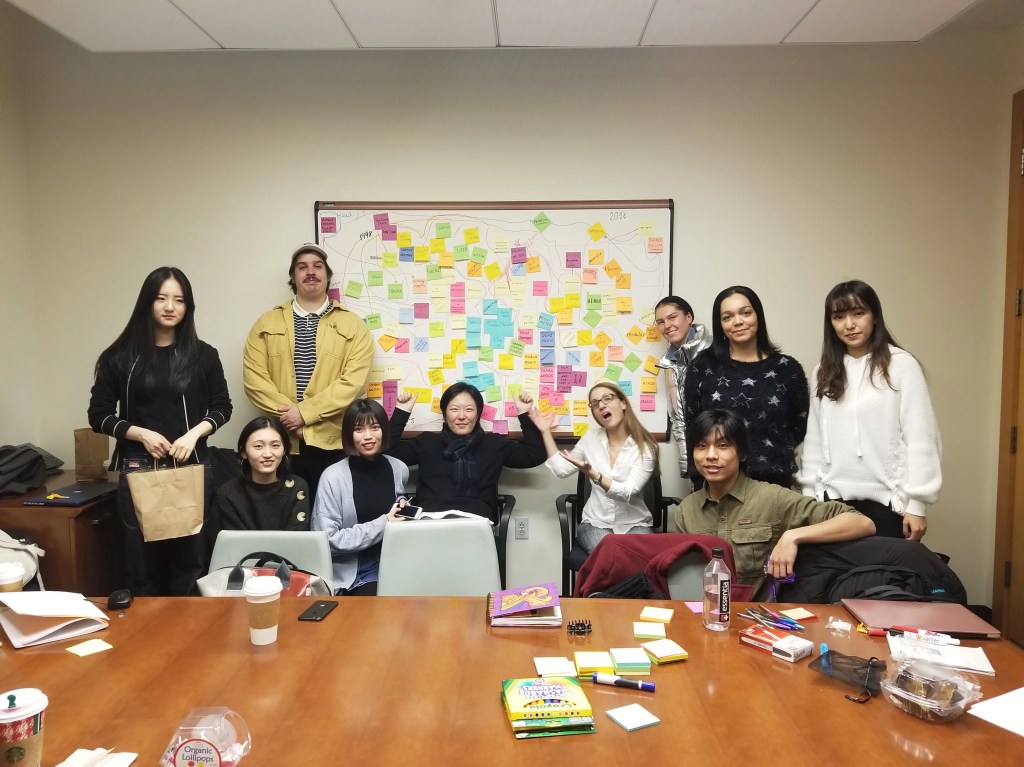
At the same time, many of these so-called “alternative” DH spaces quietly reproduced longstanding hierarchies surrounding labor, expertise, gender, race, economics, and institutional prestige. To make matters worse, student labor — which often powered many large-scale DH projects — frequently remained undervalued and uncredited even within supposedly collaborative and experimental environments (don’t worry, we fought back << click).
Some of the most meaningful work I encountered in the DH space often emerged elsewhere: low-tech, low-budget, accessible, collaborative, DIY, multisensory, sustainable practices that foregrounded critical thinking rather than surface aesthetics and technological spectacle. This kind of work was remarkably unbothered about DH hierarchies, and critical of even the use of DH to label its non-conformist ethos.
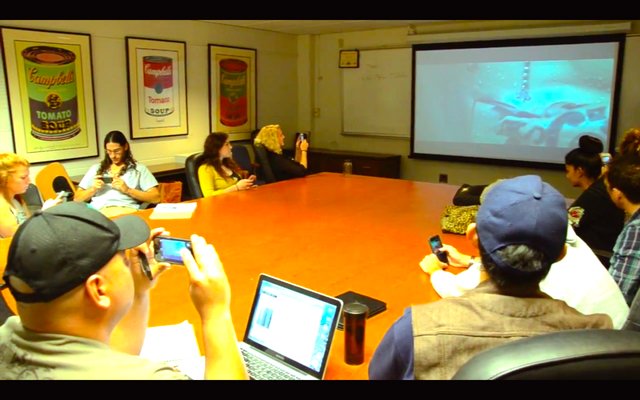
All this to say that, in my view, the biggest issue we are currently facing in academia is not just AI itself. We are already facing a broader crisis in education, diverse modes of attention that create different kinds of learners, accessibility, outdated research objectives, the ways we assess knowledge, and other factors. In many ways, AI — whether understood as a tool, a disruption, or even a perceived “threat” — is simply bringing longstanding systemic issues to the forefront in the education space and beyond.
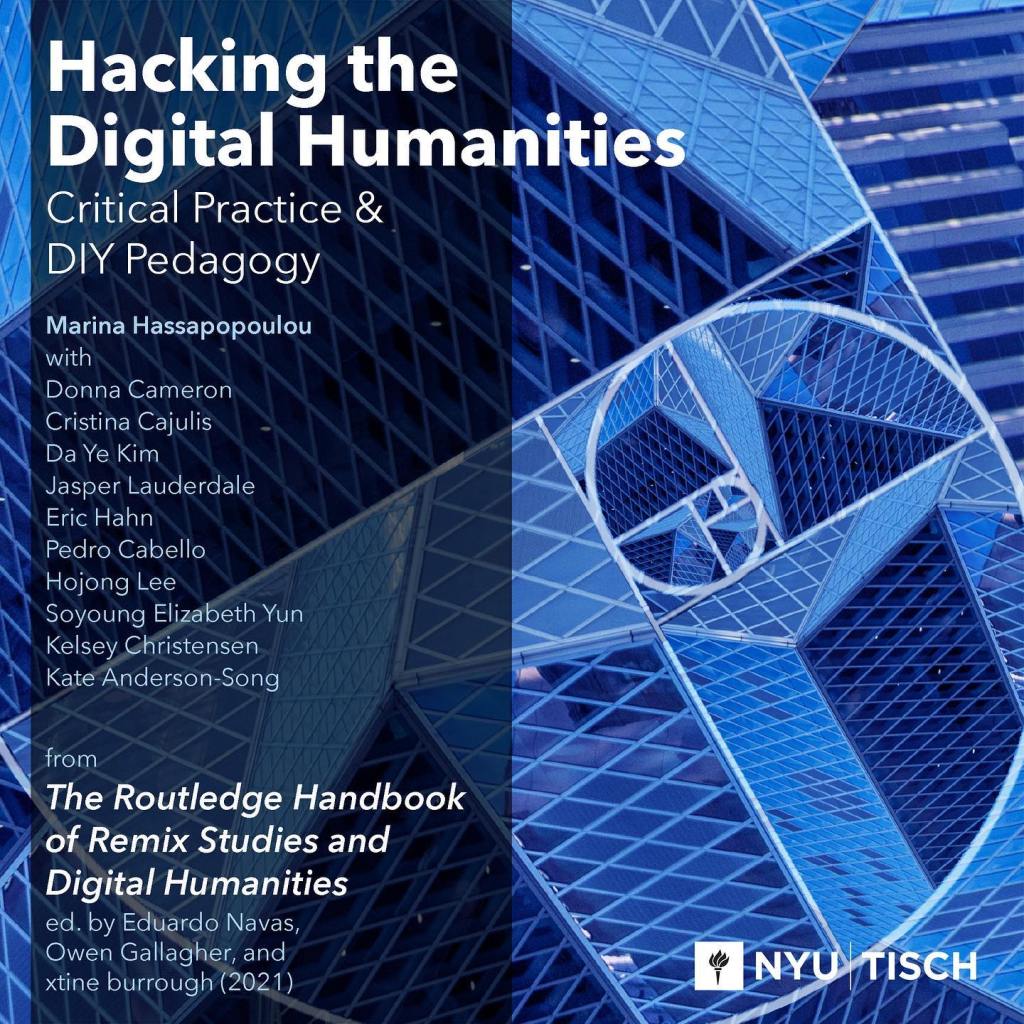
How do we teach students with increasingly diverse attention spans and learning styles? How do we push back against outdated standardized methodologies and assessment methods? What forms of knowledge should remain irreducibly human? Which skills are becoming more important precisely because they cannot be easily outsourced? How do we build pedagogical models that are sustainable, collaborative, accessible, and critically engaged rather than purely solutionist or tool-driven? And, ultimately, how do we address the ever-present issue of making learning interesting and relevant to our students, in an era where originality, engagement, and authenticity are even more difficult to obtain? (Side note: these are certainly not new problems; for instance, over a decade ago, I wrote about helping students find their authentic voice during the rise of remix culture and (now old) new media, and about harnessing distraction while redirecting it towards productive learning outcomes, and ultimately co-wrote with my students a book chapter on a theory-practice approach to “hacking” the Digital Humanities through process-oriented, collaborative, low/no-tech, DIY, multisensory, bricolage-inspired, and low/no-budget means).
The current AI moment is not simply forcing us to rethink technology: it is forcing us to rethink education itself. Even more so, it is forcing us to reconfigure the ways we make meaning and what types of learning are actually translatable in real world terms.
These and more questions are also part of the motivation behind the newly launched and regularly updated AI Pedagogy section of ExpressiveAI.net, which brings together a wide array of resources, experiments, lesson ideas, tutorials, and critical reflections on AI-assisted and AI-alternative hybrid learning from arts and humanities perspectives. The growing AI Pedagogy section emphasizes multimodal pedagogy, ethical and critical AI literacy, creative experimentation, accessibility, collaborative learning, catering to diverse learning styles, and process-oriented approaches that place ideas before tools. Because AI literacy without critical literacy will not fix an already broken system.
To read about some of my earlier reflections on process- and praxis-based student-centered pedagogy, visit my blog, read some of my teaching publications, and check out a diverse array of inspiring student projects and curatorial work on the Interactive Media Archive.
We welcome collaborations, student projects, assignments, teaching/ theory-practice manifestos, successes and productive failures, and other contributions.
 Expressive AI
Leave a comment