Sensory Nights: Lighting and Data Visualization in Public Arts
by Clone Wen
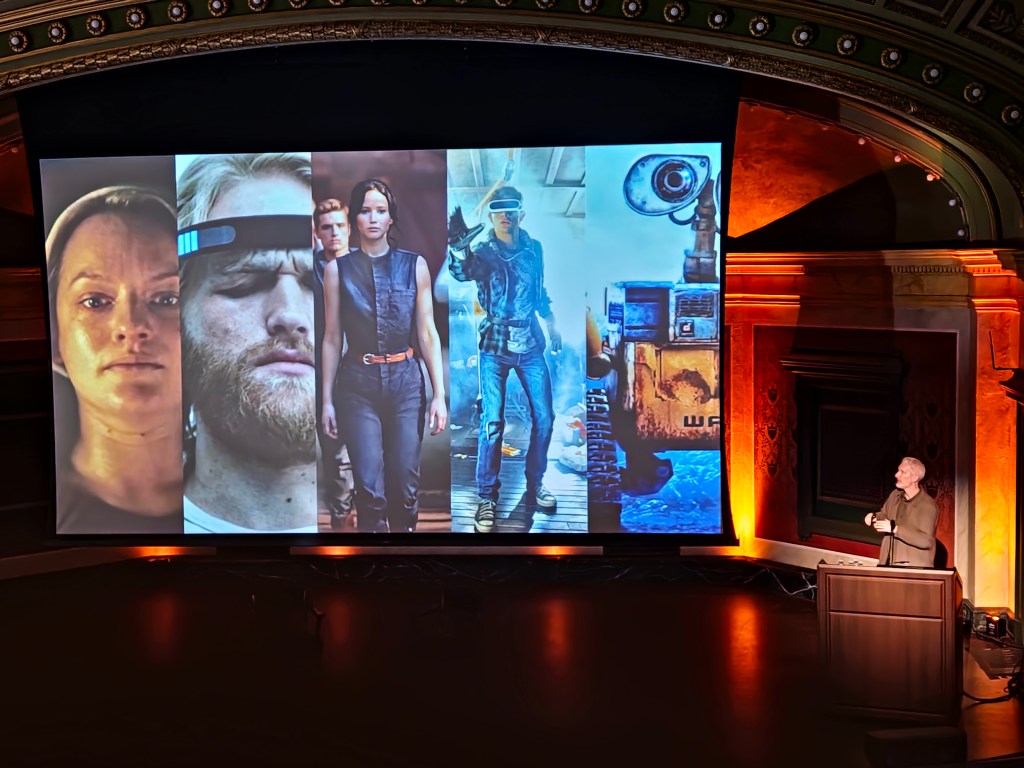
“We’re living in a golden age of dystopia.”
—— Brendan McGetrick, CODA Summit 2024
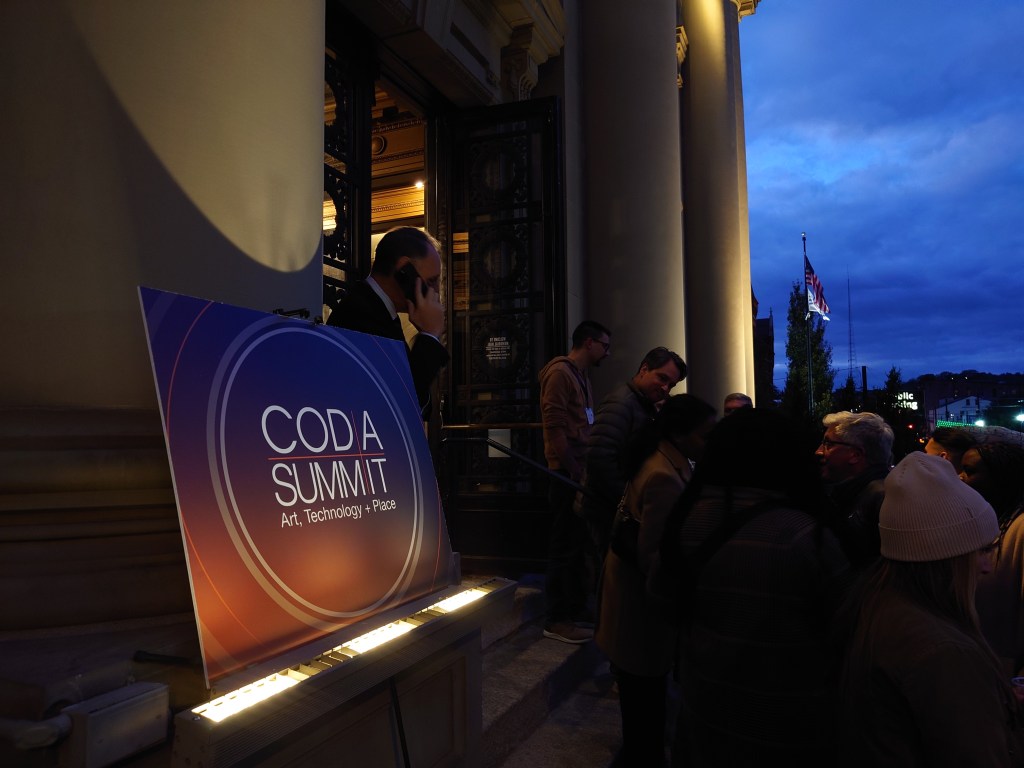
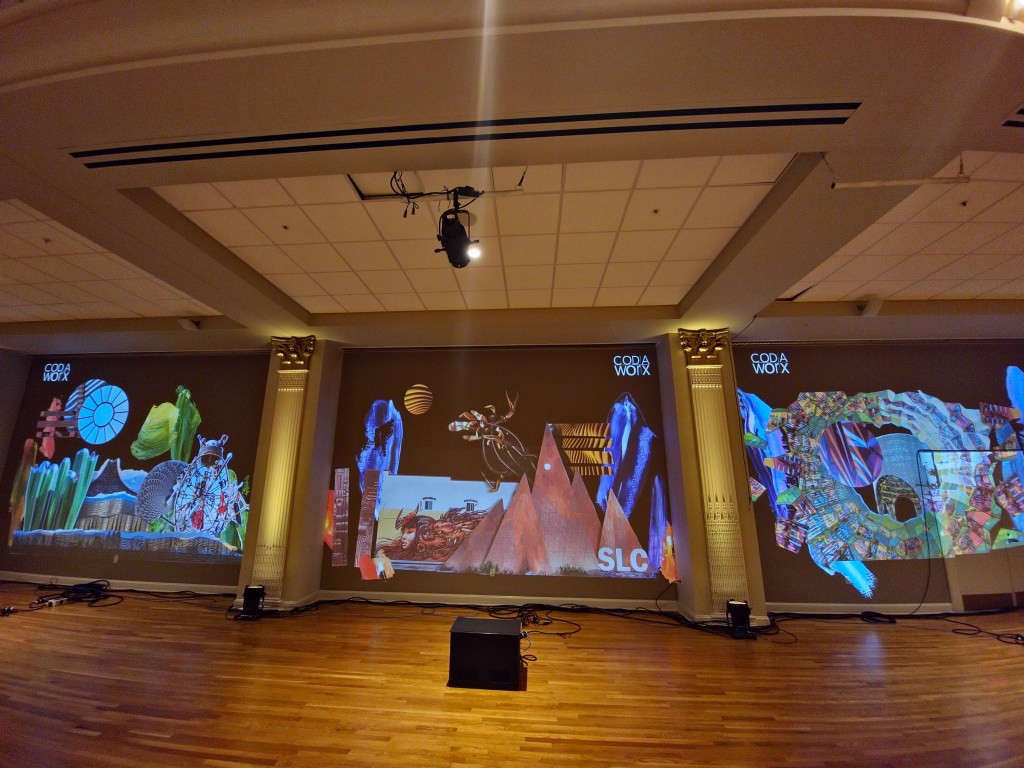
CODAsummit 2024 in Cincinnati, Ohio, was exclusively co-hosted and synchronised with BLINK Festival, one of the largest outdoor light installations spanning downtown Cincinnati and Newport, Kentucky, on the other side of the Ohio River. The event highlights the use of interactive lighting in public art, focusing on projections and screens in alternative spaces such as walls, forests, streets, and parks, breathing temporary life into otherwise permanent public art.
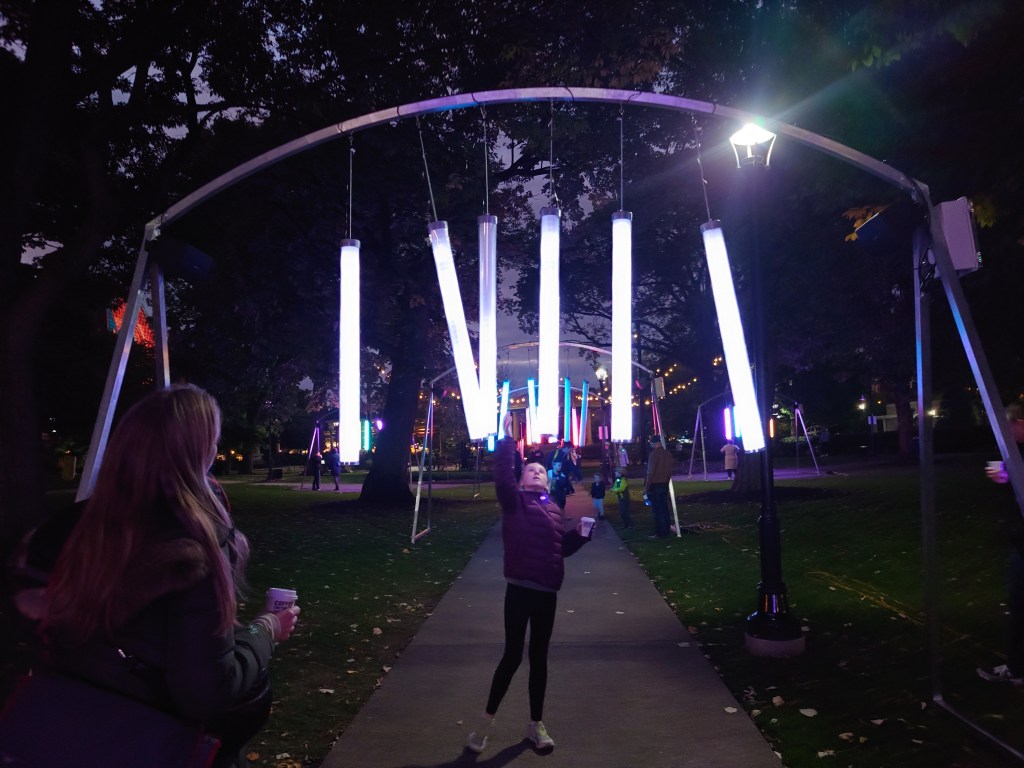
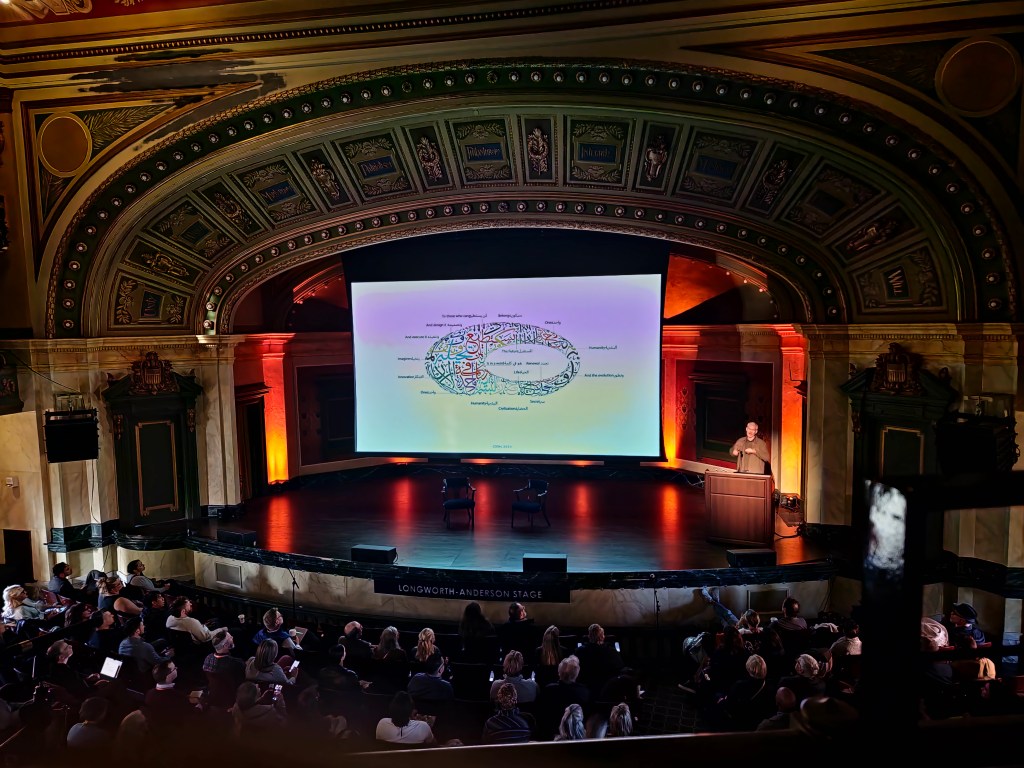
More importantly, although CODAsummit is a daytime event, the simultaneous presence of the BLINK festival brings a unique emphasis on the themes of night and darkness. For example, in Brendan McGetrick’s presentation on the Museum of the Future in Dubai, he introduced “The Library” (Vault of Life), a vast ecological archive representing the natural biodiversity of the planet. This archive is housed in a matrix of crystal jars illuminated by RGB LED lights, which represents 3,400 existing species. As visitors interact with the space, they can control the lighting, turning off all the lights to reveal only those species predicted to become extinct by 2071. The sudden darkness leaves a single row of red lights in the exhibition hall, symbolizing these endangered species. This immersive darkness and its mimicry of night become a form of data visualization, communicating the existence, extinction, and emergence of species on Earth.
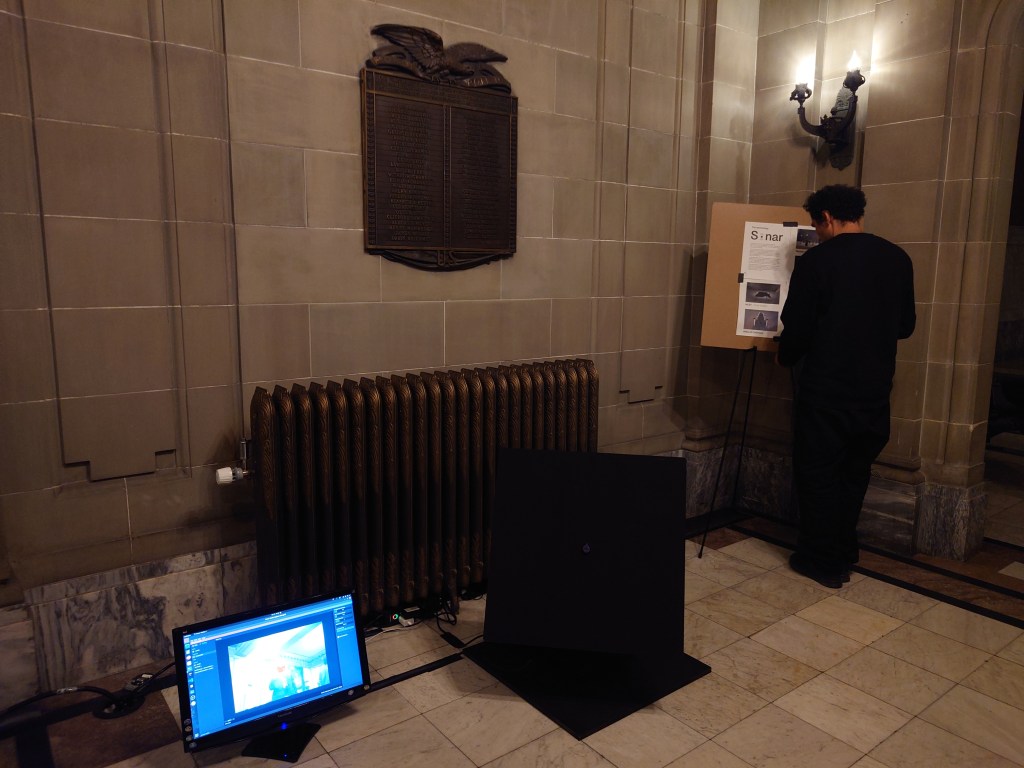
By amplifying micro-sensory experiences, these transmedia approaches break down the barriers between individual sensory systems, leading to a blurred sense of collective memory. AI recognition and generative technologies contribute to this blurring. Public art sculptures, under the play of light and shadow, become a form of public performance art. Although there are no live performers, the audience and the urban landscape consciously become part of this performative installation. In this performative aspect, the monumentality of the sculpture is transformed into an attractive interactivity and fluidity, as seen in Brooklyn artist Andrew Zolty’s Breakfast Studio, which transforms the dynamic movements of wind and sea into mimetic motions of sculptures. Or, conversely, a dynamic moment is frozen into eternal monumentality in the blurring glass art of The Anti-Soviet Partisans’ Memorial by Polish artists Konrad Urbanowicz and Tomasz Urbanowicz.
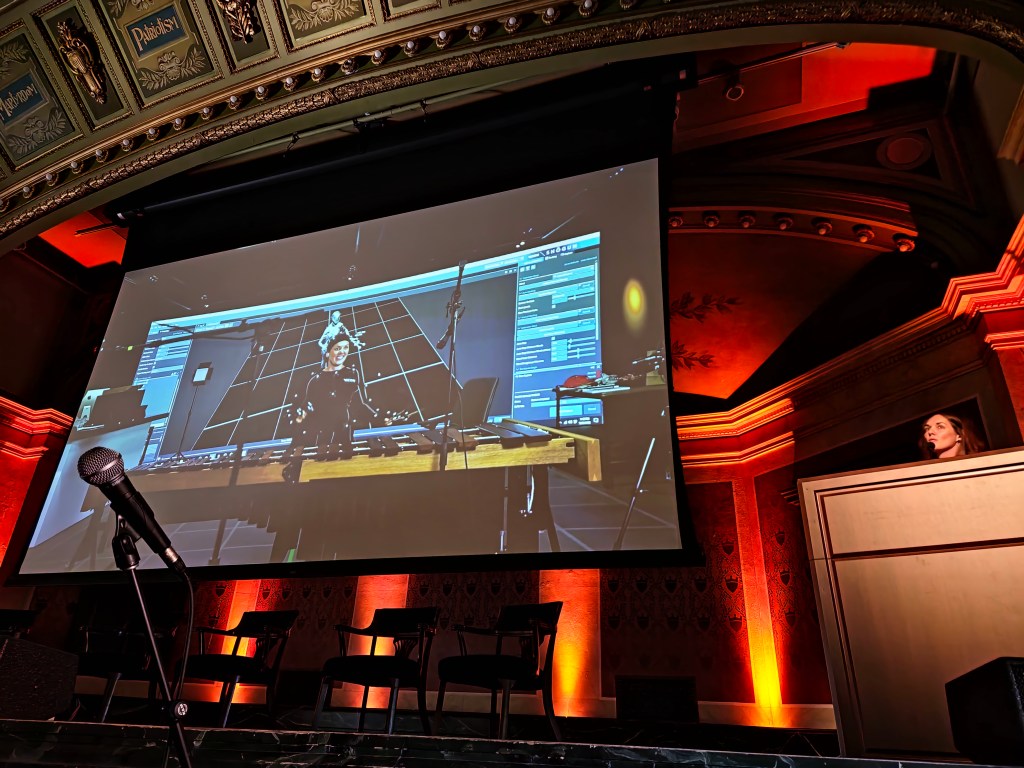
Sensor programming becomes the “trans” method in transmedia, allowing one sensory medium to be transmitted through code to another — notably Maria Finkelmeier’s Melody Figments, which translates percussion performance movements into AI-generated visual webs and animations. Similarly, Finkelmeier’s Hatched: Breaking through the Silence, where sound is reimagined through light, interaction, vibration, and feedback — manifested through multimedia laser projections. Finkelmeier mentioned that she never expected her proposal to illuminate Boston’s Hatch Shell to be selected, as Boston’s Hatch Hall required a soundless installation, while her project was a sound-based dynamic visualisation. In these interactive public artworks, different artists explore in different dimensions the question, “How can the unseeable aspects of a non-visual sensory experience in performances be brought to life visually?”
However, lighting and environmental installations have also sparked debates about ‘what is art and what is design’ and whether one is an artist or a designer. The roundtable Future Frames: Conceptual Shifts in Public Art offered constructive perspectives: Design is more about public service, while artists are the ones who pose questions to society. Designers and architects write better proposals than artists in their CFPs, but they often lack creativity. Artists, on the other hand, have much more inspiration but are often faced with challenges that are not feasible or appropriate to speak to and honor the local communities.


 Expressive AI