By Clone Wen
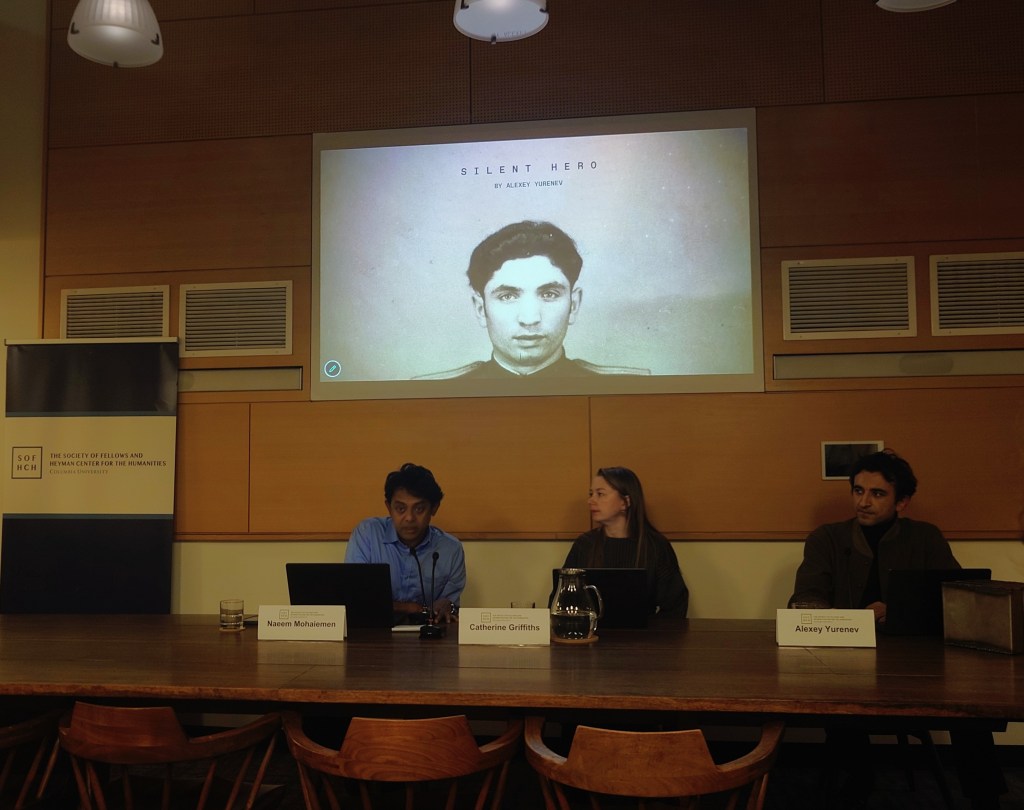
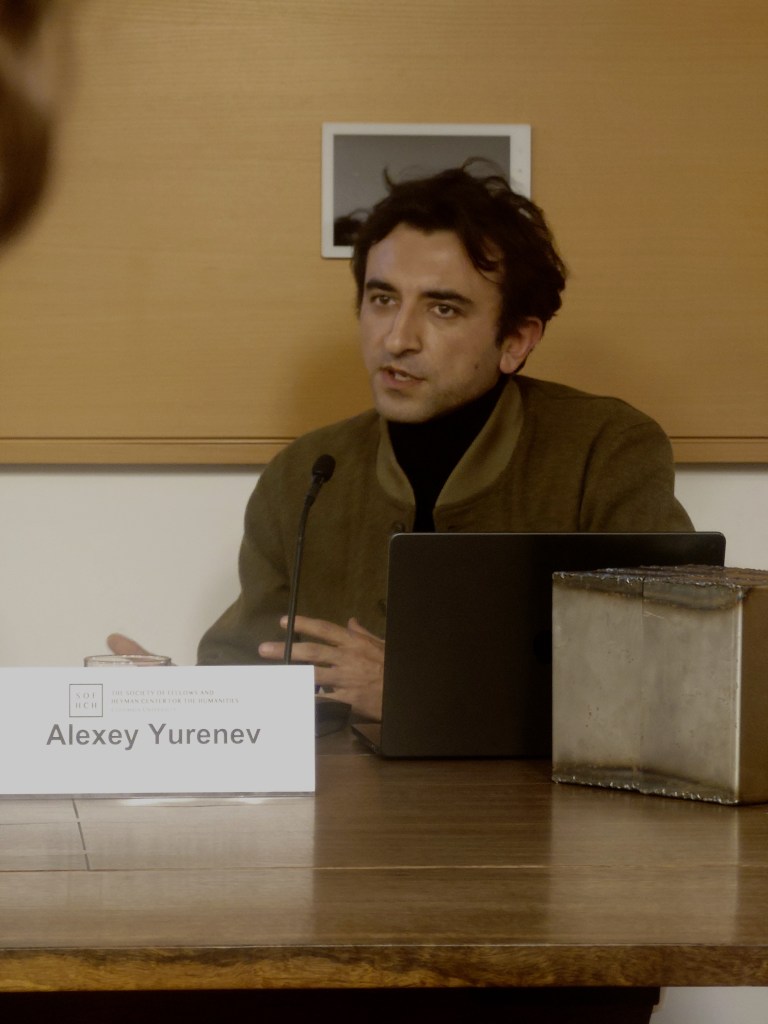
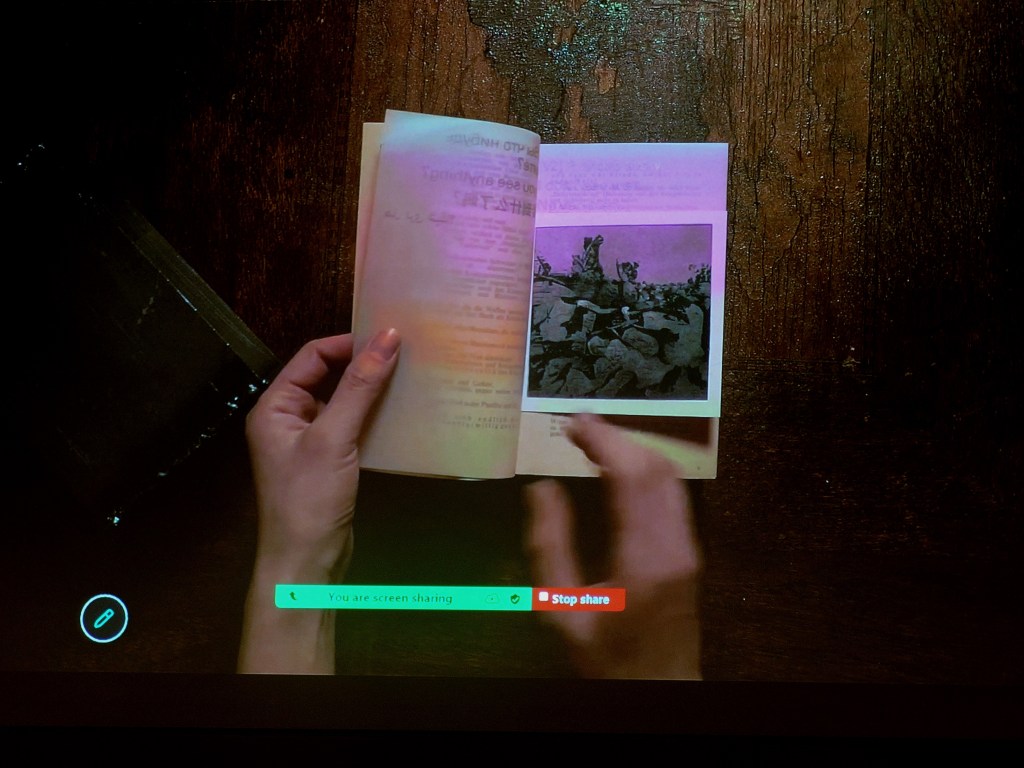
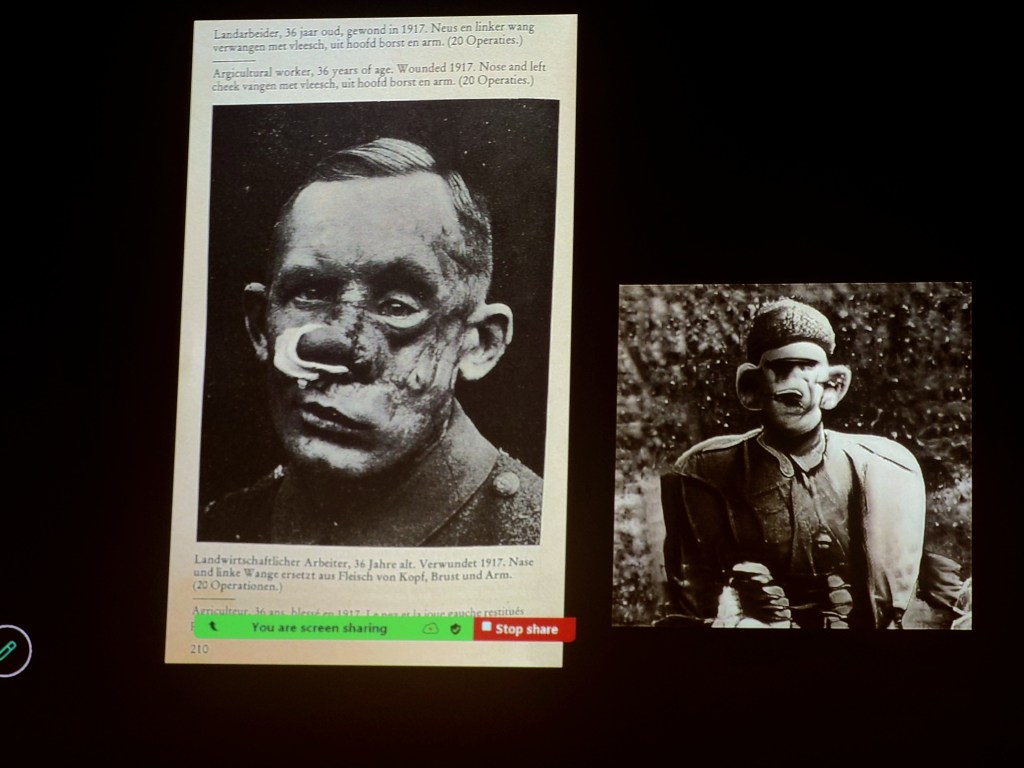
On the evening of February 17th at Columbia University, artist Alexey Yurenev presented his new book, Seeing Against Seeing, an artist’s book created in collaboration with Berlin’s Anti-Kriegs-Museum. The book places two unsettling bodies of imagery into dialogue: photographs from Ernst Friedrich’s seminal 1924 anti-war manifesto War Against War and AI-generated synthetic images by Alexey Yurenev using Generative Adversarial Networks (GAN). Together, they probe profound questions about memory, technology, and the AI vision of war scars.
Alexey Yurenev’s project begins with a deeply personal inquiry: “The origin of this project is called Silent Hero. An inquiry into my grandfather’s time in World War II that I know nothing about. This sacralized narrative was so abundant that it never provoked any questions. Before dying in 2009, he used to tell me, as his only grandson, that I was responsible for carrying his medals and memories. So, when he died, I received the medals, but not the memories. This predicament—medals without memories—became the emotional core and starting point of the entire project.”
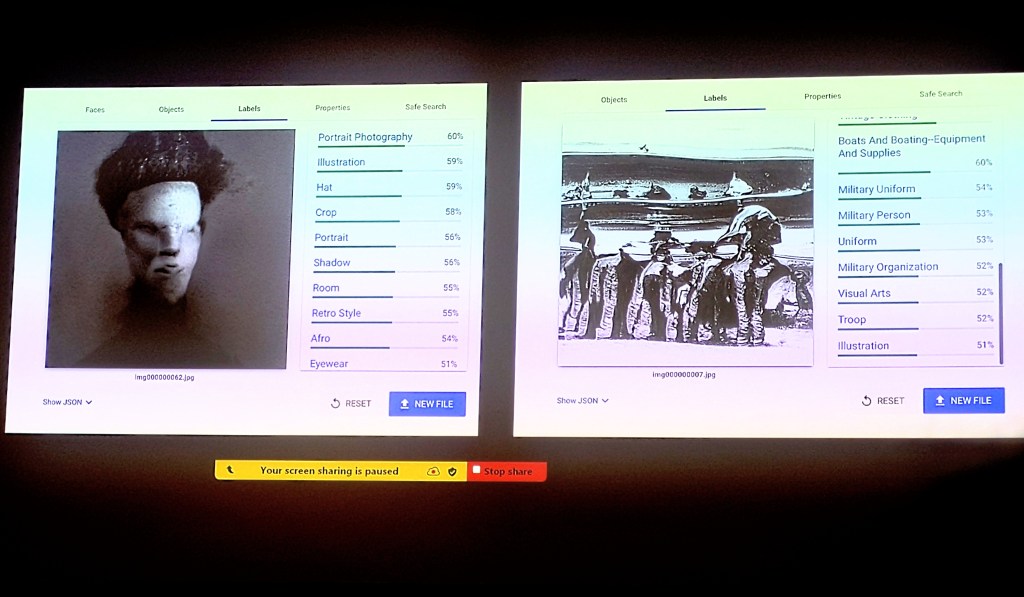
In searching for traces of his grandfather’s wartime experience, Alexey Yurenev confronted a double archival failure. The family archive only consists of about twelve to fourteen photographs from the time of the war and is largely under-informative. Meanwhile, the state archive suffered from the opposite problem of being staged and always slightly altered. It was in the gap between these two extremes that AI was introduced as a tool to fill in the blanks.
The book also encompasses a filmic dimension. In the documentary, Alexey Yurenev showed the AI-generated images to the last surviving WWII veterans living in Brighton Beach, New York, who were contemporaries of his grandfather. On the question of whether the veterans knew the images were AI-generated, Alexey Yurenev’s answer was yes: “I told all five veterans that this is AI-generated. And yet each one of them eventually became fully immersed, feeling as though they were looking at images from their youth and their war. One veteran initially seemed resistant but eventually pointed at something I thought was an abstract shape resembling a flag and said, “No, that is not a flag—that is an explosion.”
Alexey Yurenev’s book, as the title itself goes, projects a form of seeing against seeing by AI. What we see in these images is not the appearance of war but its reshuffled appearance. These images capture the certainty of suffering while revealing the impossibility of faithfully capturing war itself.
Visit Alexey Yurenev’s website here: https://www.yurenev.com/
 Expressive AI