(a.k.a. Ideas Before Tools)
No study of technology is complete without a history of ideas, experiments, and age-old human desires.
by Marina Hassapopoulou
Many of the cultural, ethical, and creative questions now framed as novel AI issues actually have much deeper roots than mainstream AI discourse acknowledges. Without even going as far back as pre-computational generative and other experimental traditions (genealogies are too nuanced to tackle in a single post) a look at some of the first creative encounters with generative systems opens up other possibilities that should inform the current trajectories and futures of AI. Without knowledge of the diverse histories and traditions of AI, especially as they intersect with human desires, we cannot look towards diverse paths for the future.
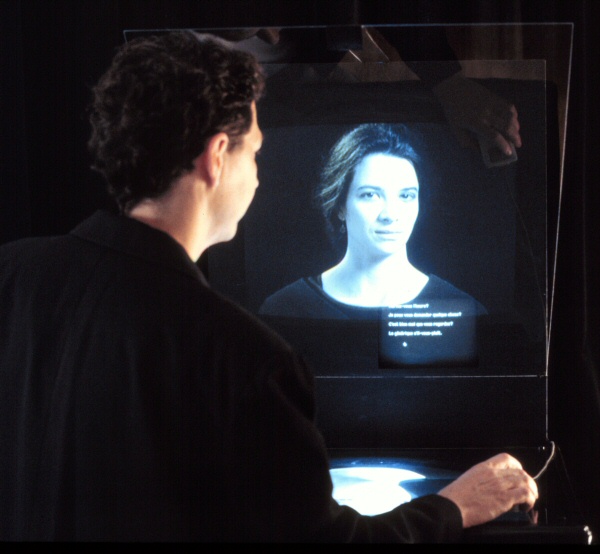

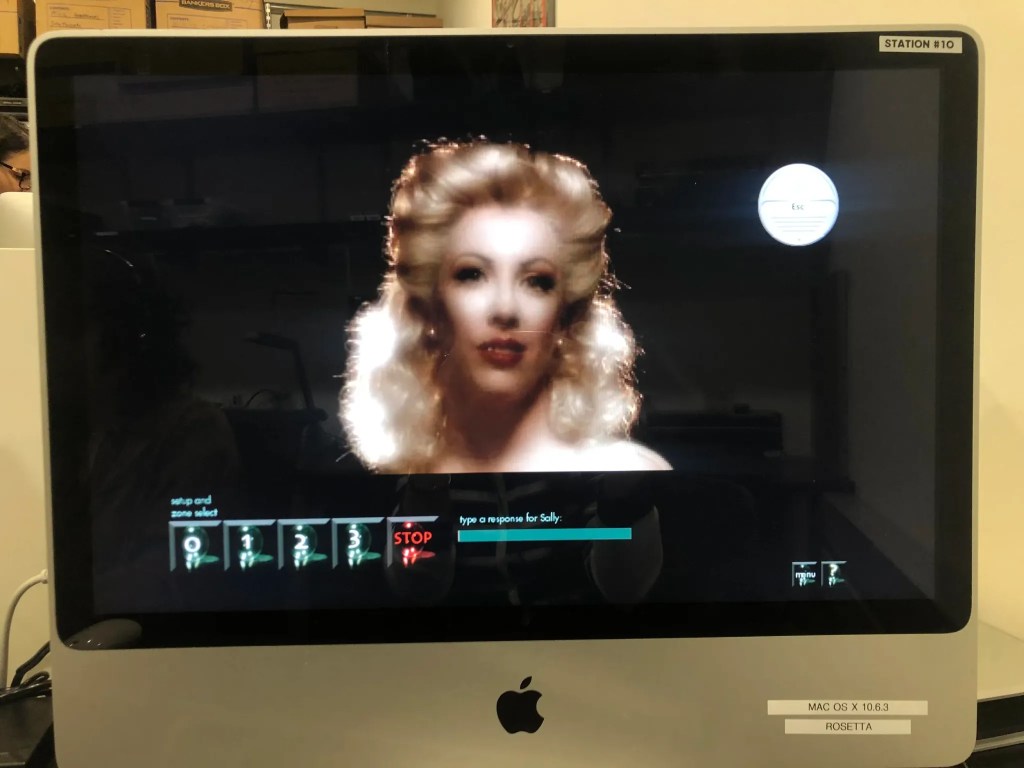
Long before the AI that is now commonplace, creative thinkers and experimental technologists were already exploring questions of machine-assisted creativity, procedural authorship, co-creation, and synthetic intelligence. It is in these experimental spaces that room for intervention, subversion, reconfiguration, collaboration, and alternative uses is carved out. In most of these cases, the ideas and human desires were there long before the tools capable of materializing them. Or, as in the case of early computational creativity, emerging technologies ignited curiosity for new modes of human-machine co-creation and cross-disciplinary collaboration between artists, engineers, and scientists.
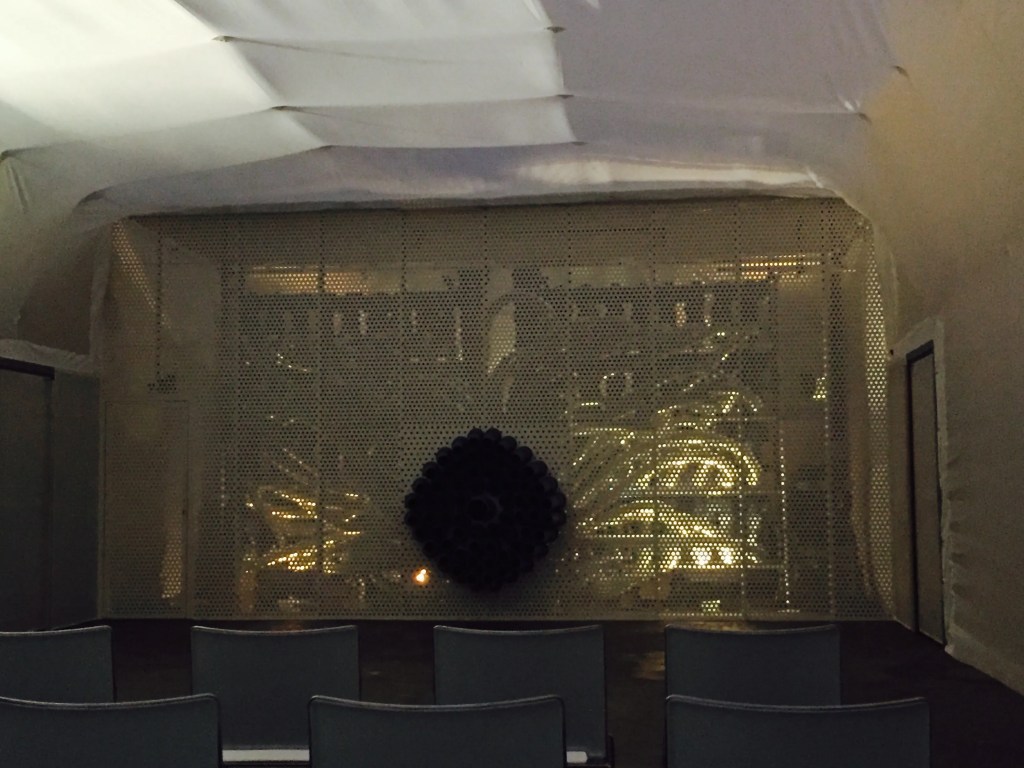

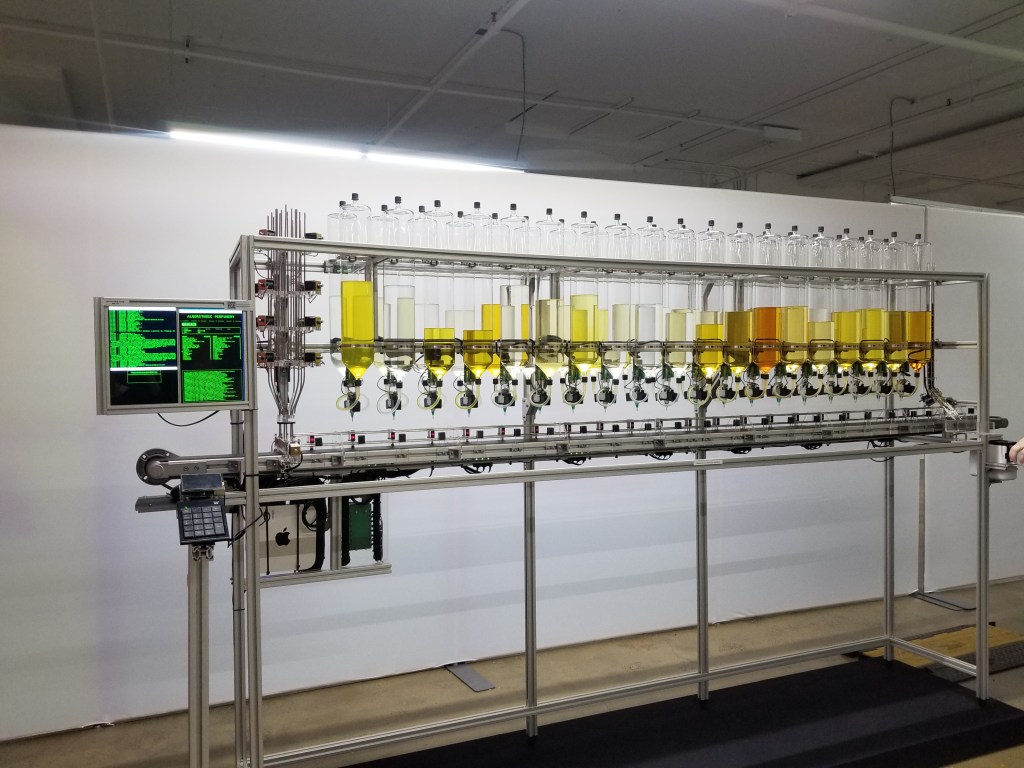
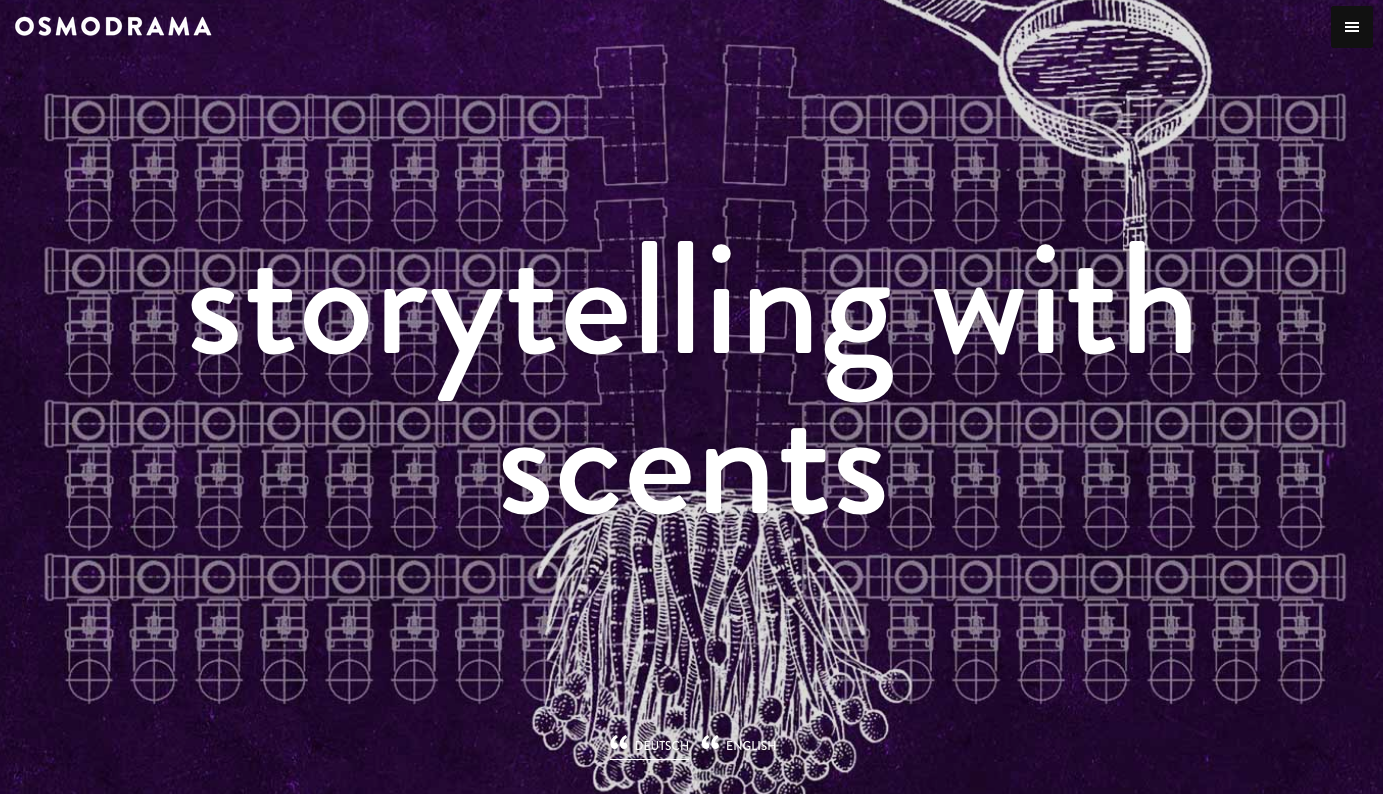
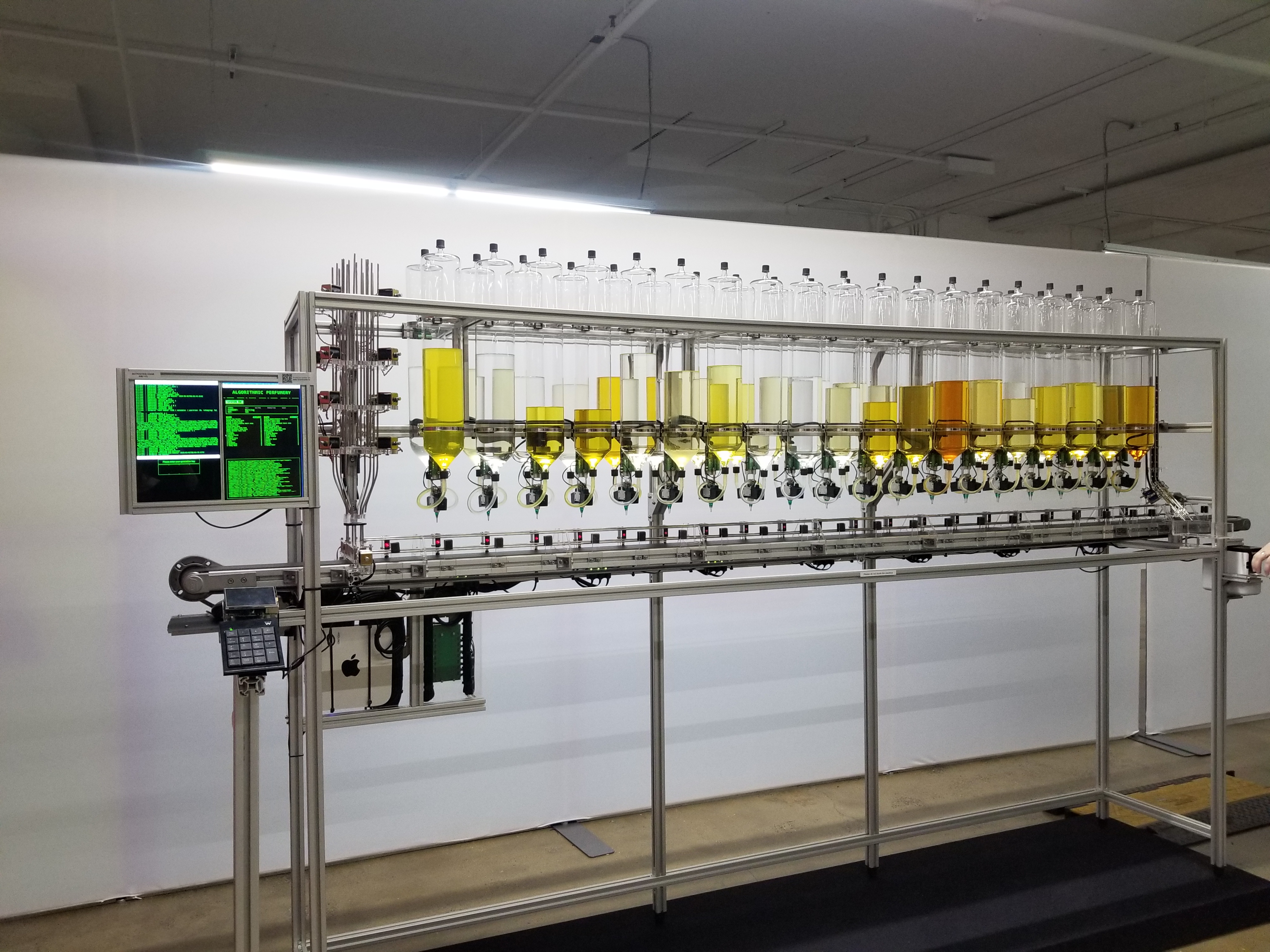
Do you smell that? Marginalized senses like smell and taste remind us that Western sensory hierarchies still exist in contemporary interface and technology design — but the fact that they cannot be as easily technically simulated opens up more space for artistic interventions.
While there might be familiar AI “origin” stories that began in Silicon Valley and the military-industrial complex, I’m much more interested in the intellectual and conceptual genealogies of AI that began in artist studios, experimental film laboratories, cybernetic exhibitions, cross-sector collaborations, media archaeology projects, and other inquiry-driven exploratory hubs. What emerges from these prehistories is not simply a series of technical precursors; more importantly, “prehistoric AI” reveals other possibilities of thinking about creativity and technology itself.* And in the sandbox of these “ancient AI” raw materials, the questions being asked and their exploratory dimensions were often more nuanced because there were no hardwired rules or polarized ideologies. A media archeological exploration reveals much more layered and ambivalent histories and traditions than monolithic technocratically influenced narratives rehashed in recent AI debates and polarized anti- or pro-AI silos that are certainly not paving the way for productive and impactful discussions beyond the good/evil binaries.

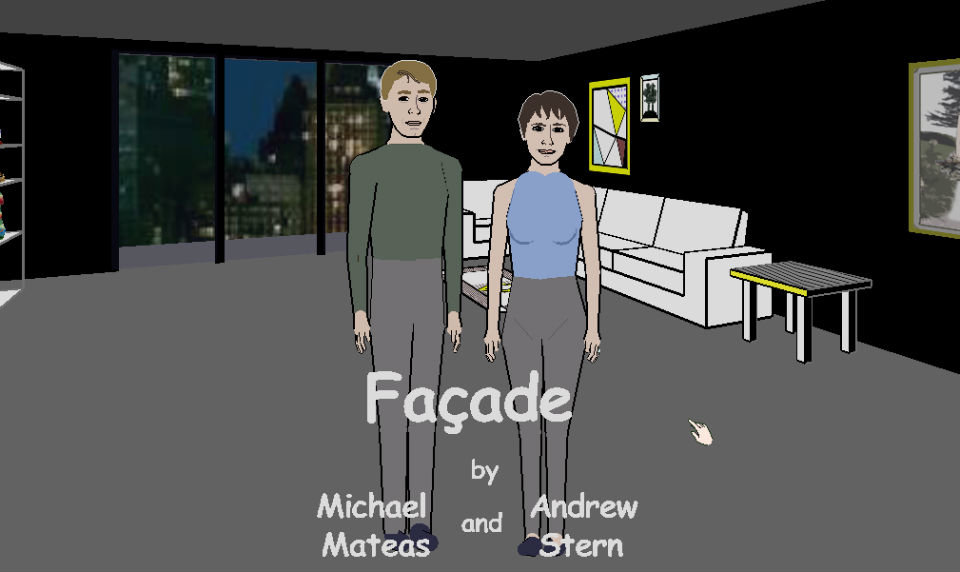
Borrowing loosely from Christopher Funkhouser’s turn-of-the-century exploration into “prehistoric digital poetry” (an archival-historical venture into nearly obsolete early digital poetry that is too often mistakenly forgotten in new digital studies literature “canons”), I use the term prehistoric for non-historicized or lesser-known areas of AI innovation that go beyond scientifically-oriented narratives of technology and myths of technological evolution. Prehistoric AI refers to a time in which ideas often preceded tools — or, as in the case of computational art, emerging tools ignited curiosity for new modes of human-machine co-creation. Michael Mateas, the co-creator with Andrew Stern of one of the first AI-driven (including natural language processing) interactive storytelling video games, Façade (2005), has used the term “expressive AI” since at least the early 2000s, to advocate for co-creation that combines “the thought experiments of the AI researcher with the conceptual and aesthetic experiments of the artist” in a “knowing-by-making” process.[i] This “knowing-by-making” approach has the potential to stimulate new research questions, provide a different perspective on old questions, and enable new forms of artistic expression that could also lead to scientific and technological breakthroughs. Although expressive AI can now be directly applicable to co-creating with generative systems, the way Mateas initially conceived the concept was more epistemological and exploratory, and less ontologically tool- and platform-determined.
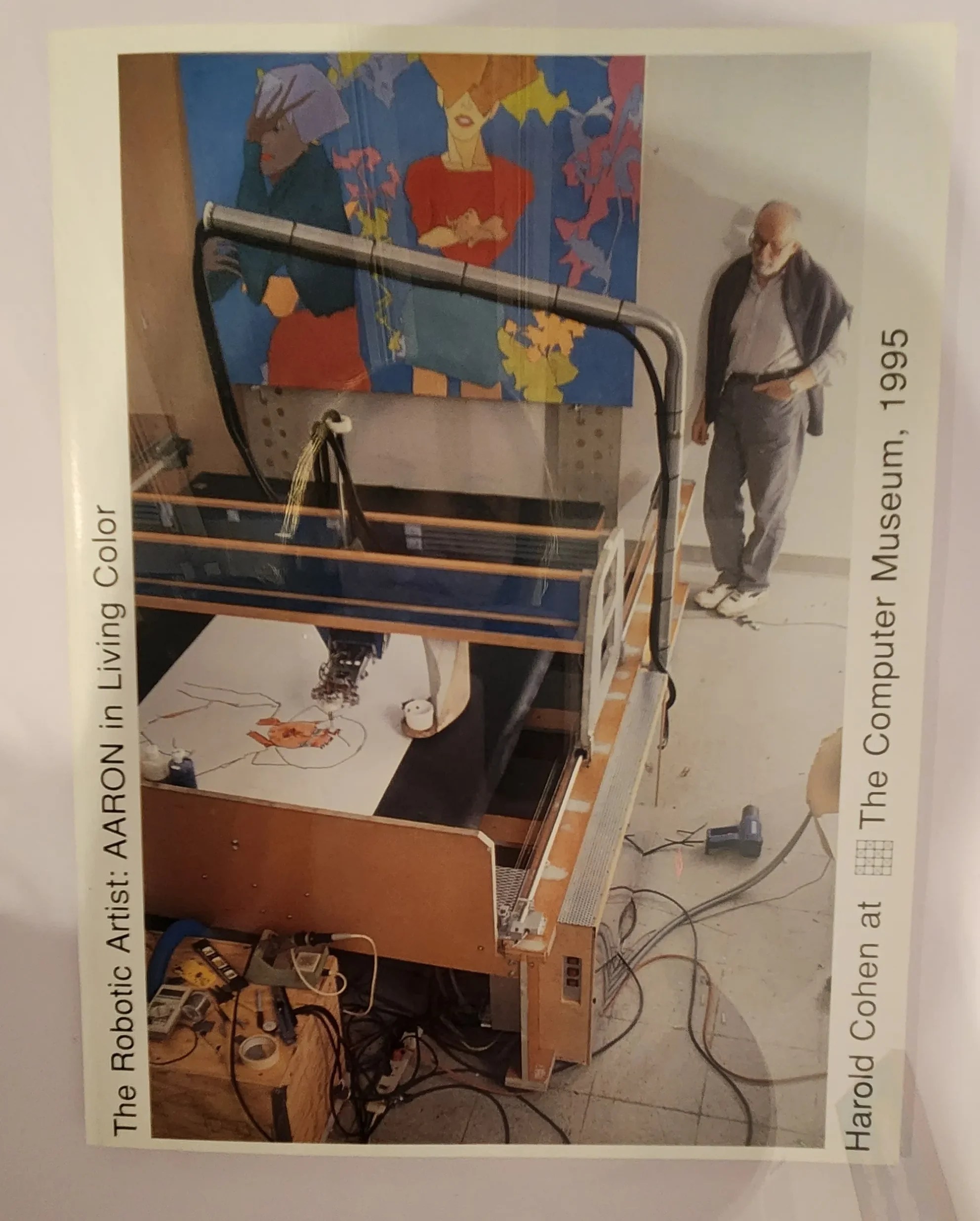

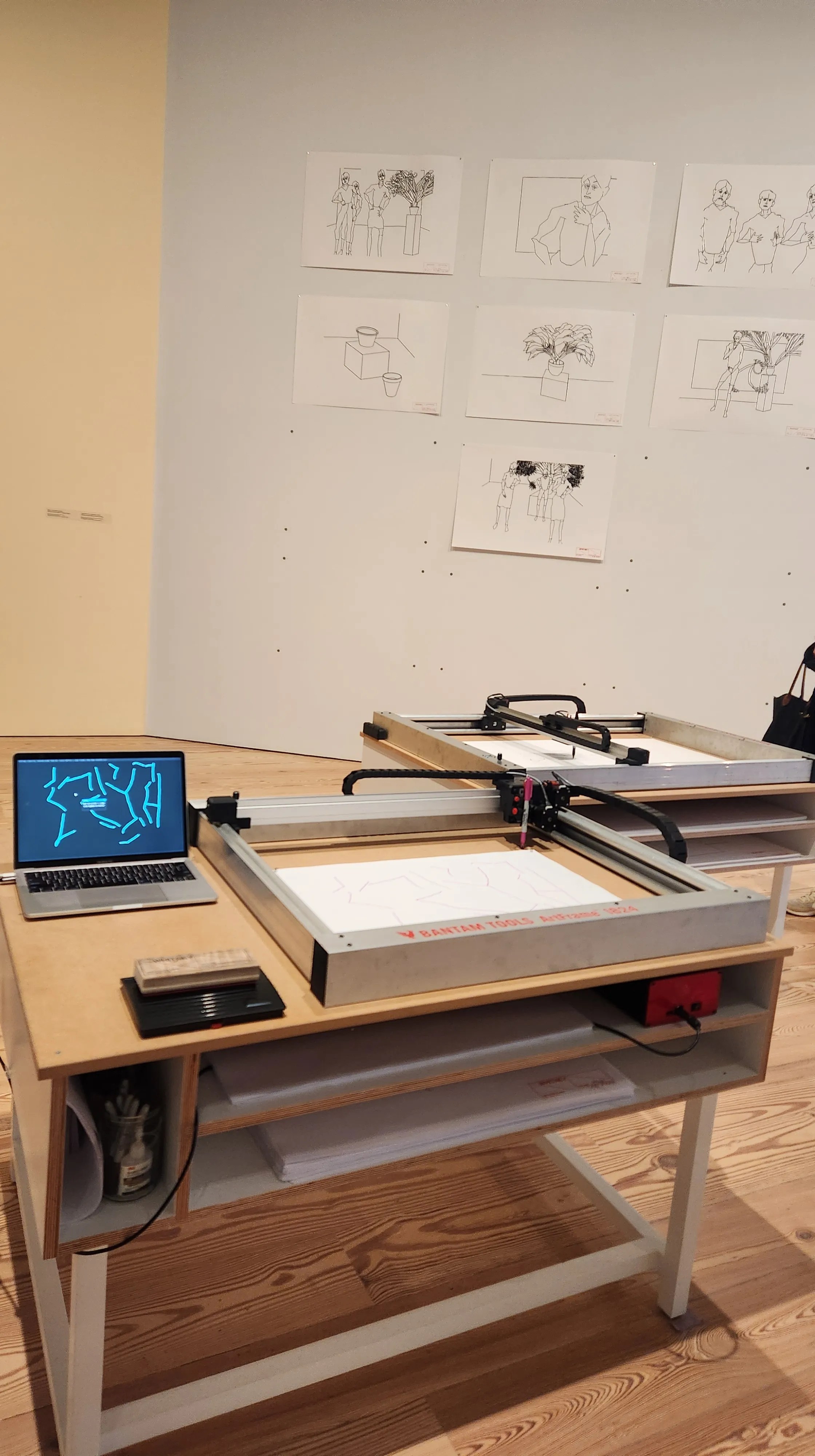
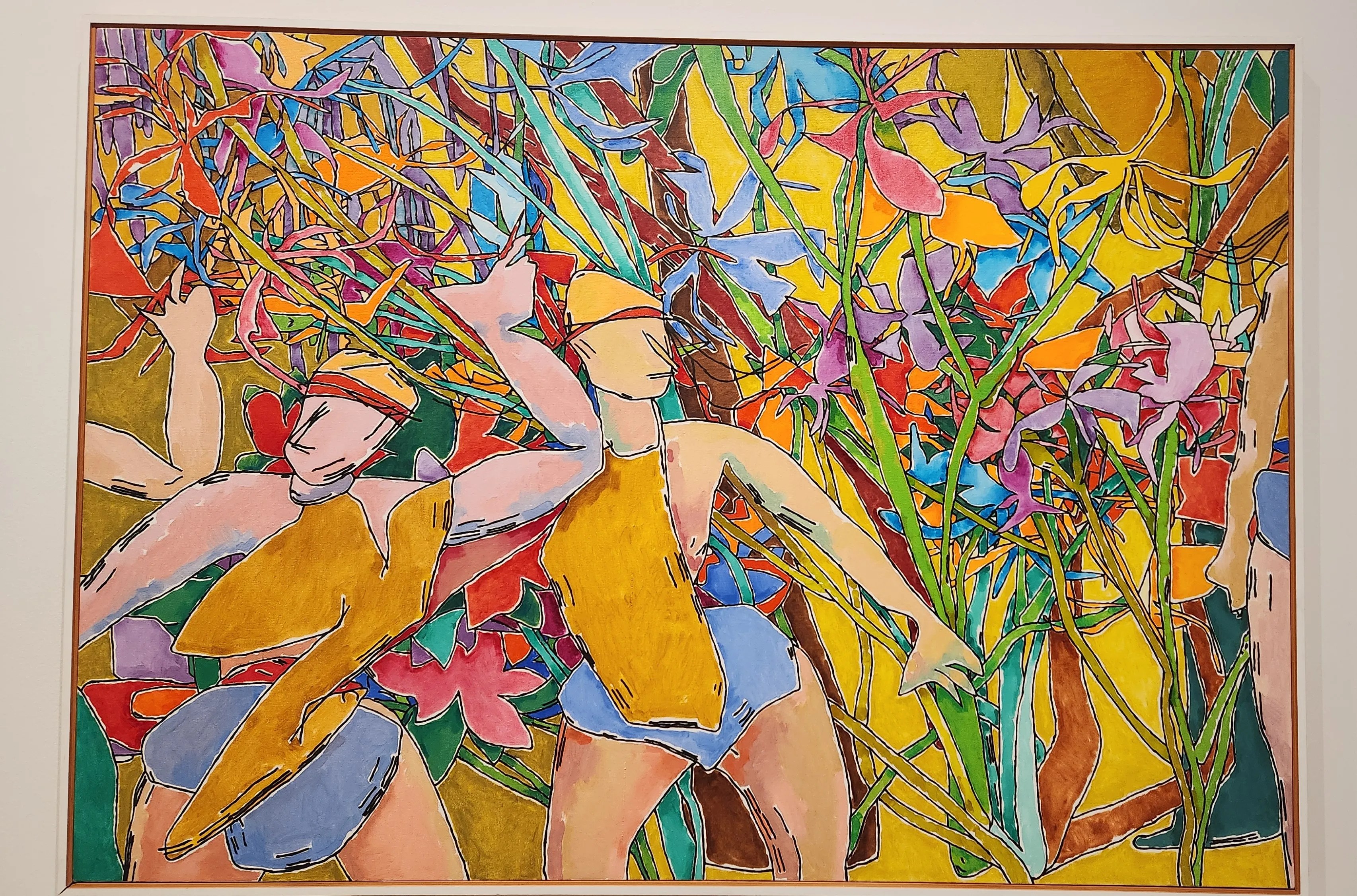
From the Harold Cohen: AARON, Whitney museum exhibition (curated by Christiane Paul) website & my exhibition report
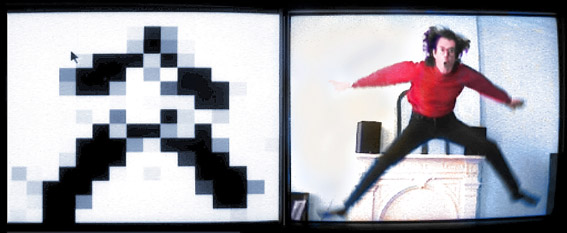
As I wrote in Interactive Cinema: The Ambiguous Ethics of Media Participation, the privileging of encounter over any specific ideology becomes the guiding principle in exploratory interactive and multimedia experiments (including early AI art), particularly during the earlier phases of digital art. In Interactive Cinema, one of the many approaches to creative and epistemologically-grounded technology included is Rokeby’s, as it pertains for instance to one of the first cases of sonic interactive art to use complex computer vision, Very Nervous System, 1986-1990, whereby Rokeby was more interested in “interaction as encounter [rather] than control” and in “creating a complex and resonant relationship between the interactor and the system.” [ii] Rokeby’s approach should be one of the guiding principles to today’s AI design and to technologically-mediated experiences in general:
Because the computer is purely logical, the language of interaction should strive to be intuitive. Because the computer removes you from your body, the body should be strongly engaged. Because the computer’s activity takes place on the tiny playing fields of integrated circuits, the encounter with the computer should take place in human-scaled physical space. Because the computer is objective and disinterested, the experience should be intimate. [iii]
It is particularly during the earlier phases of digital and interactive art that emerging interactive tools were a sandbox for artists to reconfigure ludically our sensory relationships with technology and with ourselves, and to ask important questions that are still at the core of every emerging technology and communication system. Below is just the tip of the iceberg of a compilation of multisensory and multimodal “prehistoric AI” that you can explore more on this site and more broadly. What I particularly appreciate about these early experiments is their unique quirks and glitches that made then even more impressionable. In an era that values speed, acceleration, and efficiency, revisiting “ancient” AI reminds us that there are much more possibilities once we step out of a techno-deterministic mindset.
ExpressiveAI.net’s historiographical and media archaeological aspects thus function as a historical imprint of the generative and algorithmic work that is now part of “ancient AI,” and a nod back to an era where AI was largely tool/platform agnostic or transcendent, and/or where artists were creating or appropriating tools for their own particular needs, long before the current branding and corporatization of generative tools and content. More to follow…
In the meantime, visit the Interact! page to interact with early AI works via emulators, recordings, and reconstructions. Visit the Our First Symposium page for ExpressiveAI.net’s 2021 online symposium, and the Featured Artists page to learn more about our first 3 artists, Toni Dove, Paul Vanouse, and Lynn Hershman Leeson. For more on interactive media archaeology, visit: Interactive Media Exhibition, the Interactive Media Archive, and InterArchive.net. Other sections on ExpressiveAI.net contain even more areas to explore.




References above and image credits if not my own photos:
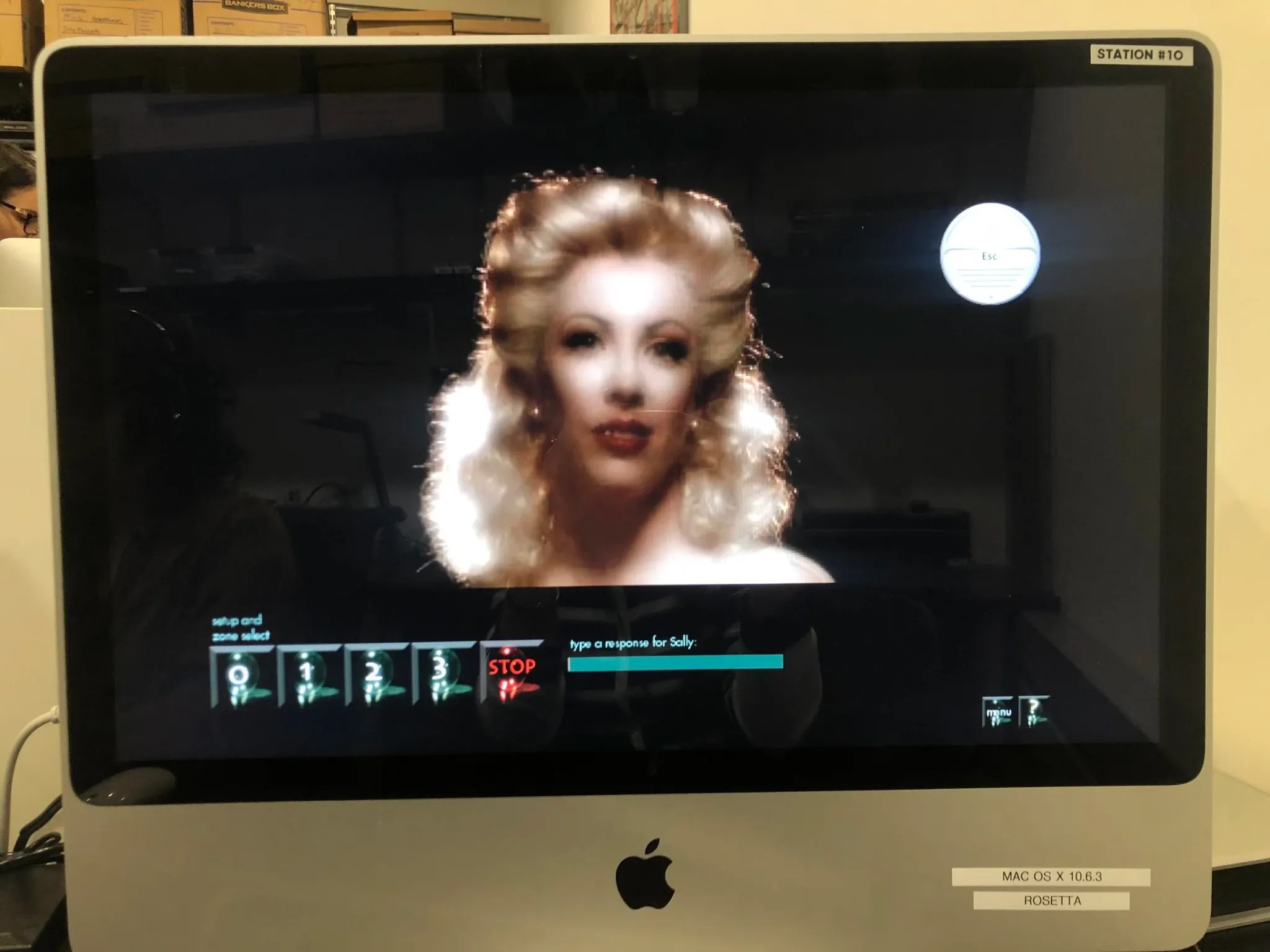
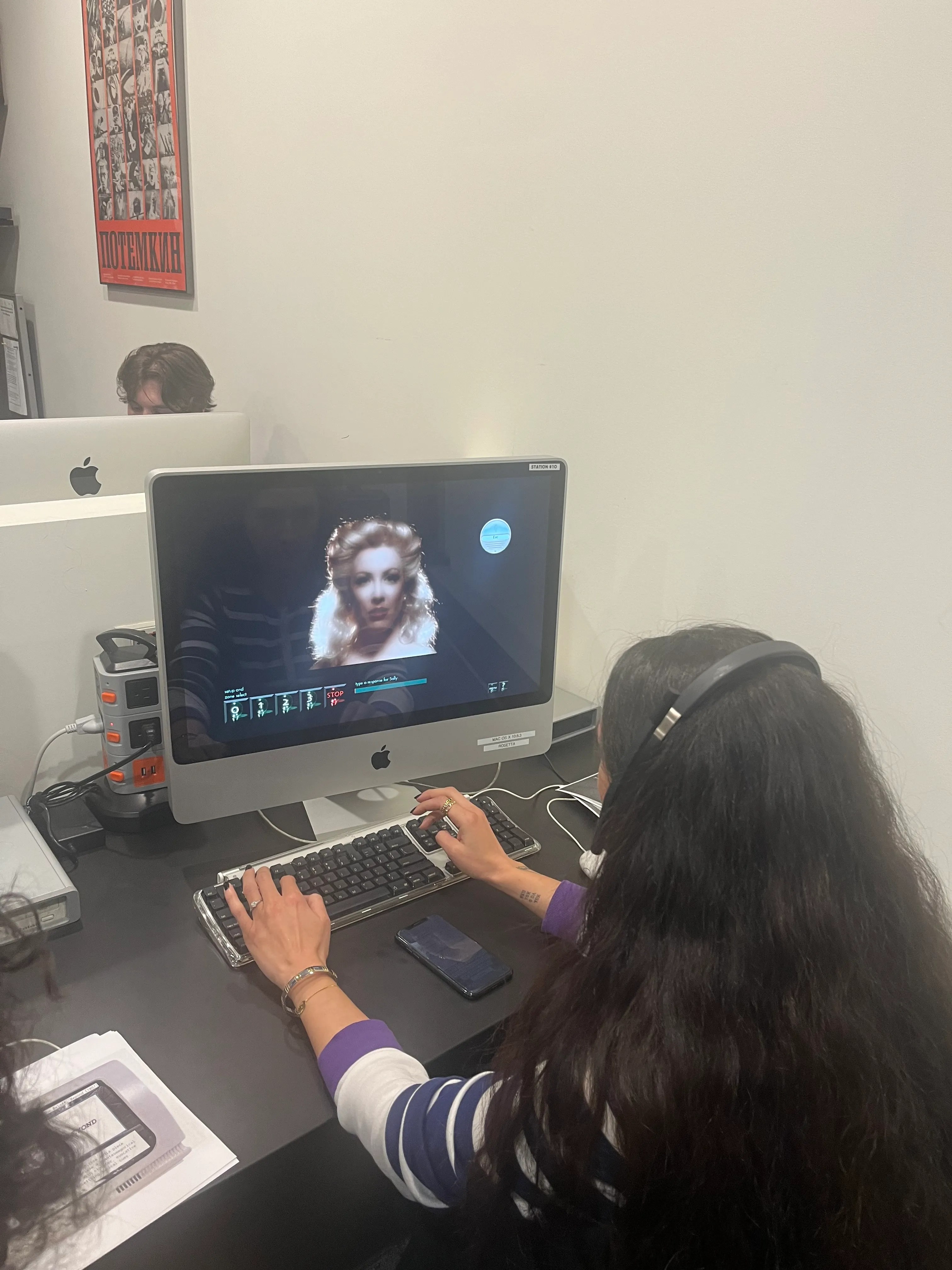
- Toni Dove’s website for Sally, or the Bubble Burst and Interactive Media Exhibition Event Report
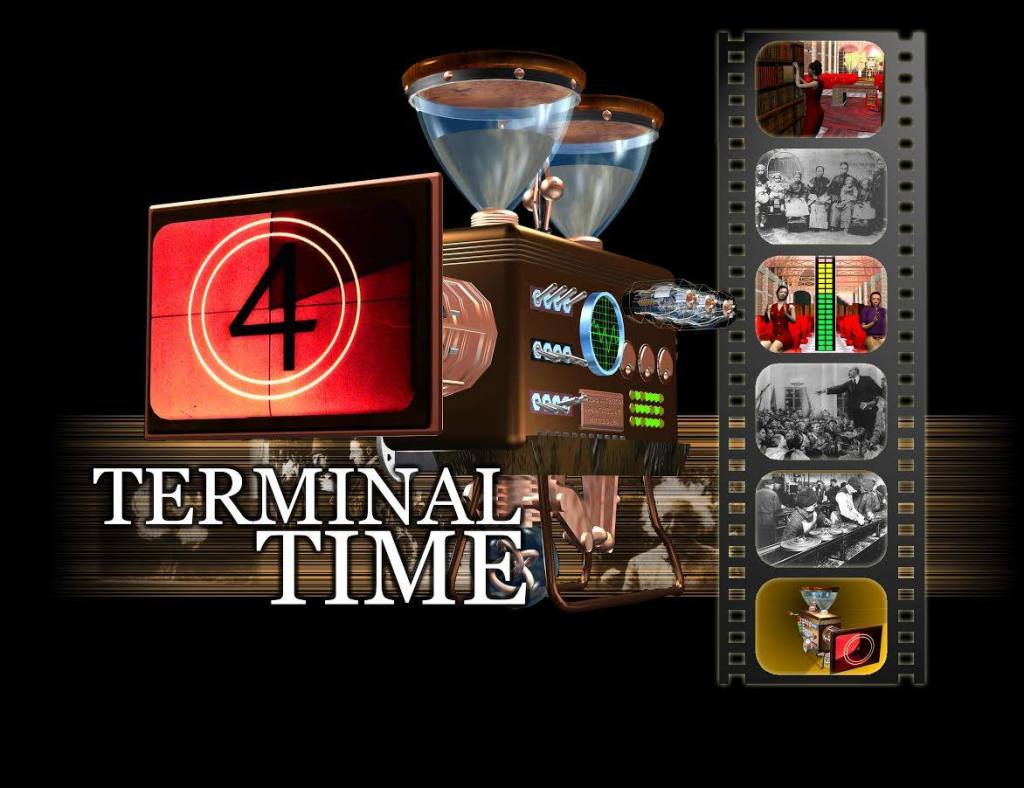
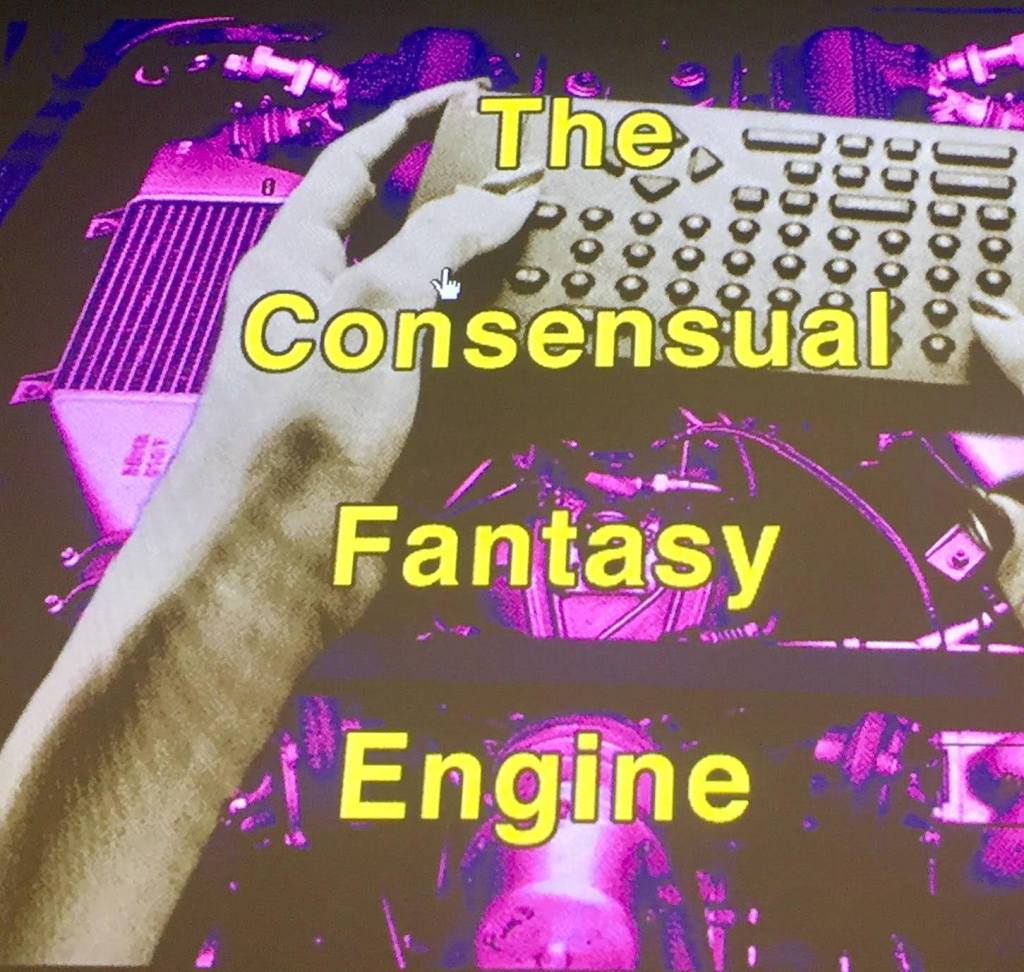
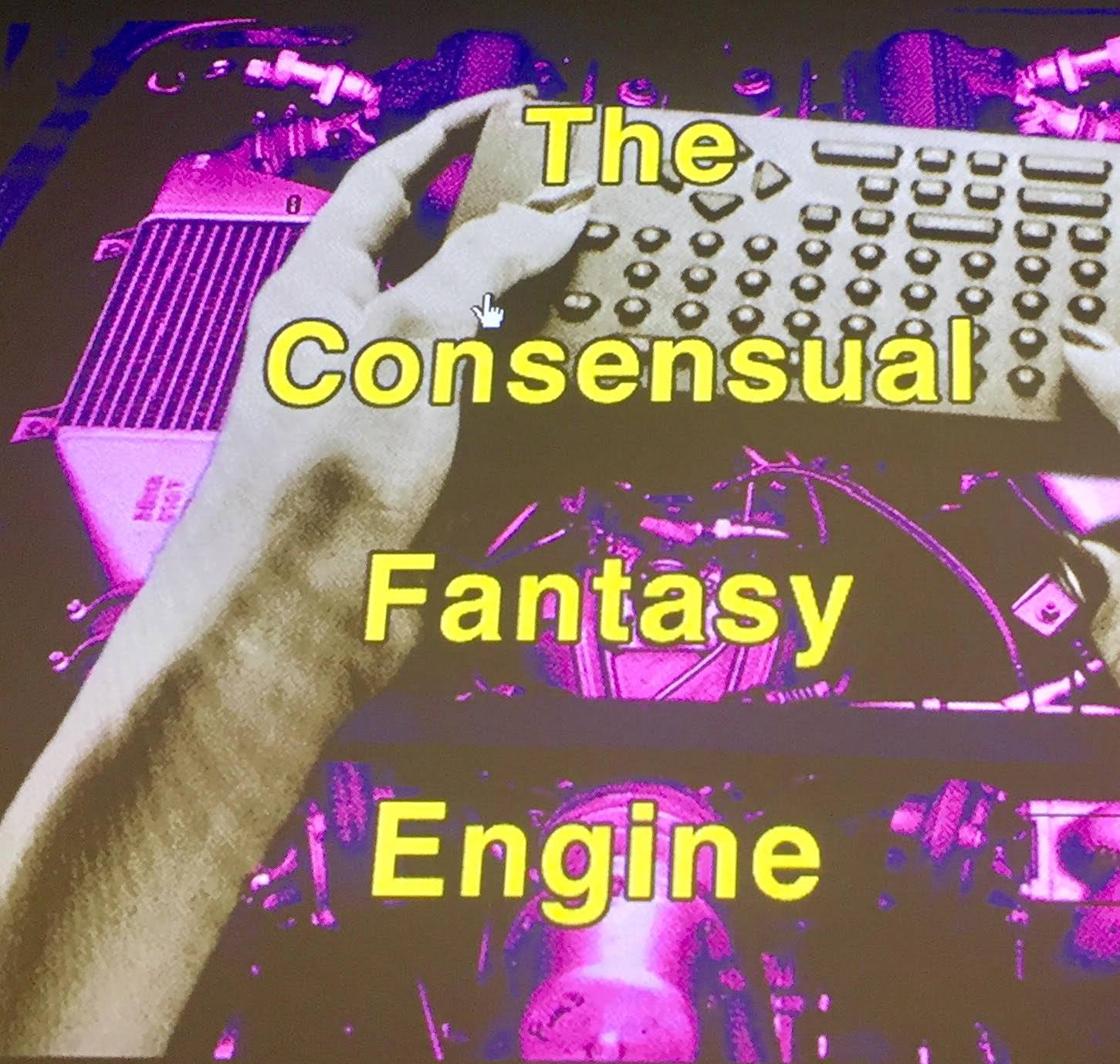
- Paul Vanouse’s website for the collaborative i-docs Terminal Time and The Consensual Fantasy Engine
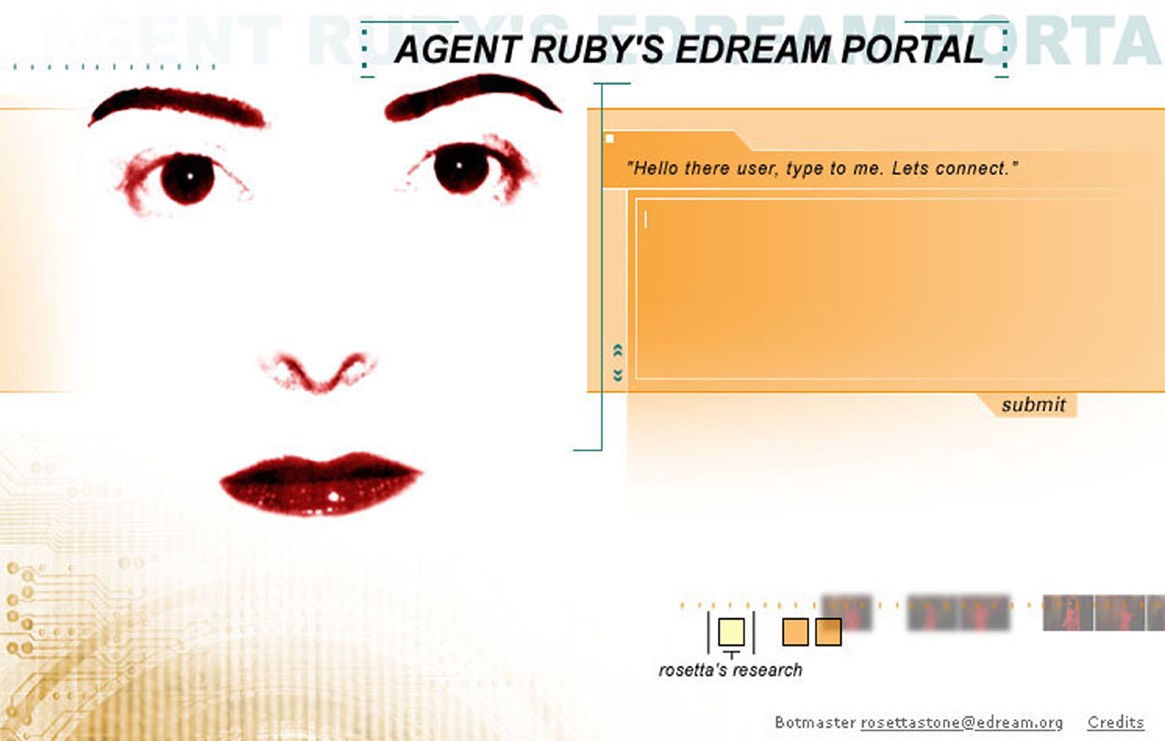
- Lynn Hershman’s website for DiNA and Agent Ruby & SFMOMA website
- Michael Mateas and Andrew Stern’s Façade
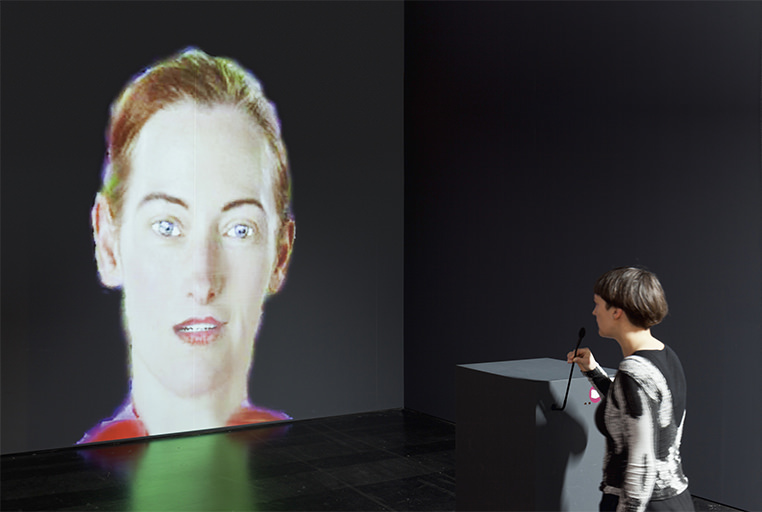
- Luc Courchesne’s Portrait One (Portrait No1) – Fondation Langlois
- Osmodrama website
- Frederik Duernick’s Algorithmic Perfumery (installation/ festival version)
- Harold Cohen: AARON, Whitney museum exhibition website & my report
- Cansu Waldron, Digital Arts Blog
- Interactive Media Archive – Media Archaeology posts
*Until writing this post, I did not know that “prehistoric AI” is commonly used for AI used to visualize the past, rather than inform it (as I’m using it). A quick search reveals that “prehistoric AI” most commonly involves reimagining ancient history through AI…. and lots, and lots of AI-generated dinosaurs and paleolithic creatures.
[i] Michael Mateas, “Interactive Drama, Art and Artificial Intelligence,” (PhD diss., Carnegie Mellon University, 2002), ii.
[ii] David Rokeby, “Transforming Mirrors: Subjectivity and Control in Interactive Media,” in Critical Issues in Electronic Media, ed. Simon Penny (Albany: SUNY Press, 1995), 148.
[iii] David Rokeby, “Interactive Installations: Very Nervous System (1986-1990),” davidrokeby.com, last modified November 24, 2010, http://www.davidrokeby.com/vns.html.
 Expressive AI